The White House has provoked significant controversy by deleting a social media post from Vice President JD Vance that explicitly referred to the Armenian genocide. This action has ignited anger among members of the Armenian diaspora and opposition politicians across the United States, who view it as a retreat from historical recognition.
Post Deleted Amid Vance's Visit to Armenia
The now-removed post was published on Vance's official Twitter/X account during his two-day trip to Armenia. It stated that he was visiting a memorial to honour "the victims of the Armenian genocide," marking the first instance the Trump administration has used the term to describe the massacres of up to 1.5 million Armenians by Ottoman troops over a century ago. The visit included Vance and his wife, Usha Vance, paying respects at the memorial in Yerevan.
Administration Blames Staff Error
An aide to Vance later informed reporters that the message was posted in error by staff members who were not travelling with the vice president. This explanation follows a similar incident last week, where President Donald Trump attributed a racist video depicting Barack and Michelle Obama as apes to a staffer's mistake, refusing to apologise for the content.

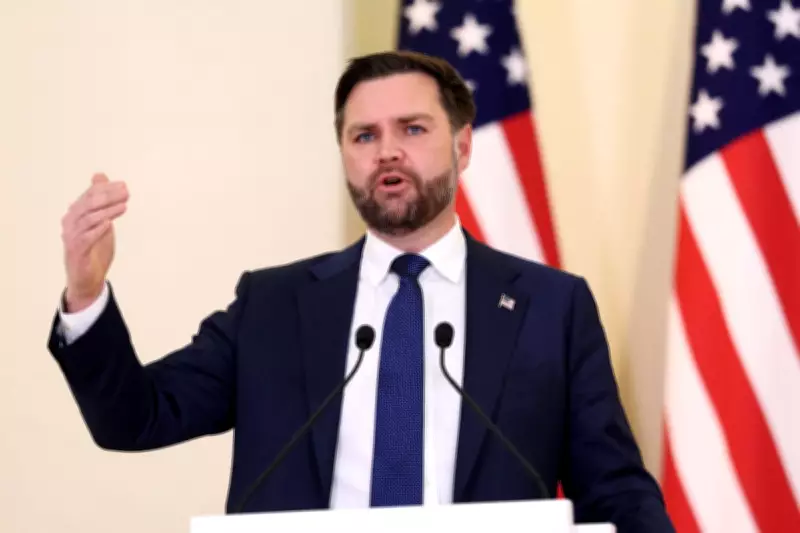
During a joint press conference with Armenia's prime minister on Monday, Vance avoided any mention of the word genocide. Instead, he described the atrocities as "a very terrible thing that happened a little over 100 years ago," emphasising that the visit was conducted at the behest of the Armenian government as a "sign of respect" for the victims and local authorities.
Historical Context and US Policy Shifts
For decades, the US government refrained from using the term genocide to describe these historical events, largely due to concerns about alienating Turkey, a key regional ally and NATO member. Turkey has long contested the death toll and denied that the killings were systematic.
This stance was reversed by President Joe Biden in 2021, when he became the first US president to formally recognise the Armenian genocide. His statement highlighted the 1.5 million Armenians who were "deported, massacred, or marched to their deaths in a campaign of extermination," reportedly leading to a tense phone call with Turkish President Recep Tayyip Erdoğan.
The Trump administration has since reverted to the previous approach, with Trump avoiding the term in his statement marking the April day of remembrance last year.
Outrage from Advocacy Groups and Politicians
The deletion of Vance's post has sparked fierce criticism. Alex Galitsky, policy director for the Armenian National Committee of America, labelled Vance a "coward" on social media, calling the move an "insult to the memory" of victims and "an affront" to the community. Aram Hamparian, director of the same organisation, suggested pressure from Ankara was behind the incident, criticising Vance for displaying "weakness" despite his proclaimed solidarity with Christian persecution victims.
The Armenian Assembly of America demanded an explanation, with co-chairs Talin Yacoubian and Oscar Tatosian stating, "We deserve better from our elected officials and call for a public explanation for the apparent flip-flop."
Opposition lawmakers also expressed scorn. Congressman Jim McGovern described the deletion as "disgusting and pathetic," noting on social media that the Armenian genocide is a historical fact and accusing the administration of prioritising relationships with "authoritarian buddies" over truth.
Broader Implications and Reactions
This incident underscores ongoing tensions in US foreign policy regarding historical recognition and diplomatic relations. The swift deletion of the post highlights the administration's cautious stance towards Turkey, while the backlash reflects growing advocacy for genocide acknowledgment. As debates continue, the episode raises questions about consistency in US leadership and its commitment to human rights narratives on the global stage.