The Trump administration has delivered a blunt warning to Peru, expressing grave concerns that the South American nation could be surrendering its sovereignty to China. This stark message follows a Peruvian court ruling that restricts local regulatory oversight of a Chinese-built mega port, highlighting escalating tensions in the region.
Infrastructure Control Sparks Sovereignty Fears
On Wednesday, the U.S. State Department's Bureau of Western Hemisphere Affairs publicly voiced alarm over reports indicating Peru might be powerless to oversee the Chancay port, one of its largest maritime facilities. The port, located north of Lima, is under the jurisdiction of what U.S. officials termed "predatory Chinese owners." The bureau emphasized strong support for Peru's sovereign right to monitor critical infrastructure within its own territory, framing the situation as a cautionary tale for the global community.
A Strategic Port at the Heart of Dispute
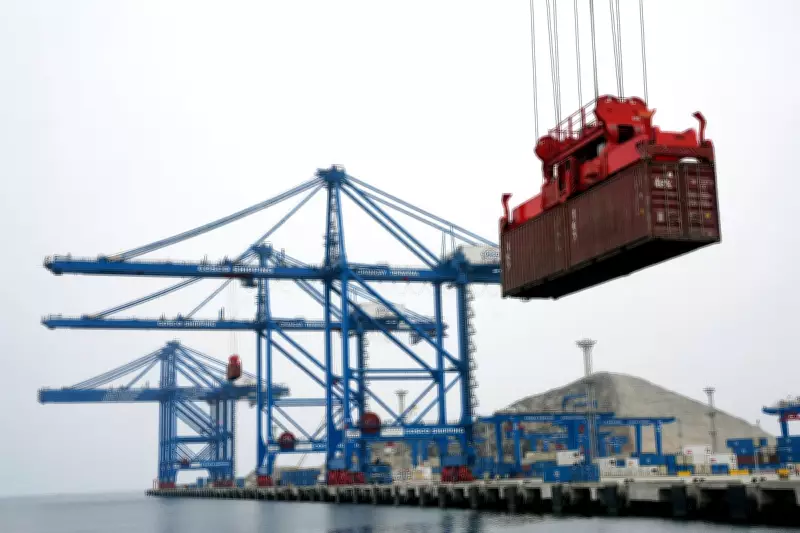
The $1.3 billion deepwater port in Chancay has become a symbolic flashpoint in the geopolitical rivalry between Washington and Beijing. As part of China's expansive Belt and Road initiative, this infrastructure project represents Beijing's deepening foothold in Latin America through substantial loans and trade partnerships. Chancay, capable of accommodating some of the world's largest cargo ships, serves as a crucial link between Asia and South America, with China having been Peru's primary trading partner for over a decade.

China's state-owned Cosco, the majority shareholder in the port, has firmly rejected the U.S. allegations. In a statement to The Associated Press, Cosco asserted that the court ruling does not involve sovereignty issues and that the port remains fully under Peruvian jurisdiction, subject to all local regulations. The company highlighted that numerous Peruvian authorities, including police, environmental regulators, and customs officials, continue to monitor port activities.
Regulatory Oversight in Question
The controversy stems from a January 29 lower court ruling that orders Peruvian authorities to refrain from exercising regulatory, supervisory, oversight, and sanction powers over the Chancay port. This decision has raised significant concerns, as it exempts Cosco Shipping from the oversight of Ositran, the national regulator responsible for all other major ports in Peru.
Verónica Zambrano, president of Ositran, has announced plans to appeal the ruling, arguing that it creates an unfair exemption. She emphasized that the Chancay Port, despite being privately owned, occupies 180 hectares of Peruvian territory and should be subject to government monitoring to ensure compliance with local user protection standards. Zambrano warned that Cosco Shipping would become the only public service provider in Peru operating without regulatory supervision if the ruling stands.
Broader Geopolitical Implications
This dispute occurs against the backdrop of the Trump administration's efforts to assert dominance in the Western Hemisphere, where China has steadily built influence through massive infrastructure investments and trade relationships. The U.S. warning serves as a strategic move to counter Beijing's expanding global footprint, particularly through initiatives like the Belt and Road program, which finances ports, airports, and highways worldwide.
Peru's Foreign Ministry has declined to comment on the matter, while China's Embassy in Peru did not respond to requests for comment. The silence from both governments underscores the delicate diplomatic balancing act Peru faces as it navigates relationships with two global superpowers.
The Chancay port controversy highlights the complex interplay between economic development and national sovereignty in an era of increasing Chinese investment across Latin America. As regional nations weigh the benefits of foreign infrastructure funding against potential compromises to their autonomy, this case may set important precedents for future engagements with international partners.