US Threatens Offensive Military Action in Latin America Over Gang Crisis
Defense Secretary Pete Hegseth has delivered a forceful ultimatum to more than a dozen Latin American nations, warning that the United States is prepared to launch offensive operations if local governments fail to aggressively confront drug cartels and criminal gangs. The stark declaration underscores the Trump administration's growing impatience with what it perceives as inadequate efforts to combat organisations that directly threaten US national security and border integrity.
Hegseth Issues Direct Warning to Regional Governments
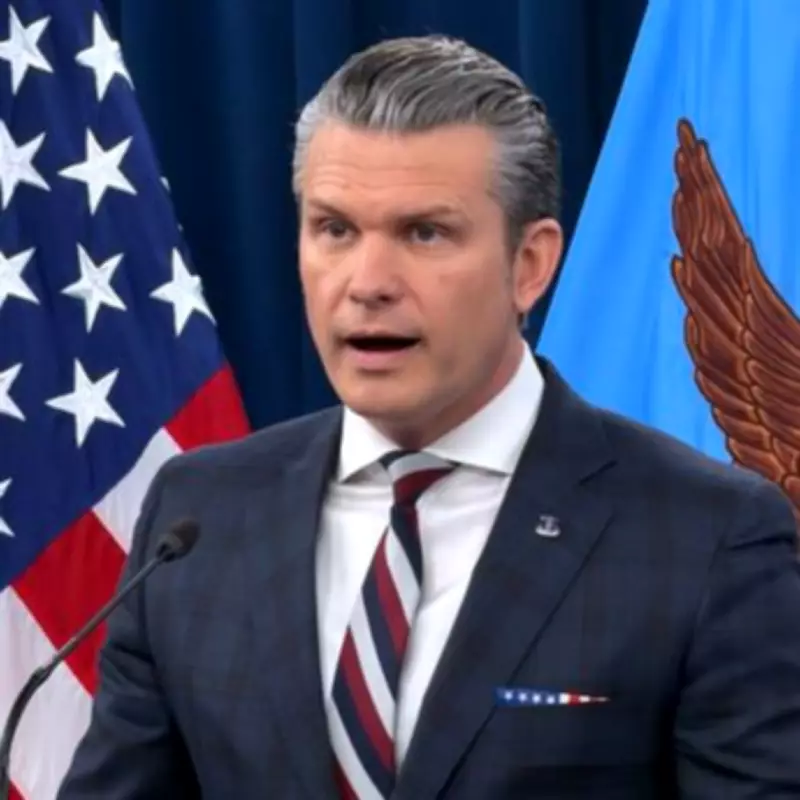
Speaking on Thursday, Secretary Hegseth emphasised that the US government would not hesitate to intervene directly if Latin American authorities continue to demonstrate insufficient resolve against powerful criminal networks. "We're prepared to go on the offense," Hegseth stated unequivocally, highlighting the administration's readiness to take unilateral action. This represents a significant escalation in rhetoric, positioning the US as willing to bypass diplomatic channels and assume a more confrontational military posture in the region.
Border Security and National Threats Cited as Primary Concerns
The Defense Secretary explicitly linked the activities of Latin American gangs to immediate dangers facing the United States, particularly emphasising border security vulnerabilities. Hegseth argued that these criminal organisations not only destabilise their home countries but also facilitate cross-border threats that compromise American safety. The warning suggests that the administration views the situation as sufficiently dire to warrant potential offensive measures, moving beyond traditional support and cooperation frameworks.

Administration Signals Shift Towards Unilateral Action
Hegseth's comments reveal a clear policy shift, indicating that the Trump administration is increasingly willing to act independently when it deems multilateral approaches ineffective. This stance places additional pressure on Latin American governments to demonstrate tangible results in their anti-gang operations or face the prospect of direct US military involvement. The threat of offensive action represents a notable departure from previous strategies focused on aid and training, signalling a more assertive and interventionist approach to regional security challenges.
Implications for US-Latin American Relations
This development carries profound implications for diplomatic relations between the United States and Latin American nations. The explicit warning could strain partnerships and provoke diplomatic tensions, as regional governments may perceive the threat as an infringement on their sovereignty. Moreover, it raises complex questions about the legal and political frameworks governing cross-border military operations, potentially setting precedents for future US engagement in the hemisphere. The administration's readiness to "act by itself" underscores a prioritisation of security objectives over collaborative diplomacy, marking a contentious new chapter in inter-American affairs.