In a significant diplomatic development, the United States, Ukraine and Russia are poised to convene for their first trilateral meeting since the onset of the full-scale invasion in 2022. The talks are scheduled to take place in Abu Dhabi on Friday, marking a pivotal moment in the protracted conflict.
Late-Night Kremlin Discussions Pave the Way
The announcement of the forthcoming meeting followed intensive, late-night discussions at the Kremlin between Russian President Vladimir Putin, US special envoy Steve Witkoff, and Jared Kushner, the son-in-law of former President Donald Trump. Kremlin diplomatic adviser Yuri Ushakov described these preliminary talks as "useful in every respect" and confirmed the agreement to proceed with the trilateral working group on security issues in the United Arab Emirates capital.
Uncertain Format and Key Participants
While the full agenda and precise format of the Abu Dhabi discussions remain undisclosed, it is unclear whether Russian and Ukrainian officials will engage in direct, face-to-face dialogue. The Ukrainian delegation, led by President Volodymyr Zelenskyy, has indicated the talks are expected to span two days. On the Russian side, the delegation will reportedly be headed by General Igor Kostyukov, the director of Russia's GRU military intelligence agency.

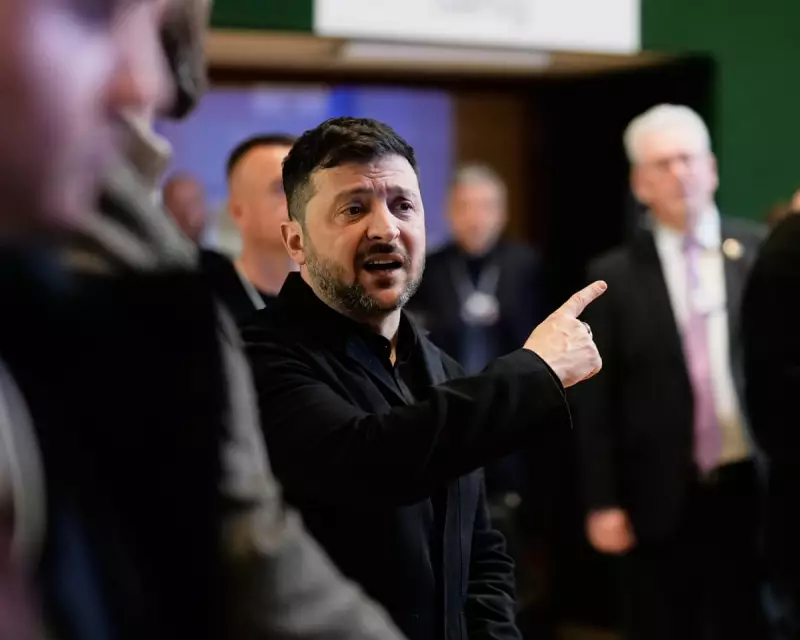
President Zelenskyy, speaking from the World Economic Forum in Davos, stated that while peace proposals are "nearly ready", the critical issue of territory—specifically the status of land currently occupied by Russia in eastern Ukraine—remains unresolved. He emphasised that "Russians have to be ready for compromises because, you know, everybody has to be ready, not only Ukraine."
Sticking Points and Geopolitical Tensions
The negotiations are expected to grapple with several long-standing, contentious demands from Moscow. These include Russia's insistence that Ukraine surrender the remaining 20% of the Donetsk region it still controls and formally renounce any ambition to join the NATO alliance. Furthermore, Russia rejects any future presence of NATO troops on Ukrainian soil following a potential peace agreement.
The Trump administration has been actively pushing for a settlement, with its envoys conducting a flurry of shuttle diplomacy between Kyiv and Moscow. However, this approach has raised concerns among some observers that Ukraine could be pressured into accepting an unfavourable deal. President Trump himself remarked that both Putin and Zelenskyy would be "stupid" if they failed to reach an agreement, noting that "everyone's making concessions."
European Inaction and Humanitarian Crisis
Amidst the diplomatic manoeuvring, President Zelenskyy delivered a blistering critique of European leadership from Davos, accusing the continent's leaders of complacency and being in a state of inaction, which he termed "Greenland mode." He lamented that despite his previous warnings, "A year has passed, and nothing has changed" regarding Europe's defence preparedness.
The talks unfold against a backdrop of severe humanitarian suffering in Ukraine. The nation is enduring a bitterly cold winter, with relentless Russian attacks on civilian infrastructure having cut power and heating to much of the capital, Kyiv, and other major cities. President Trump acknowledged the dire situation, stating, "It's really tough for the people of Ukraine," and expressing amazement at their resilience.
As the delegations gather in Abu Dhabi, the world watches to see if this first trilateral forum can forge a path toward de-escalation or a lasting peace, or if the deep-seated issues of territory and security guarantees will continue to stall progress.