US Pledges $2bn in New UN Aid Model, Excluding Gaza and Yemen
US pledges $2bn in new UN humanitarian aid model

The United States has announced a major $2 billion commitment to a newly established United Nations mechanism designed to deliver life-saving humanitarian assistance. The pledge, made on Monday, 29 December, aims to support tens of millions facing hunger and disease across more than a dozen priority nations in the coming year.

A New Model for Aid Delivery

This substantial funding injection comes as part of what US officials describe as a fresh approach to humanitarian aid, forged in partnership with the UN. The model seeks to enhance efficiency, accountability, and the overall effectiveness of aid delivery. It is a direct response to significant cuts in foreign assistance, notably during the previous Trump administration, which had precipitated a severe funding crisis for global humanitarian operations.

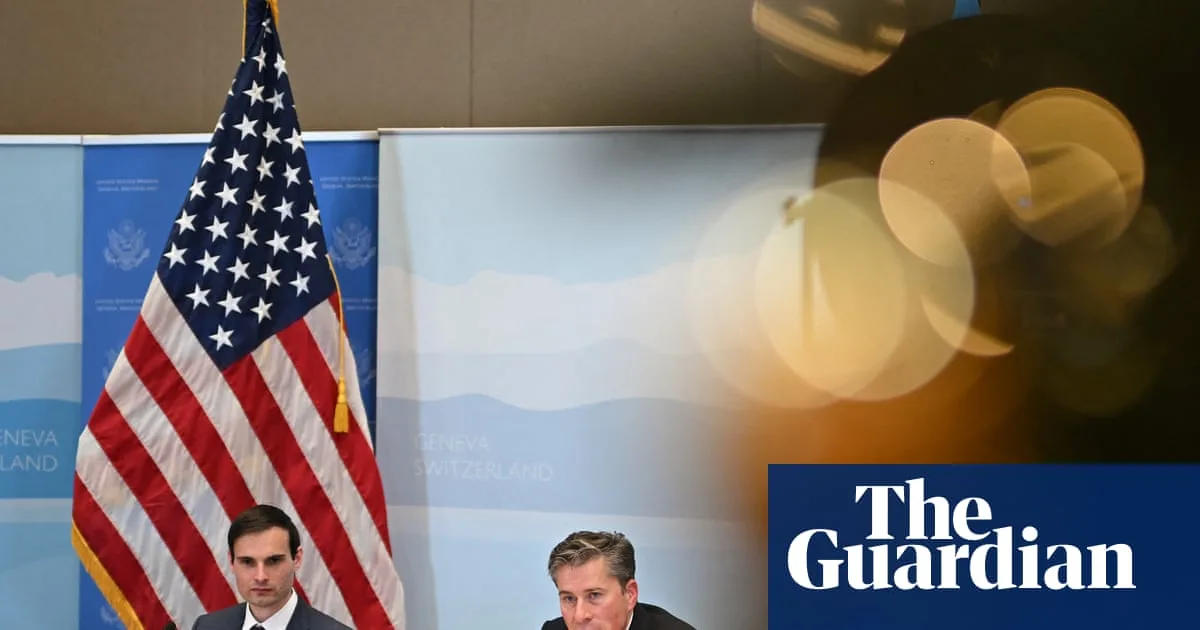
The UN Office for the Coordination of Humanitarian Affairs (OCHA) will oversee the distribution of these billions, according to the US State Department. The announcement was made in Geneva by key figures: US Under Secretary for Foreign Assistance, Humanitarian Affairs and Religious Freedom, Jeremy Lewin, and UN Under Secretary-General for Humanitarian Affairs, Tom Fletcher.

Countries In and Out of the New Framework

Officials confirmed that the US and UN will sign 17 individual memorandums of understanding with countries identified as priorities. A UN spokesperson listed Ukraine, the Democratic Republic of Congo, Nigeria, and Sudan among those included in the initial package.

However, the new mechanism will not cover several areas the UN considers critical. UN aid chief Tom Fletcher explicitly noted that Yemen, Afghanistan, and Gaza would not receive US funding under this new programme. The UN will now need to seek alternative donor support for these crises.

Jeremy Lewin clarified that Gaza, where aid agencies warn of a catastrophic shortage of supplies, is being handled on a completely separate track. He stated that the US had already approved over $300 million following a ceasefire deal brokered with help from the Trump administration, to fund UN agency pipelines into the enclave.

Shifting Priorities and a Global Funding Crunch

The US pledge arrives against a bleak backdrop of dwindling international aid budgets. US humanitarian contributions to the UN plummeted to approximately $3.38 billion in 2025, a stark drop from $14.1 billion the year before and a peak of $17.2 billion in 2022. This equates to just 14.8% of the global total.

This reduction mirrors a broader trend, with leading Western donors like Germany also scaling back assistance to redirect funds towards defence spending. The cumulative effect has strained the UN's capacity to respond to record global needs. Earlier in December, the UN launched a 2026 appeal for $23 billion, only half the sum it sought for 2025.

Lewin emphasised that the focus of this new funding stream is strictly on immediate, life-saving assistance. Projects related to climate change and other areas not deemed a top priority for the current US administration are being cut from this particular mechanism.

Despite the exclusions, Tom Fletcher expressed optimism following the US commitment, calling it a positive step after a difficult year. "Millions of lives will be saved across 17 countries," Fletcher stated, while reaffirming that humanitarian action must remain neutral, impartial, and independent.




