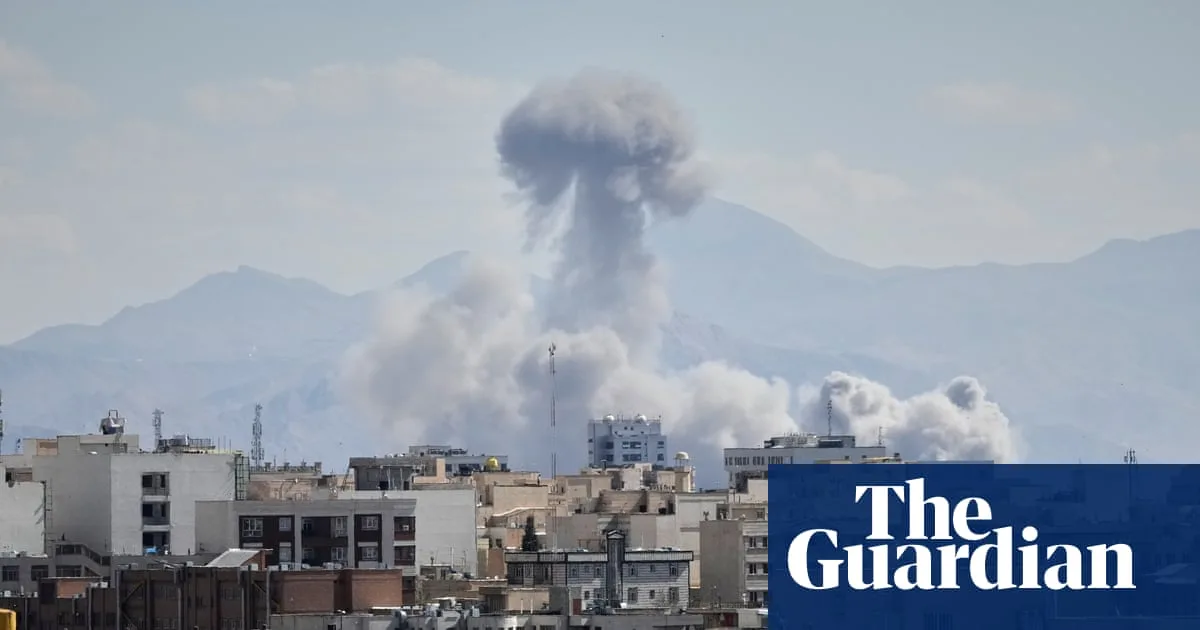
US Naval Armada Approaches Iran as Trump Threatens Military Action Over Protest Crackdown
US Naval Armada Approaches Iran Amid Trump Threats

US Naval Deployment Heightens Tensions with Iran Following Trump's 'Beautiful Armada' Remarks

Iran is preparing for a potential American military strike after former President Donald Trump announced that 'another beautiful armada' was heading towards the Middle East. The declaration was made during a speech in Clive, Iowa, on Tuesday, intensifying fears of a direct confrontation. This development occurs alongside alarming reports from human rights organisations suggesting the Iranian regime's violent suppression of protests has resulted in a death toll possibly reaching 30,000 individuals.

US Military Capability Positions for Potential Kinetic Operations

The United States Navy's Abraham Lincoln Carrier Strike Group entered the Central Command’s area of responsibility on Monday. This strategic move, following a redirection from Indo-Pacific operations, significantly enhances America's capacity to respond to the escalating crisis. The strike group is led by the nuclear-powered aircraft carrier USS Abraham Lincoln, accompanied by three Arleigh Burke-class guided missile destroyers: the USS Frank E. Petersen, Jr., the USS Spruance, and the USS Michael Murphy.

Private security firm Ambrey assessed on Tuesday that the United States has now 'positioned sufficient military capability to conduct kinetic operations against Iran' while maintaining defensive postures for itself and regional allies. Their analysis suggested that while avenging protesters might not justify sustained conflict, objectives like degrading Iranian military capabilities could increase the likelihood of limited US intervention.

Wide Pickt banner — collaborative shopping lists app for Telegram, phone mockup with grocery list

Iranian Warnings and Regional Fallout

A senior Iranian official issued a stark warning, stating Tehran would treat any American attack as 'an all-out war against us'. The regime has repeatedly threatened to drag the entire Middle East into conflict, though its military defences remain weakened following Israeli actions in June. The pressure is compounded by a collapsing economy, with the Iranian rial hitting record lows, making everyday goods increasingly unaffordable for citizens and potentially sparking further unrest.

Iran's projection of power through its 'Axis of Resistance' network of proxy militant groups across Gaza, Lebanon, Yemen, Syria, and Iraq has faced significant setbacks. The defensive buffer intended to keep conflict away from Iranian borders has deteriorated, particularly after Israel targeted groups like Hamas and Hezbollah during the Gaza war. Meanwhile, Iranian-backed militias in the region have signalled readiness to launch new attacks in support of Tehran.

Protest Crackdown and Mounting Casualties

The protests in Iran, ignited by the plummeting value of the rial on December 28, rapidly spread nationwide. They were met with a violent government crackdown, the full scale of which is only emerging due to a near-total internet blackout now in its fourth week—the most comprehensive in Iran's history. Verification of casualty figures is severely hampered by the shutdown and regime efforts to conceal numbers through fast, mass burials.

While the US-based Human Rights Activists News Agency reports at least 6,221 deaths, including many protesters and children, other sources like Time magazine cite senior Iranian health officials claiming at least 30,000 killed. The Guardian reported a similar figure, noting a large number of disappearances. Morgues, cemeteries, and forensic units are reportedly overwhelmed, with hospitals forced to turn away trucks filled with bodies. Iran's government officially puts the death toll at 3,117, labelling many as 'terrorists', a pattern consistent with past underreporting of unrest fatalities.

Diplomatic Standoff and Economic Stranglehold

Iran's UN ambassador told a Security Council meeting that Trump's repeated military threats are 'neither ambiguous nor misinterpreted'. He also alleged, without providing evidence, that the US leader incited violence by 'armed terrorist groups' supported by the United States and Israel. Iranian state media has attempted to blame foreign forces for the protests, as the theocracy struggles to address an economy crippled by international sanctions, particularly over its nuclear programme.

Pickt after-article banner — collaborative shopping lists app with family illustration

Trump has called on the regime to agree to unfavourable terms, including abandoning nuclear enrichment, relinquishing long-range missiles, and ending support for regional armed groups. The Economist's defence editor, Shashank Joshi, told the BBC that a US attack on Iran is 'likely in the coming days', warning that the path still leads toward a substantial military strike. As Gulf Arab states signal a desire to stay out of any conflict despite hosting US personnel, and with Iranian proxies like Yemen's Houthi rebels threatening Red Sea shipping, the region braces for potential escalation.




