US Military Strike Kills Three in Second Alleged Drug Boat Attack This Week
The US military conducted a strike on an alleged drug smuggling vessel in the eastern Pacific on Friday, resulting in the deaths of three individuals. This marks the second such attack within a single week, intensifying scrutiny over the escalating operations in the region.
Details of the Strike
According to US Southern Command, which oversees military activities in Latin America and the Caribbean, intelligence confirmed the boat was navigating known narco-trafficking routes and engaged in illicit operations. A 16-second video clip released by the command shows a single strike hitting the vessel, which subsequently burst into flames. No US military personnel were harmed during the engagement.
Rising Death Toll and Legal Controversies
Friday's incident brings the total number of fatalities from US strikes on suspected drug-smuggling boats since September to at least 148. Earlier this week, another strike killed 11 people, making it one of the deadliest attacks this year. These actions are part of a broader buildup of US forces in the area under the Trump administration, aimed at intercepting drug traffickers.
However, the legality of these strikes has become a significant point of contention. Lawmakers and legal experts have expressed growing concerns, with some accusing the Pentagon of carrying out extrajudicial killings. In a December statement, Jeffrey Stein, a staff attorney with the American Civil Liberties Union, and Christopher Anders, director of the Democracy and Technology Division at ACLU, argued that targeting civilians suspected of crimes violates both US and international law.
Leadership and Policy Shifts
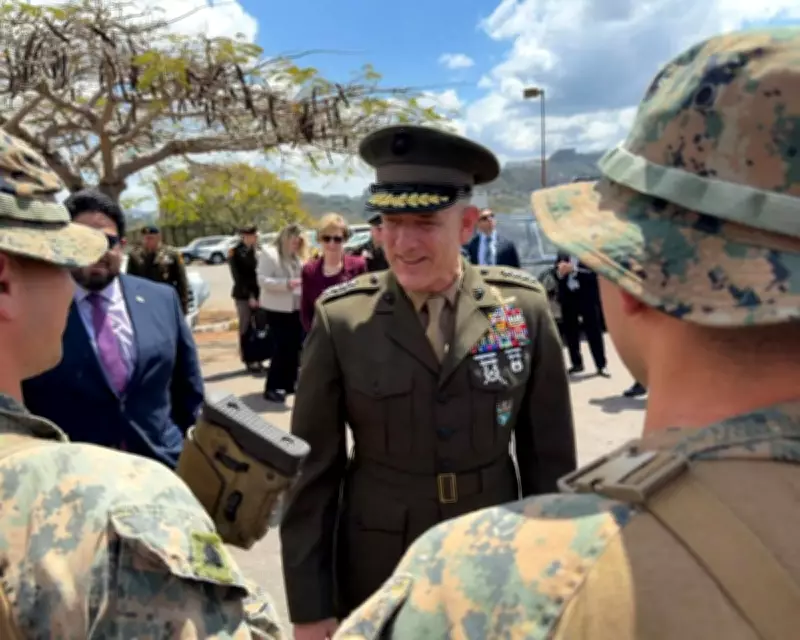
The strikes occur under the leadership of Gen Francis Donovan, who recently assumed command of US Southern Command after Adm Alvin Holsey's abrupt retirement. Reports suggest Holsey's departure was linked to disagreements over the strike policy, highlighting internal tensions within the military hierarchy.
As the US continues its aggressive stance against drug trafficking, the ethical and legal implications of these military interventions remain under intense debate, with critics warning of potential abuses of power.