US-Israeli War on Iran Explodes into Regional Conflict with Widespread Retaliation
The conflict between the United States, Israel, and Iran has rapidly escalated into a full-scale regional war, following initial strikes over the weekend that targeted Tehran and resulted in significant casualties, including the death of Iran's supreme leader Ali Khamenei. By Monday, the situation had deteriorated further, with Iran launching retaliatory attacks across the Middle East, drawing in other nations and causing widespread disruption.
Initial Attacks and Casualties
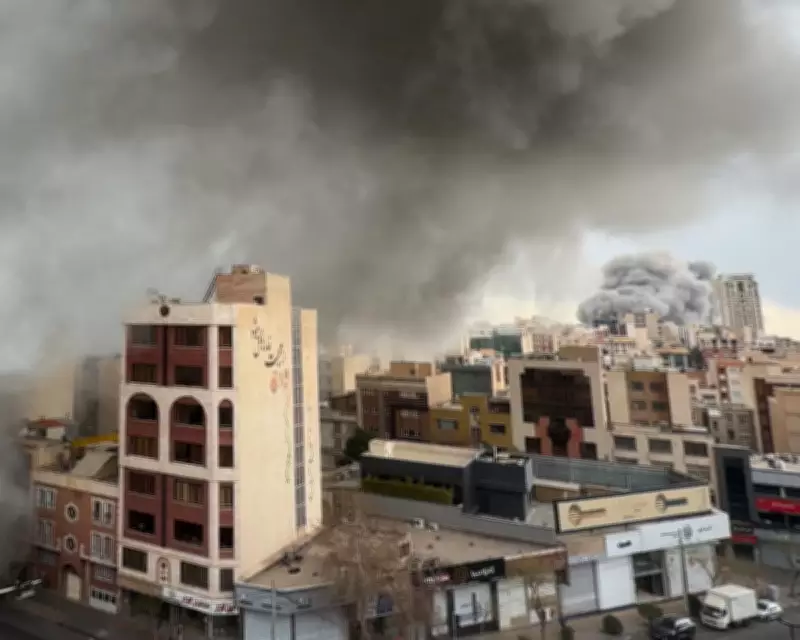
On Saturday, Israel initiated Operation Lion's Roar, coordinated with the US Operation Epic Fury, aiming to degrade Iran's military capabilities. Strikes hit key targets in Tehran, such as Khamenei's residence and ballistic missile caches, with at least 14 cities affected across Iran. The Israeli military claimed to have killed over 40 senior Iranian commanders in the first day, while the Iranian Red Crescent Society reported at least 555 fatalities overall. A particularly devastating strike on a girls' school in Minab resulted in 165 deaths and 95 injuries, highlighting the high civilian toll.
Iran's Retaliatory Strikes
Despite losses, Iran responded aggressively, bombing targets in Gulf nations allied with Washington, including luxury hotels in Dubai and Bahrain, and airports in Dubai, Kuwait, and Bahrain. Ballistic missiles were launched toward Israel, killing one person in Tel Aviv and eight in Beit Shemesh, with dozens injured. Iran also attacked a port facility in Oman and issued warnings to ships in the Strait of Hormuz, while Saudi Arabia's Ras Tanura oil refinery faced drone assaults.

Regional Escalation and International Involvement
The conflict quickly spread beyond Iran's borders. Hezbollah fired missiles from Lebanon into Israel, prompting Israeli retaliatory strikes that killed 31 and wounded 149 in Lebanon. In a significant development, a drone hit Britain's Akrotiri airbase in Cyprus, marking the first attack on a European ally. Additionally, Kuwait mistakenly shot down three American F-15E Strike Eagles, though all pilots survived. The UK, France, and Germany have expressed readiness to counter Iran's attacks, despite not endorsing the initial US-Israeli strikes.
Impact on Travel and Global Markets
The regional turmoil has led to major disruptions, with flights cancelled or delayed as airspaces over Gulf countries like Dubai and Qatar were closed. World markets were rattled, and oil prices surged following the effective closure of the Strait of Hormuz, a critical global trade route. This economic fallout underscores the broader implications of the conflict, affecting international travel and energy supplies.
As the situation continues to evolve, the rapid escalation from a targeted military campaign to a widespread regional war raises concerns about further instability and humanitarian crises in the Middle East.