
Talks between the United States and Iran that were on the verge of collapse have been salvaged after the White House relented on moving the venue from Turkey to Oman, following pressure from Arab states. The negotiations, scheduled for Friday, had been thrown into doubt when the US initially rejected Iran's demand to hold them in Muscat without the presence of a group of Arab countries.
Iran's foreign minister, Abbas Araghchi, confirmed late Wednesday that the talks would proceed in Oman. 'Nuclear talks with the United States are scheduled to be held in Muscat on about 10am Friday,' he wrote, thanking Omani officials for their arrangements. US officials also indicated the talks would go ahead, amid a massive buildup of US naval and airpower in the region, seen as a last chance for Tehran to avert a US strike.
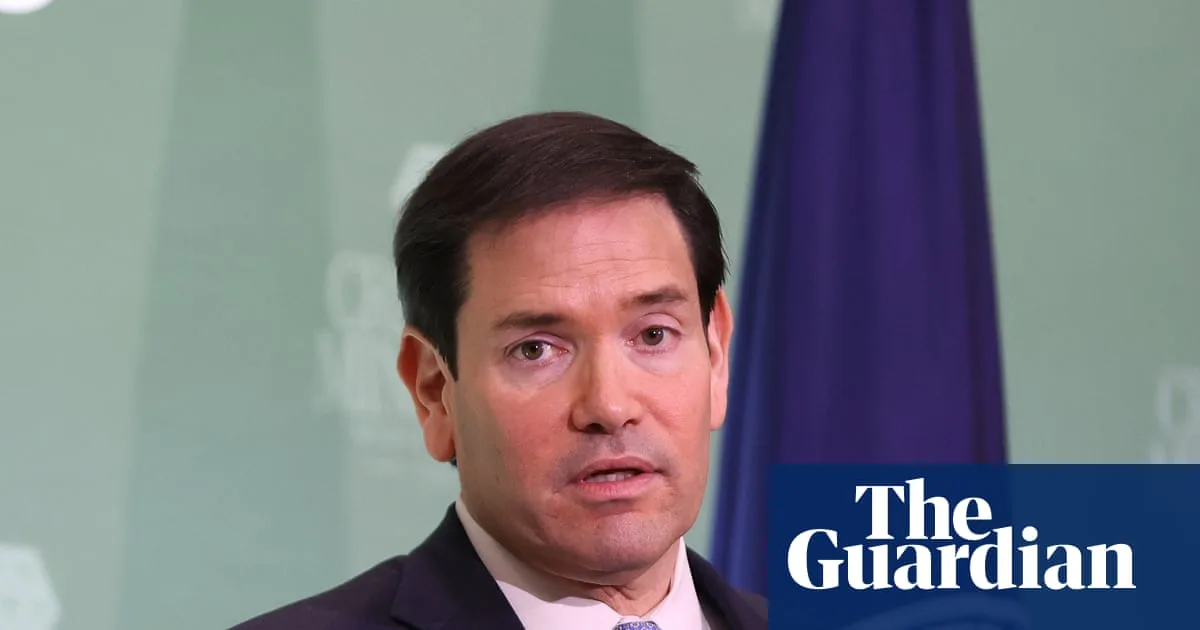
The dispute earlier centred on the agenda: Iran insisted discussions be confined to its nuclear programme, while the US demanded they also address Tehran's ballistic missile programme and support for regional proxies. US Secretary of State Marco Rubio said the talks must cover 'the range of their ballistic missiles, their sponsorship of terrorist organisations, the nuclear programme, and the treatment of their own people.'
President Donald Trump warned Iran's supreme leader, Ayatollah Ali Khamenei, should be 'very worried' after reports of the collapse. However, Axios reported that the talks were reinstated after Arab and Muslim countries urged Washington not to abandon negotiations. Despite its weak negotiating hand, Iran has insisted the only issue on the agenda can be assurances that its nuclear programme has no military purpose, and that talks must be held in Oman, where previous rounds took place.
It remains unclear whether the dispute over the agenda has been fully resolved. Russia reiterated on Thursday that its proposal to take Iran's uranium stockpile still stood, but Iran insists on its right to enrich uranium inside the country and has rejected transferring its highly enriched uranium abroad. The US believes Iran is in a weak position and has overreached itself, with Trump stating he is willing to use the large naval fleet in the region to force a backdown.




