The United States and Iran are scheduled to hold crucial diplomatic talks in Oman on Friday, primarily focused on Tehran's controversial nuclear program. These discussions come after a period of significantly heightened tensions in the Middle East, including military confrontations and domestic unrest within Iran.
Background of Escalating Regional Conflict
These negotiations follow a 12-day war launched by Israel against Iran in June, which involved US bombings of Iranian nuclear facilities. The conflict exacerbated already strained relations between Washington and Tehran. Additionally, Iran has recently experienced widespread protests across the country, met with a violent government crackdown, further complicating the diplomatic landscape.
Diverging Agendas for the Omani Talks
While Iran seeks to strictly limit the discussions to its nuclear activities, the United States aims to significantly expand the agenda. American officials want to address multiple additional concerns, including Iran's ballistic missile development, its network of regional proxy forces, and ongoing human rights issues within the country.

Iran has maintained for decades that its nuclear program is entirely peaceful, intended for civilian energy purposes. However, Iranian officials have increasingly made public threats about potentially pursuing nuclear weapons development, raising international alarms.
Trump's Dual Approach: Pressure and Diplomacy
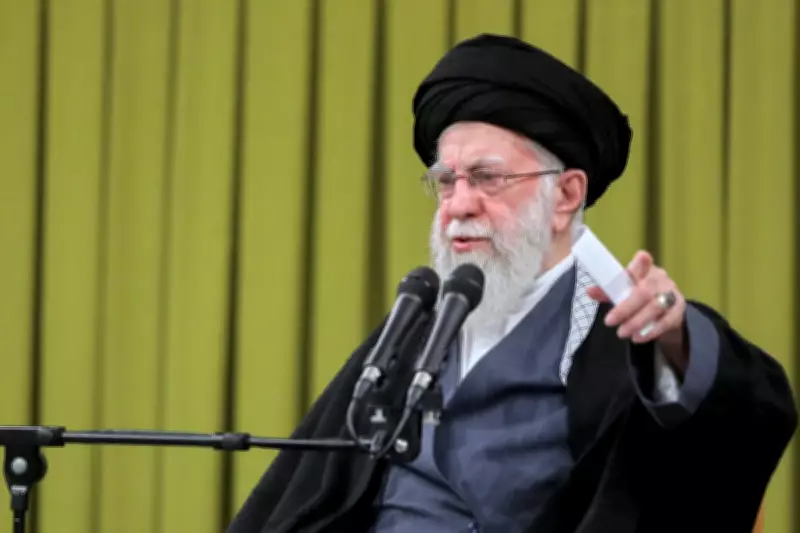
President Donald Trump has maintained a consistent pressure campaign against Iran, recently deploying what he described as an "armada" to the Persian Gulf while threatening potential military strikes. Simultaneously, Trump has initiated diplomatic outreach, including sending a personal letter to Supreme Leader Ayatollah Ali Khamenei.
In recent comments, Trump stated that Iran's supreme leader "should be very worried" about the possibility of Tehran restarting its nuclear plant operations. This reflects the administration's strategy of combining military posturing with diplomatic engagement.
Broader Implications for Middle East Stability
The outcome of these talks could have significant ramifications for regional security dynamics. A successful negotiation might de-escalate tensions, while failure could lead to further military confrontations or expanded sanctions. The international community will be closely monitoring whether the two sides can find common ground on the nuclear issue and related security concerns.