US and Iran Escalate Naval Posturing as Nuclear Negotiations Teeter
Iran and the United States have dramatically intensified naval pressure tactics this Thursday, as critical negotiations over Tehran's nuclear programme hang precariously in the balance. The strategic manoeuvres involve Tehran conducting joint military exercises with Russia, while American forces have deployed an additional aircraft carrier closer to the volatile Middle Eastern region.
Iranian Drills and American Carrier Movements Heighten Stakes
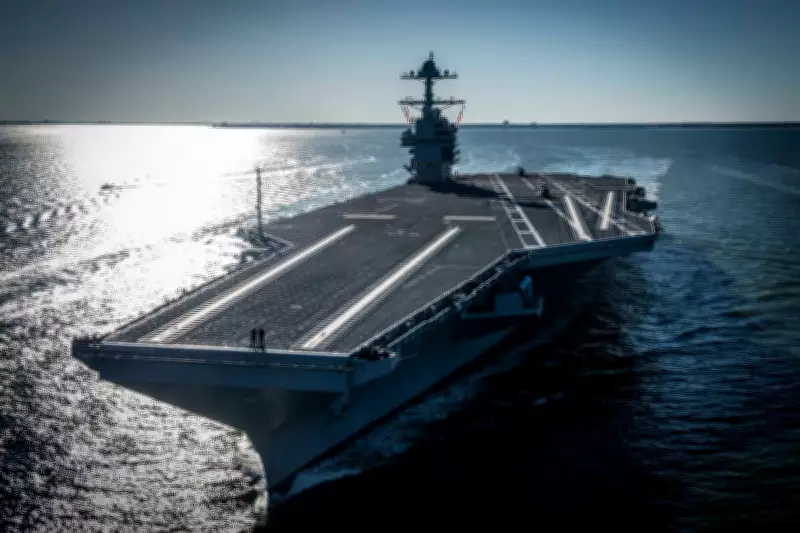
The Iranian naval drill, coupled with the arrival of the USS Gerald R. Ford aircraft carrier near the Mediterranean Sea's entrance, powerfully underscores the severe and escalating tensions between the two nations. Earlier this week, Iran initiated a separate live-fire exercise within the strategically vital Strait of Hormuz. This narrow maritime chokepoint is a crucial conduit for approximately one-fifth of the world's globally traded oil, amplifying the geopolitical significance of any military activity there.
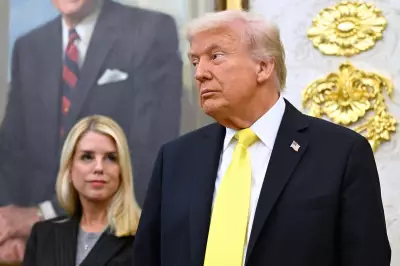
While the movement of additional American warships and aircraft does not definitively signal an imminent U.S. strike on Iran, it substantially enhances President Donald Trump's military options and readiness. President Trump has previously refrained from direct military action despite establishing red lines concerning Iran's crackdown on peaceful protesters and its implementation of mass executions. His administration has concurrently re-engaged Tehran in nuclear discussions, which were previously disrupted by the Iran-Israel conflict in June.

In a recent post on his Truth Social platform, President Trump explicitly sought to pressure the United Kingdom regarding its plans for the Chagos Islands settlement with Mauritius. He stated, “Should Iran decide not to make a Deal, it may be necessary for the United States to use Diego Garcia, and the Airfield located in Fairford, in order to eradicate a potential attack by a highly unstable and dangerous Regime.”
Joint Iranian-Russian Military Exercises Detailed
Thursday's coordinated drill featured Iranian forces and Russian sailors conducting operations across the Gulf of Oman and the Indian Ocean, as reported by Iran's state-run IRNA news agency. The official objective, according to IRNA, is “upgrading operational coordination as well as exchange of military experiences.” While China participated in previous iterations of the “Security Belt” exercise, its involvement in this current round remains unconfirmed.
Recent observations noted a vessel resembling a Steregushchiy-class Russian corvette docked at a military port in Bandar Abbas, Iran. Furthermore, Iran issued formal rocket-fire warnings to regional pilots, indicating planned anti-ship missile launches as part of the ongoing exercise.
Strategic Positioning of US Naval Assets
Concurrently, tracking data confirmed the USS Gerald R. Ford's position off the Moroccan coast in the Atlantic Ocean by midday Wednesday. This positioning allows the carrier group, which includes supporting guided-missile destroyers, to transit through the Strait of Gibraltar and potentially station in the eastern Mediterranean. Such a deployment would grant American forces enhanced aircraft and anti-missile capabilities, potentially to safeguard allies like Israel and Jordan in the event of a conflict escalation with Iran. A similar strategic placement of U.S. warships occurred during the recent Israel-Hamas war in the Gaza Strip as a deterrent against potential Iranian aggression.
Domestic Unrest and Mourning Ceremonies in Iran
Amidst these international tensions, Iran continues to grapple with significant domestic unrest following its severe crackdown on widespread protests. Mourning ceremonies, traditionally held forty days after a death, have increased for those killed by security forces last month. Witness accounts and social media footage document memorial gatherings at Tehran's expansive Behesht-e Zahra cemetery, where some participants chanted anti-government slogans and sang nationalistic songs, defying official threats.

The protest movement originated on December 28th at Tehran's historic Grand Bazaar, initially fuelled by the catastrophic collapse of Iran's national currency, the rial, before spreading nationwide. Tensions peaked dramatically on January 8th during demonstrations advocated for by Iran's exiled crown prince, Reza Pahlavi. The Iranian government has officially acknowledged a death toll of 3,117 from the violence. However, the U.S.-based Human Rights Activists News Agency, which has maintained accuracy during previous periods of Iranian unrest, estimates the fatalities exceed 7,000, with fears that the actual number may be significantly higher.
Associated Press writer Nasser Karimi in Tehran, Iran, contributed to this report.