US and Iran Clash Over Ceasefire Terms as Fragile Agreement Unravels
A ceasefire agreement between the United States and Iran is showing signs of strain, with both nations locked in significant disagreements over its core terms and implementation. The deal, intended to de-escalate tensions, is proving fragile as key points remain unresolved, casting doubt on the prospects for lasting peace.
Confusion Over Iran's Nuclear Enrichment Rights
One of the most contentious issues revolves around Iran's right to continue nuclear enrichment activities. Conflicting statements have emerged from both sides regarding what was agreed upon in the ceasefire. The US has denied granting any concessions on this front, while Iranian officials insist their nuclear program remains a sovereign right under the agreement. This ambiguity threatens to undermine the entire ceasefire framework, as nuclear capabilities are a central point of geopolitical friction.
Dispute Over Inclusion of Israel-Hezbollah Conflict
A major point of contention is whether the ceasefire extends to include Israel's ongoing conflict with Hezbollah in Lebanon. Iran and its ally Pakistan affirm that the agreement covers this aspect, aiming to broaden the scope of regional stability. However, the United States firmly denies this, stating that the ceasefire is strictly bilateral between the US and Iran. This disagreement highlights the complex web of alliances and conflicts in the Middle East, complicating peace efforts.

Trump Dismisses Iranian 10-Point Plan
Former President Donald Trump has added to the confusion by dismissing a 10-point plan that Iran claims Washington had agreed to in principle as a basis for future peace talks. Trump labeled it as one of "numerous" bogus lists, asserting that only one US plan is acceptable. This rejection undermines diplomatic progress and suggests a lack of consensus even within the US approach, further destabilising the ceasefire.
Strait of Hormuz Remains Largely Closed
The strategic Strait of Hormuz, a critical global oil shipping route, remains largely closed despite the ceasefire. Iran continues to require permits for passage, maintaining a significant lever of economic and military pressure. This closure impacts global energy markets and underscores the practical challenges in implementing the agreement, as access to the strait is a key demand from the US and its allies.
Upcoming Peace Talks in Islamabad
Delegations from both the United States and Iran are scheduled to meet in Islamabad for peace talks, aiming to address these sticking points. The talks will focus on resolving disputes over uranium enrichment, sanctions relief, and the reopening of the Strait of Hormuz. However, with such fundamental disagreements already apparent, the success of these negotiations hangs in the balance, as both sides prepare for tough discussions.
Regional Reactions and Flag-Burning Protests
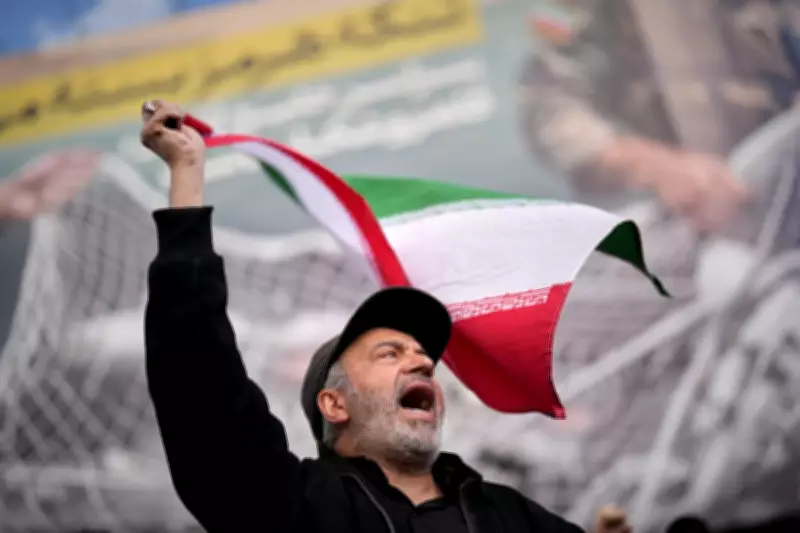
In Iran, public demonstrations have erupted, with protestors burning American and Israeli flags in response to Trump's declaration of the ceasefire and the proposed reopening of the Strait of Hormuz. These actions reflect deep-seated animosities and nationalist sentiments, complicating the Iranian government's ability to negotiate concessions. Such protests highlight the domestic pressures on both nations, adding another layer of difficulty to achieving a sustainable agreement.