US Intelligence Identifies Lone Wolf Actors as Major National Security Threat
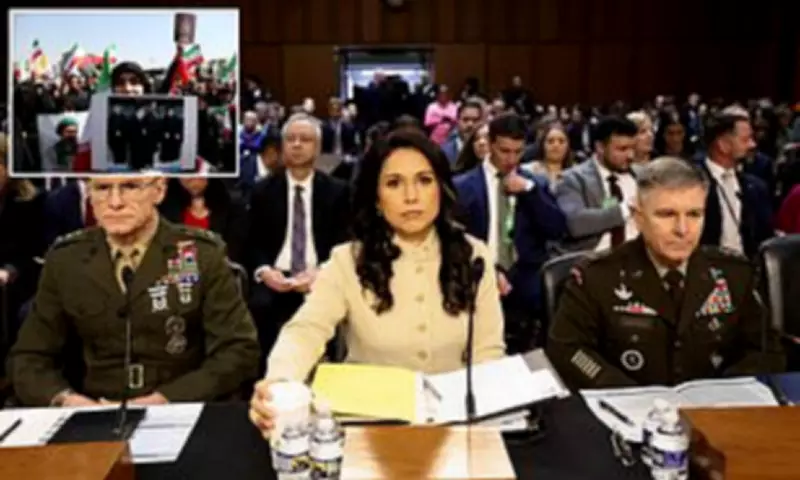
The US intelligence community has issued a stark warning, identifying the rise of radicalised lone wolf actors within the United States as one of the most significant threats to national security. This assessment comes from the 2026 Annual Threat Assessment, released by the office of Director of National Intelligence Tulsi Gabbard, which underscores a troubling increase in terrorism threats emanating from teenage extremists.
Lone Offenders Pose Highest Risk in Homeland Attacks
According to the unclassified report dated March 2026, 'the most likely terrorist attack scenario in the Homeland involves U.S.-based lone offenders.' The document elaborates on this by referencing specific incidents, including the New Year's Day attack in New Orleans, Louisiana in 2025 and the June 2025 attack in Boulder, Colorado. It attributes the escalation in such offenses partly to anti-Israel sentiment, noting that global events like the Gaza conflict are exploited to fuel radicalisation and mobilisation among individuals.
Teenage Extremists Drive Surge in Domestic Plotting
The report reveals a concerning trend: teenage Islamist extremists were responsible for a significant portion of U.S.-based plotting in 2025, continuing a pattern observed over recent years. It highlights how the ease of accessing terrorist messaging through social media platforms has facilitated the radicalisation of many young people. For instance, a 16-year-old from Virginia, motivated by Islamist ideology, rammed a stolen vehicle into a police car in New Jersey and attempted to stab an officer in March 2025. The assessment notes this teen had consumed terrorist media and expressed a desire to join ISIS.
Social Media Amplifies Radicalisation Risks
Emphasising the role of digital platforms, the report states that these individuals often draw inspiration from foreign terrorist ideologies and propaganda, which leverage world events to incite violence. The accessibility of such content online has made it easier for vulnerable youths to become radicalised, posing ongoing challenges for law enforcement and security agencies.
This breaking story underscores the urgent need for enhanced measures to counter domestic terrorism, particularly as threats from lone wolf actors and teenage extremists continue to evolve.