US Bombs Iranian Island, Trump Warns Oil Infrastructure Could Be Next Target
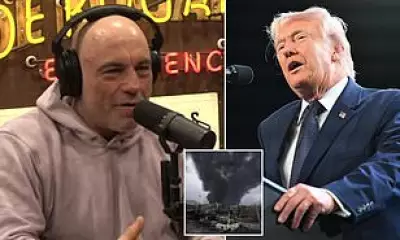
President Donald Trump has announced that United States military forces have destroyed key military installations on Iran's Kharg Island, a critical hub for the nation's oil export network. In a stark warning, Trump declared that the island's vital oil infrastructure could become the next target if Iran persists in interfering with maritime traffic through the strategically crucial Strait of Hormuz.
Strategic Strikes on Kharg Island
According to President Trump, US forces executed precision strikes on Friday, effectively "obliterating" designated targets on Kharg Island. This island hosts Iran's primary oil export terminal, making it a cornerstone of the country's economic and energy security. The attack follows escalating tensions in the region, with Iran having launched widespread missile and drone assaults on Israel and neighbouring Gulf states.
Iranian Parliament Speaker Mohammad Bagher Qalibaf had previously cautioned that any attacks on Iran's southern maritime islands would compel the nation to "abandon all restraint," highlighting their significance. Despite this warning, the US proceeded with the strikes, though Trump indicated that oil infrastructure was deliberately spared for the time being.
Military Buildup and Regional Escalation
The conflict shows no signs of abating, as evidenced by a significant US military reinforcement. An American official, speaking anonymously, confirmed that 2,500 additional Marines and the amphibious assault ship USS Tripoli are being deployed to the Middle East. This deployment, first reported by The Wall Street Journal, involves elements from the 31st Marine Expeditionary Unit, currently based in Japan.
While Marine Expeditionary Units are versatile, capable of amphibious landings, embassy security, and civilian evacuations, officials stressed that this movement does not necessarily foreshadow an imminent ground operation. The USS Tripoli, spotted near Taiwan, is over a week away from Iranian waters. Should it join the existing US naval presence—including the aircraft carrier USS Abraham Lincoln and eight destroyers in the Arabian Sea—it would become the second-largest vessel in the region.
Humanitarian Crisis and Broader Conflict
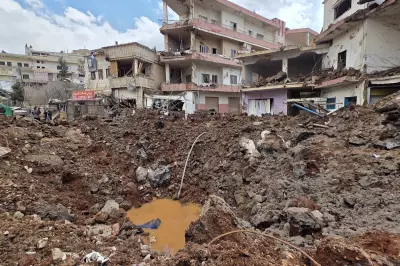
The war's impact extends beyond direct military engagements. In Lebanon, the humanitarian situation has deteriorated sharply, with nearly 800 fatalities and 850,000 people displaced due to Israeli strikes targeting Iran-backed Hezbollah militants. Israel has warned that these operations will continue without respite.
Simultaneously, Iran has effectively closed the Strait of Hormuz, a vital maritime chokepoint through which approximately one-fifth of the world's traded oil passes. US Defense Secretary Pete Hegseth sought to allay concerns, stating, "We have been dealing with it and don't need to worry about it." He also revealed that over 15,000 enemy targets have been struck since the conflict began, averaging more than 1,000 per day.
Diplomatic and Civilian Incidents
In a separate development, a missile struck a helipad within the US Embassy compound in Baghdad, Iraq, on Saturday morning. Iraqi security officials reported the incident, with Associated Press footage capturing smoke rising over the sprawling diplomatic facility. The embassy, one of the largest US diplomatic posts globally, has been repeatedly targeted by rockets and drones from Iran-aligned militias.
The US Embassy in Baghdad renewed its Level 4 security alert for Iraq on Friday, warning that attacks on US citizens and interests by Iran and its proxies "may continue to target them." No immediate comment was issued following the latest strike.
Explosion at Tehran Rally
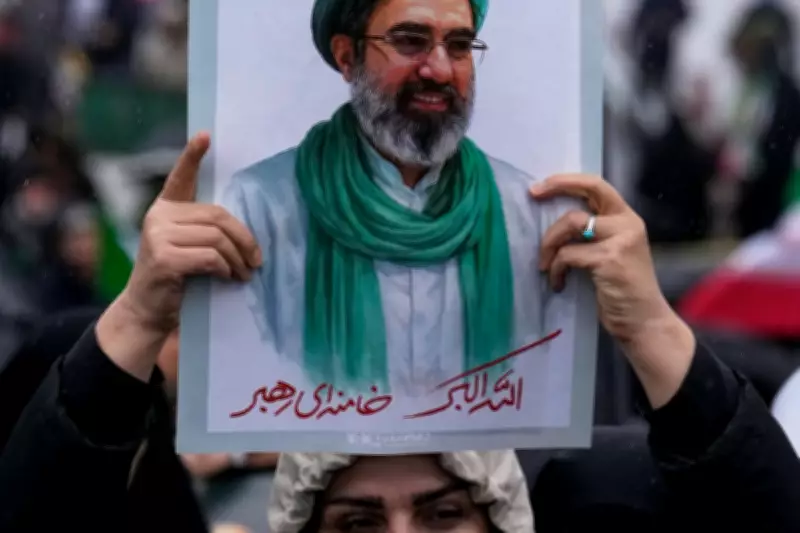
Earlier on Friday, a large explosion rocked Ferdowsi Square in Tehran during an annual state-organized Quds Day rally. Thousands had gathered to express support for Palestinians and chant slogans against Israel and America. While there were no reported casualties, footage showed smoke billowing as attendees cried "God is greatest."
Notably, Israel had issued a warning on a Farsi-language social media account shortly before the blast, advising people to clear the area. However, Iranian authorities had largely shut down internet access, limiting the warning's reach. The head of Iran's judiciary, Gholamhossein Mohseni Ejei, was present at the rally and, surrounded by bodyguards, defiantly declared that Iran "under this rain and missiles will never withdraw."
As the conflict enters its third week, these coordinated military, diplomatic, and civilian events underscore the deepening volatility in the Middle East, with global energy security and regional stability hanging in the balance.