Ukraine War Front Line: 745-Mile Stalemate Enters Fifth Year
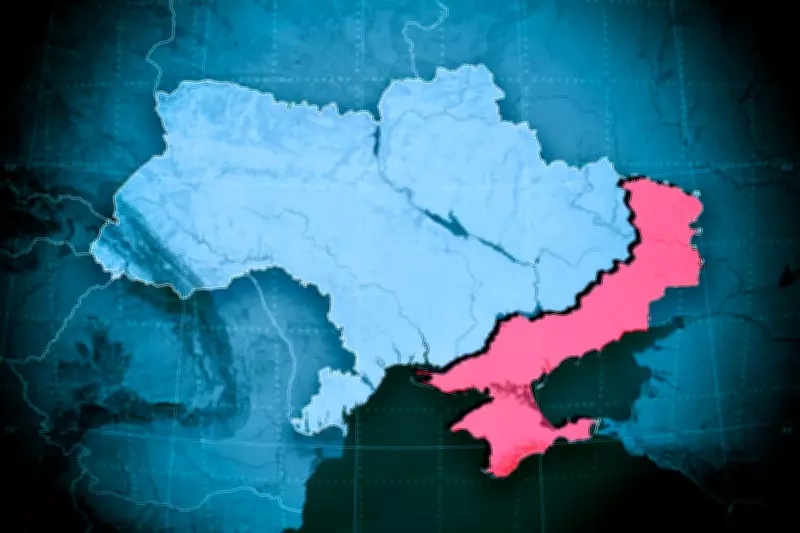
As the war in Ukraine enters its fifth year, Ukrainian and Russian forces remain locked in a grinding stalemate along a 1,200-kilometre (745-mile) front line. Despite diplomatic efforts and military manoeuvres, neither side has gained decisive momentum to force concessions, with developments in tactics and technology slowing progress to a crawl.
Symbolic Gains and Strategic Challenges
On the eve of the conflict's fourth anniversary, President Volodymyr Zelensky asserted that recovering all lost territory was "only a matter of time." In February, Ukraine's military announced control over 400 square kilometres of territory, including eight settlements, improving upon the 300 square kilometres claimed the previous week. These gains more than offset the 389 square kilometres Russia was assessed to have captured in January.
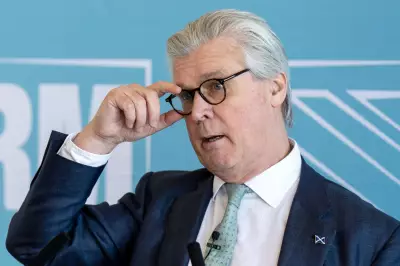
However, experts note that most Ukrainian advances are in the southeast, away from strategically valuable eastern regions. Emil Kastehelmi, a military analyst and co-founder of the Black Bird Group, told The Independent that breaking the deadlock where it matters remains difficult for both sides.

The Drone-Dominated Battlefield
The front line today is not a coherent trench line but a blurry, intermingled zone shaped by drone warfare. Kastehelmi explained that drones have "demechanised" the battlefield, making large advances nearly impossible. The aerial threat has rendered tanks unviable, forcing Russia to rely on infantry-heavy tactics in a war of attrition.
Drone-inflicted casualties have surged from less than 10% in 2022 to up to 80% in 2025. Russia is estimated to have suffered 80,000 losses last year to gain just 0.8% of Ukraine's territory (approximately 4,800 square kilometres). Tank platoon commander Valentyn Bohdanov described tanks as effectively redundant, reduced to static artillery pieces hidden beneath webbing near the front.
Breaking the Deadlock
Kastehelmi predicts Russia will continue making slow monthly gains in 2026, aiming to bleed the Ukrainian army through attrition. While Ukraine faces manpower issues and desertion, no radical front-line changes are expected this year. Last year, Russian advances averaged 400-500 square kilometres monthly, indicating persistent battlefield challenges.
Dr Jack Watling of the Royal United Services Institute noted that Ukraine's better units have mastered modern offensive operations, enabling counterattacks in Kupiansk and the south. The key, he said, is teaching these tactics widely across the front and fixing training processes to bolster unit strength before spring vegetation returns.
Economic Pressures and Future Prospects
Russia's war economy has slowed dramatically, with just 1% growth in 2025 and a growing budget deficit. The defence sector accounts for 8% of GDP, offering little public benefit. Russia increasingly relies on foreign troops, wary of another mobilisation that could spark rebellion among a war-weary population.
Sanctions against Russia aid Ukraine, but European unity faces obstacles; the EU recently failed to impose its 20th sanctions round, with Hungary's Viktor Orban opposing measures. Watling assessed that while Russia's economy can sustain the war, dwindling reserves and growing debt make it vulnerable to shocks, raising questions about Europe's willingness to apply pressure.
Tactical Evolution and Technological Shifts
Mobile drone-hunting teams are now commonplace, and the war has morphed into an "air battle of mutual denial," according to a French Institute of International Relations report. However, slow advances still depend heavily on infantry. Military analyst Rob Lee suggested it is too soon to write off tanks permanently, noting that the current diminished role may change with the next technological breakthrough enabling manoeuvre warfare again.
As the conflict drags on, both sides grapple with the high costs of a drone-dominated stalemate, with the 745-mile front line symbolising a war that has defied easy resolution for five long years.