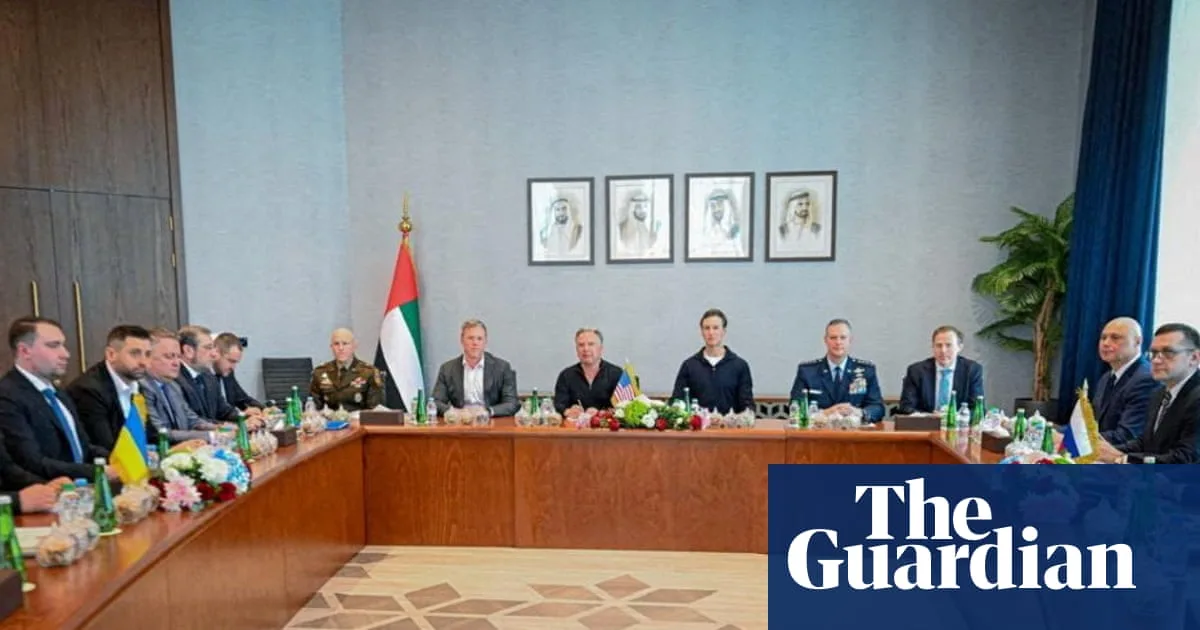
Hope was high but expectations remained decidedly low last night as diplomatic envoys from Ukraine, Russia, and the United States gathered together for the first time in years. The historic trilateral meeting, held in the United Arab Emirates capital of Abu Dhabi, marked a significant attempt to revive peace efforts to end the devastating conflict that has raged since Russia's full-scale invasion in 2022.
Kremlin's Unyielding Stance Dashes Early Optimism
However, any fleeting optimism was swiftly crushed by the Kremlin, which vowed never to budge from its uncompromising demand for the entirety of the Donbas territory in eastern Ukraine. This hardened position immediately cast a long shadow over the proceedings, underscoring the profound divisions that have characterised this war for nearly four years.
A Fractured Dialogue from the Outset
It was not even clear if the bitterly divided Moscow and Kyiv delegations would be in the same room, highlighting the immense challenges facing these negotiations. The talks, which are expected to last two days, represent a fragile diplomatic step, but one fraught with historical baggage and current hostilities.
Acting as the crucial middlemen in this high-stakes dialogue are Donald Trump's son-in-law, Jared Kushner, and White House envoy Steve Witkoff. Their daunting task is to broker a potential deal after hundreds of thousands of deaths and widespread destruction. President Trump, who only yesterday renewed his boast that he will end the war, insisted both Ukraine and Russia 'want to make a deal', injecting a note of political urgency into the complex diplomatic manoeuvring.
Military Strikes Undermine Diplomatic Efforts
Yet even as the talks got underway in Abu Dhabi, a stark reminder of the ongoing reality unfolded on the ground. Russian President Vladimir Putin ordered a new wave of military strikes, plunging Ukraine into its deepest energy crisis of the four-year war. These attacks targeted power and heating infrastructure in major cities, including Kyiv, amid freezing minus 10C conditions, a move widely seen as increasing pressure on the Ukrainian negotiating position.
The Central Impasse: The Fate of Donbas
The Russian president appears determined that any eventual deal will see him granted control of the Donbas region, even though his troops have failed to secure it through nearly 50 months of grinding, attritional warfare. This core demand represents the central impasse. A source close to the Kremlin suggested Moscow believes that Trump agreed in Alaska last year that Russia could control all of Donbas and freeze the current front lines elsewhere in Ukraine's east and south, a claim that adds another layer of complexity to the discussions.
In contrast, Ukrainian President Volodymyr Zelensky has consistently and unequivocally ruled out surrendering sovereign land. He appeared cautiously optimistic about the outcome of the talks, describing the meetings as 'a step', but pointedly fell short of characterising it as a positive one. This measured response reflects the precarious balance between diplomatic hope and military reality.
The Question of Future Security Guarantees
The other major issue dominating the negotiation agenda is the question of future security guarantees. Specifically, what the United States would do if Russia were to invade Ukraine again after any potential agreement. This concern over long-term deterrence and commitment remains a critical, unresolved point that the envoys must grapple with as they seek a sustainable path to peace.
As the talks continue, the world watches to see if this diplomatic initiative can overcome a backdrop of relentless violence and entrenched positions, or if it will become another chapter in the long and tragic story of this conflict.






