In a notable development within the protracted Ukraine war, Kyiv and Moscow have executed a major prisoner exchange, underscoring a rare moment of diplomatic engagement amid the ongoing conflict. This swap, which involved hundreds of captives from both Ukrainian and Russian sides, represents a significant humanitarian effort to address the plight of prisoners of war and detainees caught in the hostilities.
Details of the Exchange
The prisoner exchange, confirmed by officials from both nations, took place through coordinated negotiations facilitated by international mediators. According to reports, the swap included military personnel and civilians who had been held captive for extended periods, with each side releasing a substantial number of individuals. This move is seen as a step towards easing tensions and fostering trust, even as military operations continue unabated in various regions of Ukraine.
Humanitarian Implications
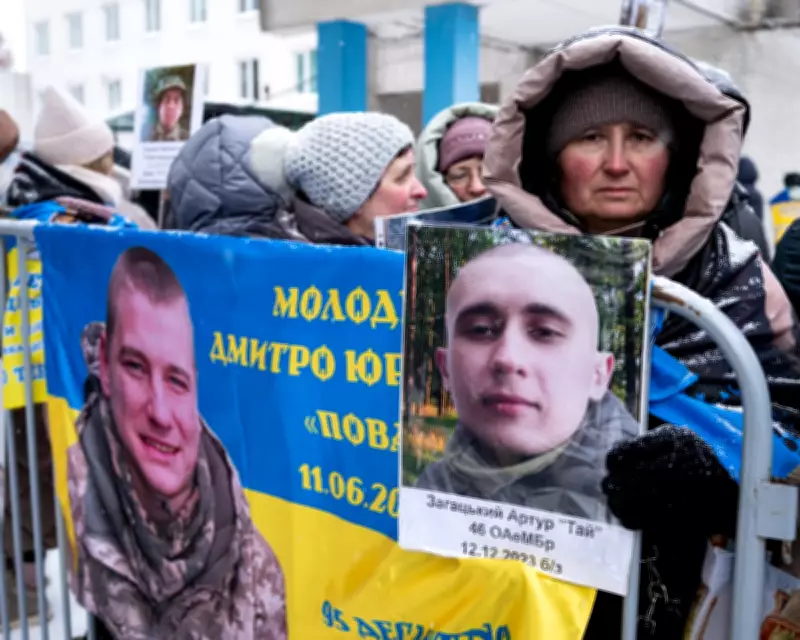
The exchange has been hailed by humanitarian organizations as a crucial measure to alleviate the suffering of those detained. It highlights the ongoing efforts to uphold international laws regarding the treatment of prisoners during armed conflicts. However, concerns remain about the conditions in which many captives were held, with calls for increased transparency and access for independent monitors to ensure their well-being.

Broader Context of the War
This prisoner swap occurs against the backdrop of a war that has persisted for years, with significant casualties and widespread destruction. While such exchanges offer a glimmer of hope for de-escalation, they are often isolated incidents in a broader landscape of entrenched hostilities. Analysts note that while diplomatic channels remain open for humanitarian issues, major political resolutions to the conflict appear distant, with both sides maintaining firm stances on territorial and sovereignty disputes.
The exchange also reflects the complex dynamics of the war, where moments of cooperation coexist with ongoing military confrontations. It serves as a reminder of the human cost of the conflict and the importance of continued international efforts to support peace initiatives and provide aid to affected populations.