
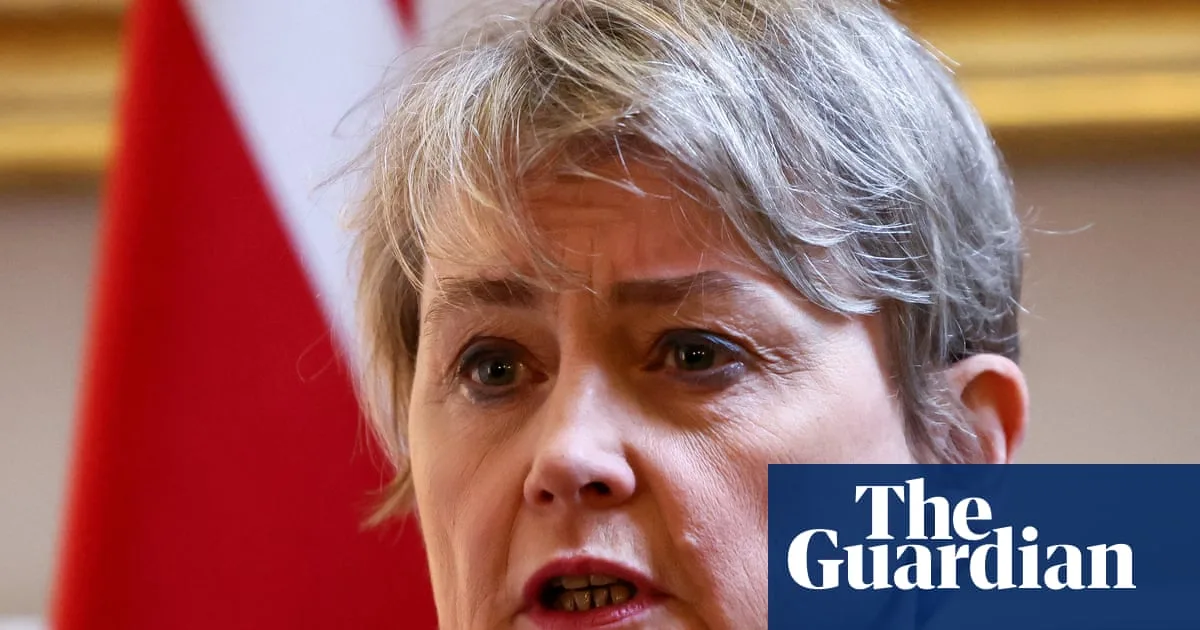
Britain will not sign up to Donald Trump's 'board of peace' on Thursday, Foreign Secretary Yvette Cooper has confirmed, citing concerns about Russian involvement. The US president's initiative, announced at the World Economic Forum in Davos, aims to oversee a ceasefire and reconstruction in Gaza, but critics view it as an alternative to the UN.
Cooper told BBC Breakfast that the UK 'won't be one of the signatories' on Thursday, explaining that the legal treaty raises broader issues. She highlighted worries about President Putin being part of a peace initiative when there are no signs of his commitment to peace in Ukraine. 'That is also what we should be talking about,' she added.
The Kremlin announced on Monday that Putin had been invited to join the board, with Trump claiming in Davos that Putin had accepted. However, a Kremlin spokesperson said Russia is seeking to 'clarify all the nuances' of the offer before responding. Cooper stressed that Putin has shown no willingness to make an agreement on Ukraine, and that pressure needs to be applied.
The board's founding executive board includes Trump as chair, former UK Prime Minister Tony Blair, US Secretary of State Marco Rubio, Trump's envoy Steve Witkoff, Jared Kushner, and World Bank President Ajay Banga. Countries such as Saudi Arabia, Turkey, Egypt, and Israel have agreed to join. Trump is due to meet Ukrainian President Volodymyr Zelenskyy in Davos on Thursday, stating they are 'reasonably close' to a deal on Ukraine.




