UK and Allies Snub Trump's Gaza Peace Board Over Putin Inclusion and $1bn Fee
UK Snubs Trump's Gaza Peace Board Over Putin and $1bn Fee

Major Western Allies Decline Participation in Trump's Controversial Gaza Peace Initiative

Britain has joined a significant coalition of major Western powers in publicly declining to participate in Donald Trump's newly proposed Gaza board of peace, unveiled during the World Economic Forum in Davos. The high-profile signing ceremony, intended to launch the international initiative, faced notable absences from key US allies including Canada and Italy, with France, Norway and Sweden also indicating they will not join the controversial project.

Substantial Financial Demands and Geopolitical Concerns

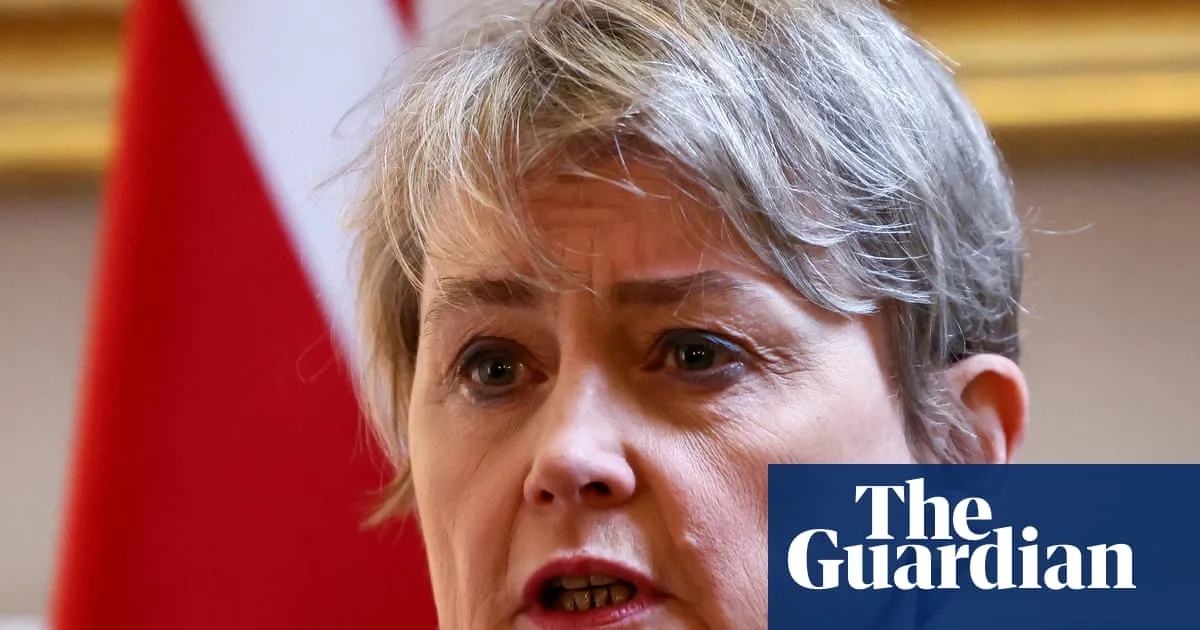
Foreign Secretary Yvette Cooper has articulated the UK's primary objections to the proposed peace board, highlighting particular concern over the inclusion of Russian President Vladimir Putin as a member. "The idea of the Russian president being part of something which is talking about peace when we have still not seen any signs from Putin that there will be a commitment to peace in Ukraine is deeply problematic," Ms Cooper stated on Thursday.

The financial requirements present another significant barrier to participation, with President Trump demanding a staggering $1bn from each nation for permanent membership. This substantial financial commitment has alienated numerous potential allies and raised questions about the board's accessibility and democratic representation.

Wide Pickt banner — collaborative shopping lists app for Telegram, phone mockup with grocery list

Broader International Apprehensions and UN Implications

Beyond immediate concerns about membership and funding, there exists widespread apprehension among diplomatic circles that President Trump intends to use the new board as a potential replacement for the United Nations. The UN was established following the Second World War specifically to maintain global peace and security, making any perceived attempt to undermine its authority particularly sensitive among international partners.

Although the US president has insisted his board would work alongside rather than replace the UN, these reassurances have struggled to gain traction following his recent threats against Greenland, which forms part of the Kingdom of Denmark, a longstanding NATO ally. This pattern of unilateral action has heightened concerns about the board's potential overreach.

Alarming Rhetoric and Expanded Mandate

During the televised launch event in Switzerland, President Trump did little to alleviate international concerns, instead making statements that have raised alarm across European capitals and beyond. "Once this board is completely formed, we can do pretty much whatever we want to do," he declared, suggesting an expansion of the board's mandate beyond its initial purpose of cementing the Gaza ceasefire.

This rhetoric has dispirited many nations who had hoped for a more collaborative and transparent approach to Middle East peace initiatives. The board's proposed redevelopment plans for Gaza, including cities named "New Gaza" and "New Rafah," have further complicated international reception of the proposal.

Trump's Response to International Resistance

Facing significant diplomatic pushback, President Trump has adopted an uncompromising stance toward reluctant nations. When questioned about France's decision to abstain from the signing ceremony, he threatened to impose a "200 per cent tariff" on French wines and champagne, adding confidently about French President Emmanuel Macron: "he'll join."

Despite these pressures, the current composition of committed members reveals potential limitations for the board's legitimacy and scope. While Israel has confirmed participation following initial criticism of the oversight committee's makeup, and nations including Saudi Arabia, the United Arab Emirates, Egypt, Turkey and Belarus have agreed to join, the notable absence of established democracies among committed members presents significant challenges for the initiative's international credibility.

The United States claims thirty-five countries have agreed to participate, but dozens more invitations remain unanswered as diplomatic concerns continue to mount among traditional Western allies about the board's structure, funding, and geopolitical implications.

Pickt after-article banner — collaborative shopping lists app with family illustration




