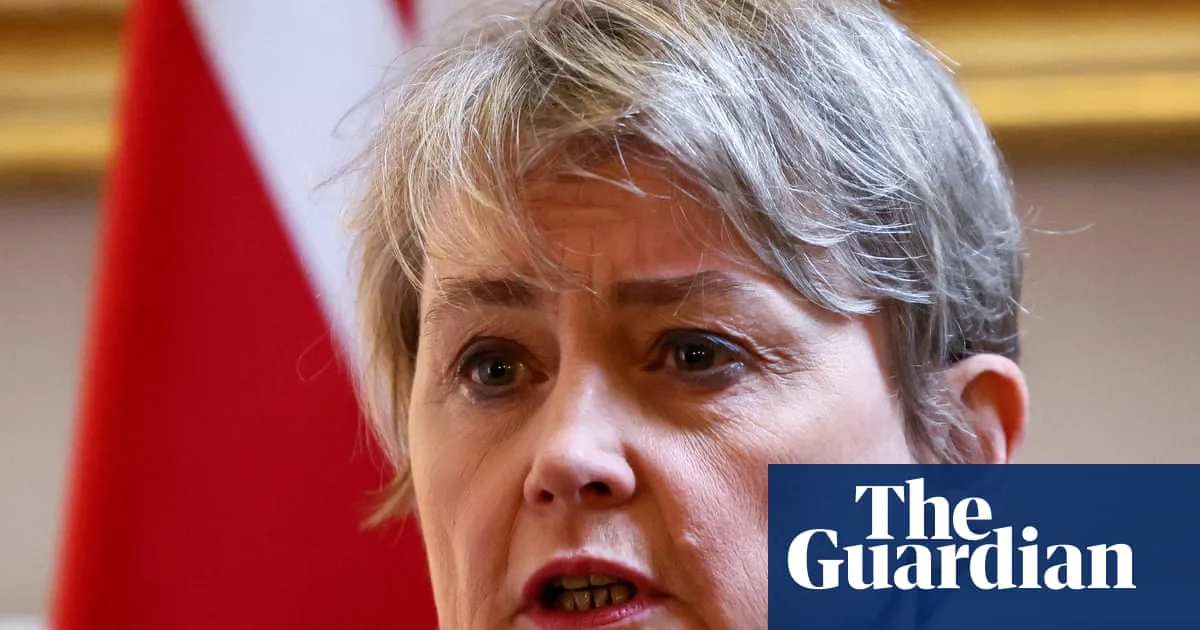
Britain has officially confirmed it will not participate in Donald Trump's signing ceremony for the controversial Gaza Board of Peace, with Foreign Secretary Yvette Cooper citing significant concerns about Vladimir Putin's inclusion in the initiative.
Diplomatic Stand Over Russian Involvement
The United Kingdom has been formally invited to join the Board of Peace, a Trump administration initiative originally conceived to oversee Gaza's reconstruction but which has since evolved into a broader conflict mediation body. However, Ms Cooper has made clear that Britain will not be among the signatories at today's ceremony in Davos.
The foreign secretary explicitly stated that the UK government has "concerns about President Putin being part of something which is talking about peace when we have still not seen any signs from Putin that there will be a commitment to peace in Ukraine."
Broader International Skepticism
Britain's position reflects wider international unease about the initiative. Prime Minister Sir Keir Starmer has expressed reservations in recent days, with his spokesman indicating that the UK was "still looking at the terms" of participation.
The Kremlin has acknowledged receiving an invitation, with spokesperson Dmitri Peskov confirming that Russia is "studying the details" to understand "all the nuances" of the proposed board.
Ms Cooper elaborated on BBC Breakfast: "We won't be one of the signatories today, because this is about a legal treaty that raises much broader issues." She emphasised that while Britain would not participate in the signing ceremony, the government would maintain "continuing international discussions, including with our allies, including on how we work with this, and how we work with the peace process for Gaza going forward."
Evolving Nature of Trump's Initiative
The Board of Peace was initially presented by Mr Trump as a small group of world leaders focused on Gaza's reconstruction. However, it has since expanded significantly in scope and ambition, with the former president extending invitations to dozens of nations and suggesting the board could soon mediate various international conflicts, functioning somewhat like a pseudo-United Nations Security Council.
A senior US administration official told Associated Press reporters that approximately 35 countries had agreed to sign onto the project, with invitations extended to 60 nations in total. Mr Trump himself described the initiative on Wednesday as "the most prestigious board ever formed," claiming he had "a lot of great people that want to join."
European Allies Expressing Reservations
Several European nations have joined Britain in expressing reservations about the board. Norway, Sweden, and France have all indicated they will not join at this time, with French officials particularly concerned that the board might seek to replace the UN as the primary venue for international conflict resolution.
Italy is also expected to reject the invitation according to national newspaper Corriere della Sera, while tensions between the US and NATO have been rising over Mr Trump's expressed desire to acquire Greenland.
Ukrainian President Volodymyr Zelensky, who received an invitation, told media on Tuesday that he found it difficult to imagine being together with Russia on this or any similar board given the ongoing conflict.
Composition of the Executive Board
The proposed executive board includes several prominent international figures:
- US Secretary of State Marco Rubio
- Trump envoy Steve Witkoff
- Former British Prime Minister Tony Blair
- Apollo Global Management CEO Marc Rowan
- World Bank President Ajay Banga
- Mr Trump's deputy national security adviser Robert Gabriel
- Mr Trump's son-in-law Jared Kushner
The signing ceremony is scheduled to take place in Davos later today, with Britain's absence marking a significant diplomatic statement about the conditions under which it will engage with international peace initiatives.






