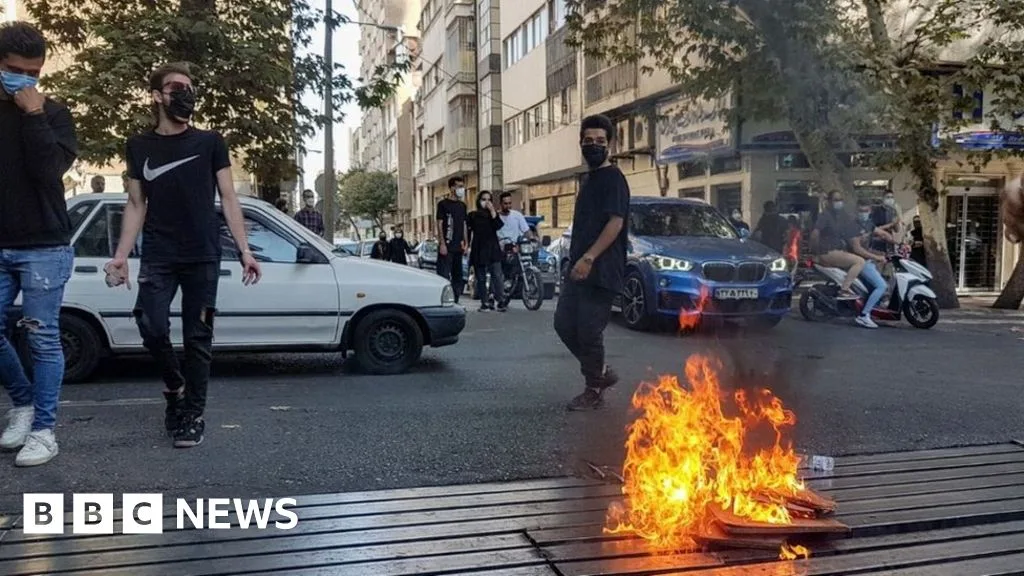
Britain has imposed sweeping sanctions on ten Iranian officials and one organisation responsible for human rights abuses during recent protests, as the verified death toll from the regime's violent crackdown creeps above 7,000 with thousands more injured.
Escalating Crisis in Iran
The UK Foreign Office announced the measures against Tehran's Minister of Interior, police chiefs and military figures who have enabled brutality against peaceful demonstrators. A further 17,000 deaths are currently under investigation as the Iranian regime continues its suppression of opposition voices.
Foreign Secretary Yvette Cooper stated: "The Iranian people have shown extreme courage in the face of brutality and repression over recent weeks simply for exercising their right to peaceful protest. The reports and shocking scenes of violence that have been seen around the world are horrific."
Sanctioned Individuals and Organisations
Assets freezes have been implemented against the Law Enforcement Forces of the Islamic Republic of Iran and ten specific violators:
- Eskandar Momeni – Minister of the Interior responsible for Iran's police forces
- Mohammad Reza Hashemifar – Police Chief in Lorestan Province where multiple protesters have been killed
- Seyed Majid Feiz Jafari – police chief of Iran's Public Security Police who directed violent crackdowns
- Yadollah Bouali – Islamic Revolutionary Guard Corps commander of Fars Province
- Babak Zanjani – businessman funding IRGC criminal activities including protest suppression
- Colonel Ahmed Amini – Police Chief presiding over human rights abuses in Noor province
- Mohammad Ghanbari – Commander of Iran's Criminal Investigation Police overseeing arbitrary detention and torture
- Ahmad Darvish Goftar – Judge in the Revolutionary Court of Rasht responsible for death sentences
- Mehdi Rasakhi – Judge imposing excessive sentences on women's rights and labour activists
- Mohammad Zamani – IRGC officer responsible for multiple human rights violations
Regional Military Tensions
The sanctions announcement comes amid significant military movements in the region. The United States has gathered a substantial naval armada including the carrier strike force USS Abraham Lincoln and six destroyers positioned in the Persian Gulf, with squadrons of F-15 fighter jets relocating to Middle Eastern bases to support operations.
Intelligence assessments suggest stealth bombers may also have been moved toward the region in preparation for potential strikes against Iran, though negotiations continue with Tehran's Foreign Minister expressing confidence that a deal on Iran's nuclear weapons programme remains possible.
Cross-Border Conflict Escalation
Israel has simultaneously launched massive airstrikes against Iran-funded Hezbollah targets in southern Lebanon, resulting in at least one death and eight injuries in the Tyre region. These strikes represent preparation for potential retaliatory attacks by Iran's proxy forces, continuing a conflict that escalated into full-scale war in September 2024 following the October 7 attacks.
The UK Foreign Office emphasised their ongoing commitment: "We continue to take strong action and hold the Iranian regime to account. The UK already has imposed more than 550 sanctions on Iranian individuals and organisations who enable such behaviour."
This includes comprehensive sanctions against the Islamic Revolutionary Guards Corps and over 90 specific measures targeting human rights violations, demonstrating Britain's sustained diplomatic pressure against Tehran's oppressive regime.




