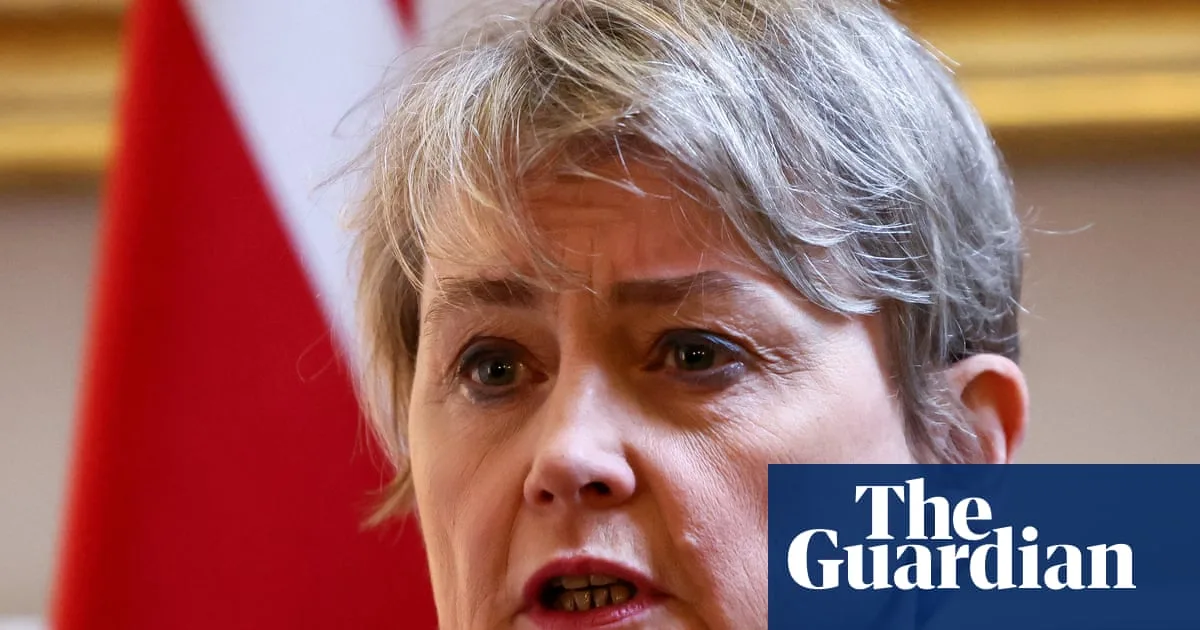
Foreign Secretary Yvette Cooper has confirmed the United Kingdom will not be signing up to Donald Trump's proposed Board of Peace treaty on Thursday, citing significant concerns about potential Russian involvement in the initiative. The announcement comes as the US president seeks to spotlight the board at the World Economic Forum in Davos, Switzerland.
Diplomatic Concerns Over Russian Participation
During an interview with BBC Breakfast, Cooper expressed Britain's reservations about President Vladimir Putin's potential participation in a peace-focused initiative while Russia continues its military actions in Ukraine. "We do also have concerns about President Putin being part of something which is talking about peace, when we have still not seen any signs from Putin that there will be a commitment to peace in Ukraine," Cooper stated emphatically.
The Foreign Secretary elaborated that the UK would not be among the signatories to what she described as "a legal treaty that raises much broader issues." She emphasised that Britain strongly supports President Trump's wider 20-point plan for peace in the Middle East but would not be joining this specific board initiative at this time.
Alternative Role in Gaza Peace Process
Cooper indicated that Britain would instead discuss with international allies the "different supportive role" it could play in the Gaza peace process. This suggests the UK government remains committed to Middle East peace efforts but prefers to engage through alternative diplomatic channels rather than the Board of Peace framework.
The board was initially conceived as a small group of world leaders overseeing ceasefire arrangements in the Middle East but appears to have evolved into a more extensive international agreement. According to a senior official speaking anonymously under White House ground rules, approximately 35 countries had agreed to sign the project, with invitations extended to 60 nations in total.
International Response and Russian Position
Russian President Vladimir Putin has indicated that Moscow is still consulting with its "strategic partners" before deciding whether to commit to the peace plan. This ongoing consultation process has contributed to Britain's hesitation about participating in an initiative that might include Russian involvement while conflict continues in Ukraine.
Cooper's comments reflect broader diplomatic tensions surrounding peace initiatives that involve nations currently engaged in military conflicts. The Foreign Secretary concluded her remarks by stating, "And to be honest, that is also what we should be talking about," redirecting attention toward the ongoing situation in Ukraine rather than new peace structures that might include Russian participation.
The UK's decision represents a significant diplomatic position as international leaders gather in Davos, highlighting the complex geopolitical considerations surrounding peace initiatives in multiple conflict zones simultaneously.






