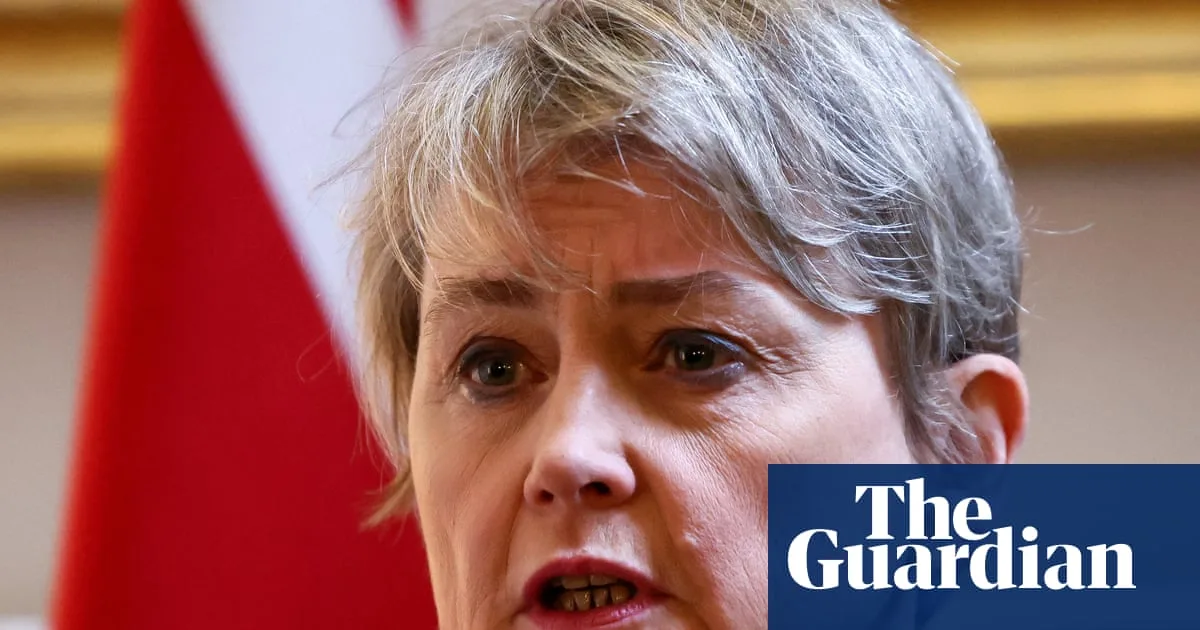
Britain has decided against immediately signing up to former US President Donald Trump's "Board of Peace" initiative, with Foreign Secretary Yvette Cooper expressing significant concerns about potential Russian involvement in the plan.
Diplomatic Hesitation Over Russian Participation
Speaking to BBC Breakfast on Thursday, the UK's top diplomat confirmed that Britain would not be among the initial signatories to the board, which was launched during a ceremony at the World Economic Forum in Davos, Switzerland. Cooper highlighted particular unease about Russian President Vladimir Putin's potential participation in a peace-focused initiative while the conflict in Ukraine continues unabated.
"We won't be one of the signatories today, because this is about a legal treaty that raises much broader issues," Cooper stated. "And we do also have concerns about President Putin being part of something which is talking about peace, when we have still not seen any signs from Putin that there will be a commitment to peace in Ukraine."
Broader Support for Middle East Peace Efforts
Despite this hesitation regarding the specific board initiative, Cooper emphasised that Britain strongly supports Trump's wider 20-point plan for peace in the Middle East. The Foreign Secretary indicated that the UK would maintain ongoing international discussions with allies about how Britain might play a supportive role in the Gaza peace process moving forward.
"We will have continuing international discussions including with our allies, including on how we work with this and how we work with the peace process for Gaza going forward, and the different supportive role that the UK can play," Cooper explained.
Evolving Nature of the Peace Initiative
The Board of Peace, initially conceived as a small group overseeing ceasefire arrangements in the Middle East, appears to have evolved into a more expansive undertaking. According to a senior official speaking anonymously under White House ground rules, approximately 35 countries had agreed to sign onto the project, with invitations extended to 60 nations in total.
At the Davos signing ceremony, Trump was joined by several world leaders including Argentinian President Javier Milei and Hungarian Prime Minister Viktor Orbán. Notably absent was Vladimir Putin, who indicated that Moscow was still consulting with strategic partners before deciding whether to commit to the plan.
Trump's Vision for Expanded Peacekeeping Role
During the ceremony, the former American president suggested the board could eventually expand its mission beyond brokering peace in Gaza. Trump criticised the United Nations for what he characterised as insufficient action to end global conflicts, while simultaneously expressing optimism about the new initiative's potential.
"I think we can spread out to other things as we succeed with Gaza," Trump told the audience. "We're going to be very successful in Gaza. It's going to be a great thing to watch. And we can do other things. We can do numerous other things. Once this board is completely formed, we can do pretty much whatever we want to do, and we'll do it in conjunction with the United Nations."
US Secretary of State Marco Rubio described the signatories as "a group of leaders that are about action," underscoring the initiative's intended practical focus.
Broader Diplomatic Context
The announcement comes amid strained diplomatic relations between Washington and European nations following Trump's recent threats to impose tariffs on countries opposing his ambitions to annex Greenland. However, the former president appeared to offer a temporary reprieve on Wednesday evening, stating he would not implement measures planned for February 1 after meeting with NATO Secretary-General Mark Rutte.
The two leaders met on the sidelines of the World Economic Forum, where Trump said they had "formed the framework of a future deal" for security in the Arctic region. This diplomatic maneuvering provides important context for understanding the complex international landscape in which the Board of Peace initiative is being launched.
Britain's cautious approach reflects both specific concerns about Russian participation and broader considerations about the legal and diplomatic implications of joining such an initiative at this juncture. The UK government appears to be balancing support for Middle East peace efforts with careful assessment of how this particular mechanism aligns with British foreign policy priorities and values.






