UK Withholds Signature from Trump's Board of Peace Initiative
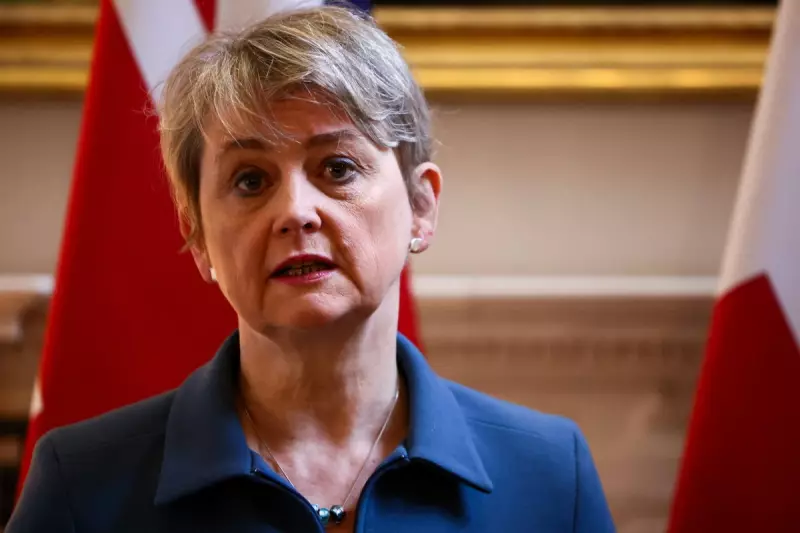
Britain has officially declined to become a signatory to Donald Trump's proposed "Board of Peace" treaty, citing significant concerns about potential Russian involvement in the plan. Foreign Secretary Yvette Cooper confirmed the decision during a media appearance, highlighting broader reservations about the legal framework of the agreement.
Diplomatic Reservations and Russian Involvement
Speaking to BBC Breakfast, Cooper articulated the government's position clearly. "We won't be one of the signatories today, because this is about a legal treaty that raises much broader issues," she stated. The Foreign Secretary emphasised particular unease regarding President Vladimir Putin's potential participation in a peace-focused initiative while Russia's actions in Ukraine continue.
"We do also have concerns about President Putin being part of something which is talking about peace, when we have still not seen any signs from Putin that there will be a commitment to peace in Ukraine," Cooper remarked, underscoring the apparent contradiction.

Alternative Role in Middle East Peace Process
While withholding formal membership, Cooper indicated that the United Kingdom remains committed to supporting peace efforts in Gaza through alternative means. "We strongly support the US president's wider 20-point plan for peace in the Middle East," she affirmed, noting that Britain would engage with international allies to determine a "different supportive role" it could play in the ongoing peace process.
The Foreign Secretary's comments came as world leaders gathered at the World Economic Forum in Davos, Switzerland, where President Trump sought to spotlight the newly formed board. The initiative, initially conceived as a small oversight group for Middle East ceasefire monitoring, appears to have evolved into a more expansive diplomatic framework.
International Participation and Ceremony Details
According to anonymous White House officials, approximately thirty-five nations had agreed to sign the Board of Peace treaty, with invitations extended to sixty countries total. The signing ceremony in Davos witnessed participation from several world leaders, though notable absences were observed.
President Trump was joined by Argentinian leader Javier Milei and Hungarian Prime Minister Viktor Orban, among others, for the formal proceedings. Russian President Vladimir Putin was conspicuously absent from the event, with Moscow indicating it was still consulting with strategic partners before deciding on participation.
Expanded Ambitions Beyond Gaza
During the ceremony, President Trump suggested the board's mission could extend well beyond brokering peace in Gaza. "I think we can spread out to other things as we succeed with Gaza," he told attendees, expressing confidence in the initiative's potential impact.
The American leader criticised the United Nations for perceived inaction in resolving global conflicts, while acknowledging the international body's untapped potential. "Once this board is completely formed, we can do pretty much whatever we want to do, and we'll do it in conjunction with the United Nations," Trump declared, outlining an ambitious vision for the new diplomatic mechanism.
US Secretary of State Marco Rubio characterised the signatory nations as "a group of leaders that are about action," emphasising the practical orientation of the initiative. The UK's decision to abstain from formal membership reflects ongoing diplomatic caution regarding Russia's international engagements and the specific legal architecture of the proposed treaty.