UK to Boycott Trump's Peace Board Launch Over Putin Invitation
UK Boycotts Trump Peace Board Over Putin Invite

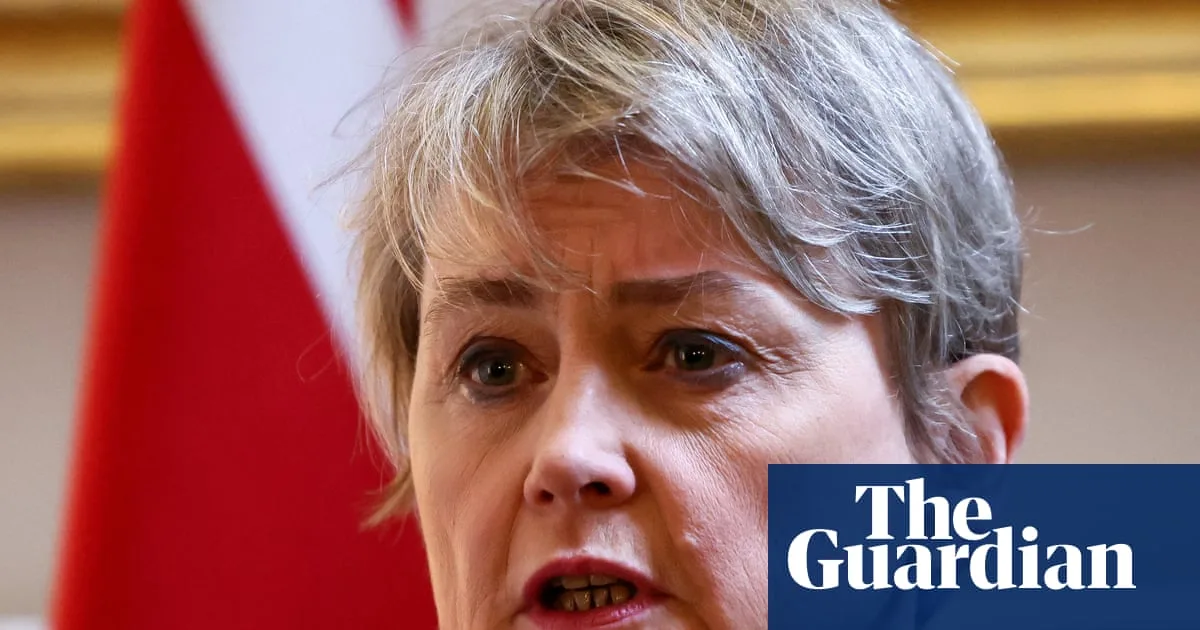
The United Kingdom is poised to formally boycott the signing ceremony for Donald Trump's newly proposed board of peace today, with diplomatic anger directed at the involvement of Russian President Vladimir Putin. Foreign Secretary Yvette Cooper has publicly articulated significant 'concerns' regarding the invitation extended to the Russian leader, whose military forces continue their brutal invasion of Ukraine.

Diplomatic Stand Over Russian Involvement

Ms Cooper, speaking to BBC Breakfast, made the UK's position unequivocally clear. She stated that Britain 'won't be one of the signatories today,' framing the decision around a legal treaty that raises broader geopolitical issues. The Foreign Secretary emphasised the profound contradiction of including Putin in a body ostensibly dedicated to peace while his regime shows no commitment to ending the conflict in Ukraine.

Launch Amidst Global Skepticism

The board, which Donald Trump is expected to launch formally later today at the Davos forum, has already generated considerable international skepticism. Key allies of the United States, including France alongside the UK, have expressed serious doubts about the initiative's purpose and structure. The organisation, reportedly charging a staggering £1 billion fee for permanent membership, has been criticised by some observers as a potential attempt to supplant the established role of the United Nations.

Wide Pickt banner — collaborative shopping lists app for Telegram, phone mockup with grocery list

Despite this resistance, other nations have committed. According to the Trump administration, approximately 35 world leaders have signed up from the roughly 50 invitations dispatched. Notable signatories include Saudi Arabia and Qatar. The board's charter, originally conceived to oversee the post-war reconstruction of Gaza following the Hamas-Israel conflict, notably makes no reference to the ongoing Middle East crisis, adding to questions about its scope and focus.

Contradictory Signals from Moscow

The situation is further complicated by conflicting narratives regarding Russian participation. Donald Trump insisted last night that President Putin had agreed to join the peace board. However, the Kremlin has provided a more cautious response, indicating that it is still studying the formal invitation and has not yet confirmed its involvement. This discrepancy adds a layer of uncertainty to the board's inaugural proceedings.

Broader Diplomatic Context

This development occurs against a backdrop of recent diplomatic friction. A tentative solution was only recently found regarding a bitter international spat over Trump's demands concerning Greenland, averting a potential standoff with allies. Critics now warn that the new peace board initiative risks creating another diplomatic rift, challenging established multilateral frameworks and testing alliances.

The board's membership includes high-profile figures such as former Labour Prime Minister Tony Blair, who is listed as an executive member. Yet, the core issue for the UK remains the fundamental incompatibility of discussing global peace with a leader actively waging a war of aggression in Europe. As Ms Cooper concluded, the international community's focus should rightly remain on securing a genuine commitment to peace from the Kremlin regarding Ukraine.

Pickt after-article banner — collaborative shopping lists app with family illustration