UK Aid Strategy Faces Scrutiny as Territories Gain While Poorest Nations Lose Out
A new analysis has uncovered a stark contrast in the UK's aid distribution, with British Overseas Territories set for a significant funding increase while some of the world's most impoverished nations endure severe cuts. This shift comes amid broader reductions in the UK's aid budget, raising questions about global priorities and moral obligations.
Dramatic Increases for Small Territories
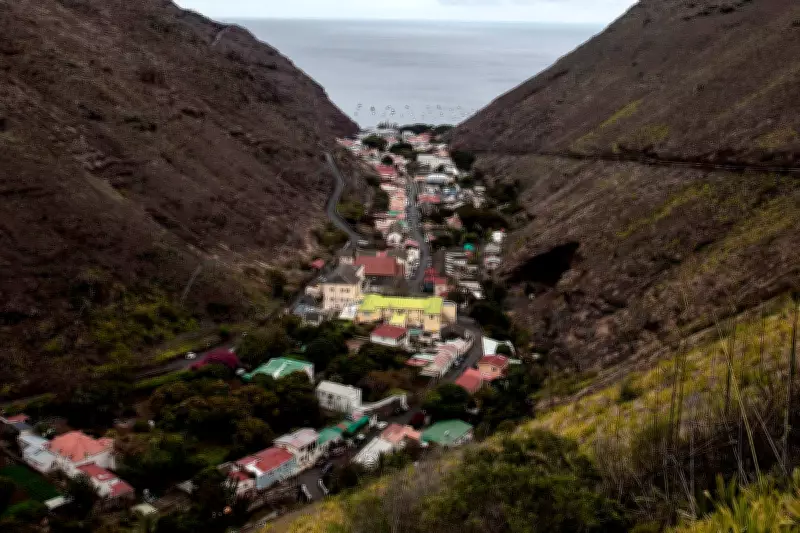
According to research from the Center for Global Development (CGD), three British Overseas Territories – Montserrat, Saint Helena, and Pitcairn – are poised to receive a substantial boost in aid funding. Collectively home to just 8,459 people, these territories will see their allocation rise by 41% to £130 million for the 2026/7 financial year, up from £92 million in 2024/5 and an average of £65 million annually from 2020 to 2024.
Euan Ritchie, an author of the CGD analysis, expressed concern over this allocation. "The FCDO is still choosing to double support to its overseas territories while slashing funds for some of the world's poorest countries, and that is the bit that really jars," he told The Independent. "These are small, relatively wealthy places, yet they are getting around £130 million, about twice what they were getting over the past few years."

Severe Cuts for African Nations
In stark contrast, the African continent, with a population exceeding 1.5 billion, is facing a drastic reduction in UK bilateral aid. Funding is projected to decline by approximately 50% between 2024/5 and 2026/7, dropping from £1.6 billion to £0.8 billion. This reduction follows Prime Minister Keir Starmer's 2025 announcement to cut the UK's aid budget from 0.5% to 0.3% of Gross National Income by 2028, a move intended to bolster defence spending.
Ritchie highlighted the disparity, noting that the £130 million allocated to the territories exceeds the funding for Sudan, a nation grappling with one of the world's worst humanitarian crises and a population over 5,000 times larger.
Eligibility and Wealth Disparities
British Overseas Territories encompass numerous islands across the Pacific, Atlantic, and Caribbean, with many, such as the Cayman Islands and Bermuda, classified as wealthy nations. Only Montserrat and Saint Helena technically remain eligible for overseas aid under Organisation for Economic Co-operation and Development (OECD) criteria, while Pitcairn also receives UK aid despite not being assessed as eligible.
CGD further points out that Montserrat is set to graduate from OECD aid eligibility in 2026 after qualifying as a high-income country for three consecutive years. In a blog post, CGD argued that while aid to these territories has historically been disproportionate, it was previously a minor concern. However, after years of steep cuts to other programmes, this allocation is no longer trivial.
"The UK should find another budget to fulfil its commitments to these territories, rather than taking even more out of an already decimated aid budget," CGD wrote.
Government Response and Historical Commitments
In response to the findings, a spokesperson for the Foreign, Commonwealth and Development Office (FCDO) defended the allocations. "The UK has had a long-standing commitment under successive governments to meet the reasonable needs of non-financially self-sufficient Overseas Territories," the spokesperson stated. "Many are small communities, living on islands that are difficult to access, who are not eligible for support from other aid donors. That assistance reflects both our close historic ties with the OT communities, and our international and constitutional obligations."
This analysis emerges as part of The Independent's Rethinking Global Aid project, shedding light on the complex dynamics of international aid distribution and the ethical considerations underpinning UK policy decisions.