UK Government Accuses Russia of Navalny Murder Using Dart Frog Toxin
The UK Government has made a stark announcement, claiming that Russian opposition politician Alexei Navalny was murdered in a Russian prison using a lethal toxin derived from an Ecuador dart frog. This revelation comes as Foreign Secretary Yvette Cooper attends the Munich Security Conference, where she met with Navalny's widow, Yulia Navalnaya, to reflect on his legacy.
Foreign Secretary's Statement on the Alleged Assassination
Foreign Secretary Yvette Cooper stated emphatically, "Since Yulia Navalnaya announced the loss of her husband here in Munich two years ago, the UK has pursued the truth of Alexei Navalny's death with fierce determination." She added, "Only the Russian Government had the means, motive and opportunity to deploy this lethal toxin against Alexei Navalny during his imprisonment in Russia. Today, beside his widow, the UK is shining a light on the Kremlin's barbaric plot to silence his voice."
Cooper further explained that Russia viewed Navalny as a significant threat, and by employing this specific form of poison, the Russian state demonstrated both the despicable tools at its disposal and its overwhelming fear of political opposition. The use of a dart frog toxin, known for its potency and rarity, underscores the calculated nature of the alleged assassination.

International Response and Accountability Measures
In response to this alleged breach, the UK has formally informed the Organisation on the Prohibition of Chemical Weapons (OPCW) of Russia's blatant violation of the Chemical Weapons Convention. This move highlights the UK's commitment to holding Russia accountable for its actions on an international stage.
The UK Government, alongside its global partners, has pledged to continue pursuing justice and accountability for Navalny's death. This includes diplomatic efforts and potential sanctions aimed at condemning the Kremlin's actions and preventing similar incidents in the future.
Context and Implications of the Allegations
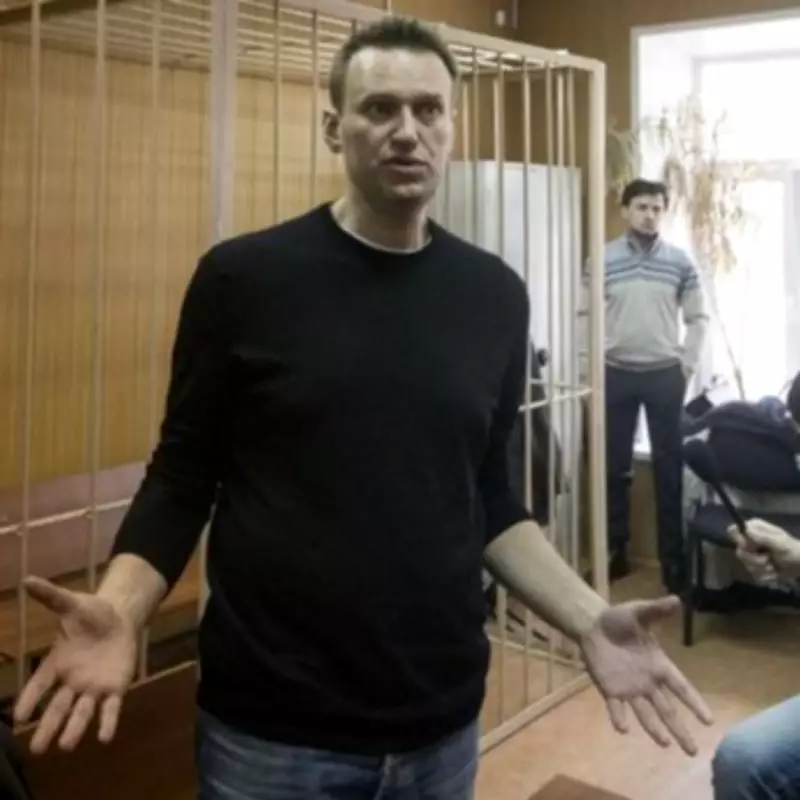
Alexei Navalny, a prominent critic of the Russian government, died under suspicious circumstances in a Russian prison. The UK's claim that his death resulted from a dart frog toxin poisoning adds a new layer of complexity to the case, suggesting a premeditated and covert operation by state actors.
This announcement not only aims to expose the alleged brutality of the Russian regime but also serves to rally international support against such tactics. It reinforces the UK's stance on human rights and political freedoms, positioning it as a vocal opponent of authoritarian practices.
The meeting between Foreign Secretary Cooper and Yulia Navalnaya in Munich symbolizes the ongoing solidarity with Navalny's family and the broader opposition movement in Russia. It underscores the personal and political dimensions of this tragedy, linking it to global security discussions at the conference.