Tyra Banks Confronts Controversial 'Race Swap' Challenge in New Documentary
Supermodel and television personality Tyra Banks has broken her years-long silence regarding the highly controversial 'race swapping' challenge featured on her reality competition series America's Next Top Model. The 52-year-old former model has faced sustained criticism from viewers for including a culturally insensitive task that required contestants to embody different ethnicities through makeup and clothing.
The Controversial Photoshoot That Sparked Backlash
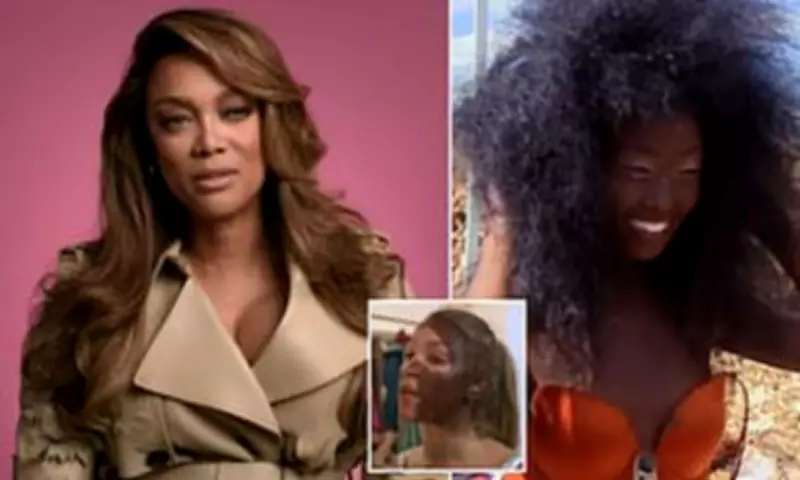
During the show's fourth season, which originally aired in 2005, aspiring models participated in a photoshoot where they were instructed to portray various ethnic backgrounds, including East Indian, African American, and Eskimo. In these scenes, contestants painted their faces black and donned traditional native clothing while attempting to emulate racial stereotypes through their poses and expressions.
Banks has now directly addressed the numerous problematic elements of her reality competition show in the new three-part Netflix documentary titled Reality Check: Inside America's Next Top Model. Shockingly, the program would later include the controversial race swap challenge again in 2007 during its ninth cycle, bringing back the same culturally insensitive task for another iteration.

Banks' Defense and Subsequent Realization
'I didn't think it was controversial,' Banks stated in the documentary, initially defending her decision to include the challenge. 'I was in my own little bubble in my own little head. This was my way of showing the world that brown and black is beautiful. But then we put it out there and the world was like, are you crazy? Have you lost your mind?'
The former host and executive producer acknowledged that she now understands the significant cultural implications of race-swapping, stating: 'Looking at the show now with the 20:20 lens, it's an issue and I understand 100 percent why.'
Banks previously explained through a representative to Entertainment Weekly that the original intention behind the 'race swap' photoshoot was to challenge modeling industry standards where 'lighter skin and straight hair were pervasive beauty standards.'
Legacy of America's Next Top Model
America's Next Top Model originally aired from May 2003 to April 2018, featuring young aspiring models competing in various contests, runway shows, and photoshoots as they vied for the competition title and a modeling contract. Created by Banks, who also served as an executive producer, the series became one of the most successful reality shows of all time.
However, in recent years, many critics and viewers have highlighted that the series contained numerous controversial moments beyond the race swap challenge, prompting broader conversations about representation and cultural sensitivity in reality television programming.
Additional Revelations in the Documentary
Elsewhere in the documentary, scheduled for release on February 16, Banks reflects on another viral moment from the show where she shouted at contestant Tiffany Richardson that she was 'rooting for her.' Unpacking the scene that originally aired in 2006, the former host realized her behavior was inappropriate and explained her emotional state during that confrontation.
'I just wanted to change this woman's life,' she said regarding Richardson. 'I felt like she could have been a supermodel with a capital S. I went too far, I lost it. It was probably bigger than her, it was family, friends, society, black girls, all the challenges that we have, so many people saying we're not good enough. I think all that stuff was there in that moment. That's some black girl stuff that goes real deep inside of me but knew I went too far.'
The documentary provides unprecedented insight into Banks' reflections on her groundbreaking but controversial television series, offering viewers a comprehensive examination of both the cultural impact and problematic elements that have defined the legacy of America's Next Top Model in the years since its conclusion.