Donald Trump has issued a chilling ultimatum to Iran, threatening that a "whole civilisation will die tonight" if the country's leadership does not open the Strait of Hormuz by his 8pm Eastern deadline. The US President's post on his TruthSocial platform has sparked global condemnation and heightened fears of escalating military conflict in the Middle East.
Trump's Deadline Diplomacy
The American leader set a specific deadline for Iranian capitulation, warning in his social media message: "I don't want that to happen, but it probably will. We will find out tonight, one of the most important moments in the long and complex history of the World." This dramatic statement comes as Trump's war against Iran has raged for more than a month, demonstrating significant US military might while Iran has maintained its blockade of the crucial oil shipping lane.
Global Reactions and Economic Impact
The President's latest threat has been met with widespread condemnation, including from prominent media figure Piers Morgan, who branded the statement as "a brazen pre-admission of genocide against the Iranian people, which would obviously be a war crime." The ongoing conflict has already caused significant economic disruption, with the price of oil spiking across global markets due to the Strait of Hormuz blockade.

Body Language Analysis Reveals Deeper Meaning
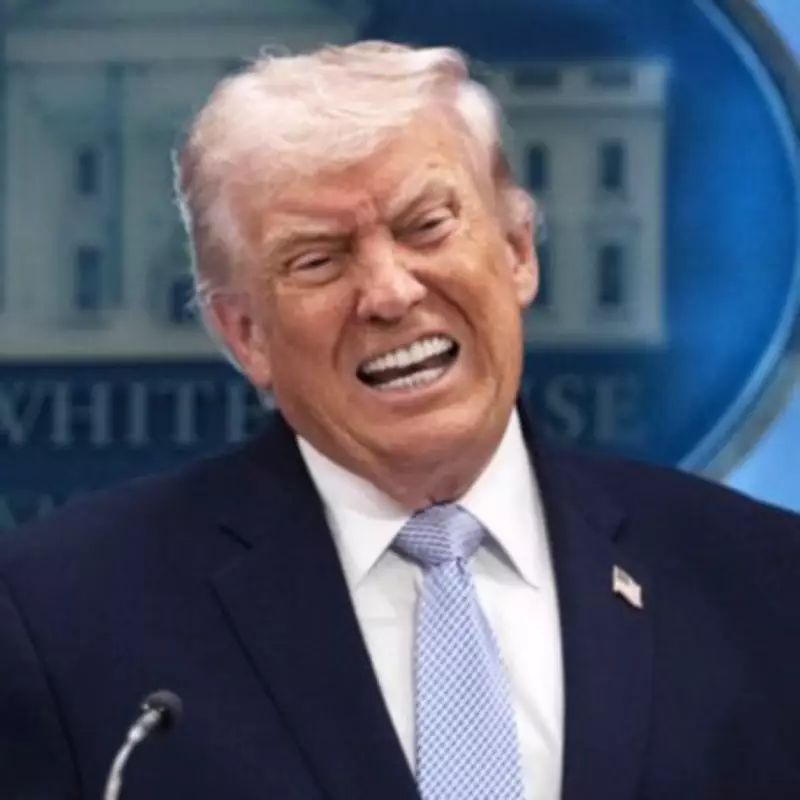
Body language expert Judi James has analyzed Trump's social media post and identified subtle clues that suggest the threat may be more "hyperbolic" than substantive. According to James, the wording appears crafted to create "brinkmanship" aimed at achieving a sudden truce rather than signaling imminent military action.
Decoding the Language Choices
"Trump has clearly opted to create a sense of indecision that seems to imply 'it's your call'," James explained. "The word 'probably' in 'but it probably will' happen; the words 'We will find out tonight' and the use of capitals for his 'WHO KNOWS?' seem crafted to suggest it is up to the other side here."
The expert noted that while the tone of anger from previous posts has subsided, the message remains chilling in its implications. James highlighted the unusual nature of using social media for such grave announcements, stating: "It's hard to equate a social media post like this with the kind of terms and implications it implies. It's a method of communication we all normally use for less formal thoughts like wishing each other a Happy Easter or discussing reality TV shows, along with our GIFs and emojis, not to announce 'A whole civilization will die tonight'."
Strategic Implications of the Conflict
The ongoing standoff represents a critical moment in US-Iran relations, with Trump appearing increasingly determined to unleash the full force of the American military if his demands are not met. However, Iran's remaining leadership has demonstrated resilience by maintaining control over the Strait of Hormuz, a vital maritime passage through which approximately one-fifth of the world's oil passes.
Psychological Dimensions of the Crisis
James's analysis suggests that Trump's communication style may reveal underlying frustrations with the progress of the conflict. "You can almost see the shrug when he writes 'I don't want that to happen'," she observed, indicating potential uncertainty about the outcome despite the aggressive rhetoric.
The body language expert's interpretation raises questions about whether Trump's latest threat represents genuine escalation or strategic posturing designed to pressure Iran into negotiations. As the deadline approaches, global observers await the outcome of what Trump has described as "one of the most important moments in the long and complex history of the World."