World on Edge as Trump's Iran Strikes Trigger Middle East Conflict
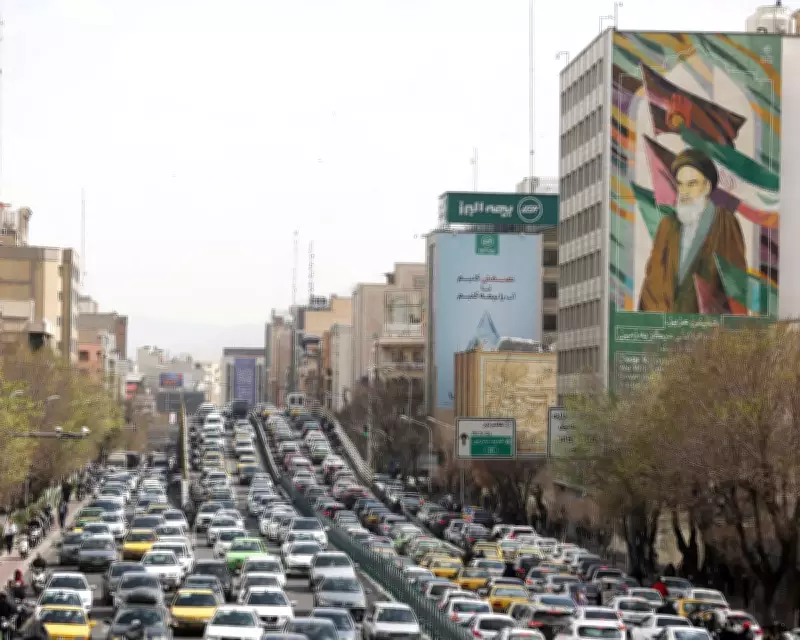
In a dramatic escalation of hostilities, US and Israeli forces launched coordinated strikes on Iran on 28 February 2026, leading to blocked roads and explosions in Tehran. This aggressive move has plunged the Middle East into a state of war, with immediate repercussions felt across the region.
Reckless Intervention Sparks Global Alarm
The attack, ordered by President Donald Trump in collaboration with Israel, has been widely condemned as a foolish and reckless act. Critics argue that it mirrors past failed interventions, such as the invasions of Afghanistan and Iraq, by lacking clear objectives and ignoring international law. The strikes have already resulted in civilian casualties, orphaned children, and torn families, seeding new hatreds and sowing terrorist vendettas.
Regional turmoil has intensified, with Iranian retaliation underway and potential backing from allies like Hezbollah and the Houthis. This has triggered panic in international oil markets and threatens to destabilise the entire area. The west's adversaries are rejoicing, while little of enduring value is expected to be achieved from this military action.

Historical Parallels and False Justifications
The similarities between Trump's siege of Iran and George W. Bush's 2003 invasion of Iraq are striking. Both crises fit a pattern of costly US interventionism, dating back to Vietnam and the 1953 CIA-led coup in Iran. Trump, who once promised to avoid foreign adventures, has now embraced this imperial hubris, scolding normal excuses for armed intervention.
Like Bush, Trump has manufactured a crisis founded on falsehoods. His unsubstantiated claims about Iran's nuclear capabilities and ballistic missiles recall the infamous false assertions about Saddam Hussein's weapons of mass destruction. Israel's portrayal of the strikes as "pre-emptive" is misleading, as there is no evidence Iran was planning an attack; in fact, Tehran had been seeking to preserve peace after previous onslaughts.
Unrealistic Demands and Dangerous Rhetoric
Prior to the attack, Trump refused to define his aims, despite warnings from Arab and European allies about regional conflagration. His stated demands now border on delusional, including obliterating Iran's nuclear facilities, destroying its ballistic missiles, and dismantling the Islamic Revolutionary Guards Corps. He has also openly encouraged the Iranian people to overthrow their government, an irresponsible invitation that could lead to anarchy and civil war.
Trump's rhetoric, calling for a national insurrection, ignores the sensible reasons why previous presidents avoided such recklessness in Iran. This move risks fracturing the Iranian state along ethnic and religious lines, drawing in regional powers and causing catastrophic consequences.
Broader Implications and Future Outlook
Ben Rhodes, former deputy national security adviser to Barack Obama, warns that Trump reflects the worst impulses of American exceptionalism, posing a greater danger to global stability. The attack was planned secretly while negotiations in Geneva were ongoing, revealing a charade in diplomatic efforts.
It remains unclear how this intervention will end. Although leadership targets, including Supreme Leader Ayatollah Ali Khamenei, are reportedly under attack, a sudden government collapse is improbable. Iran cannot be bombed into democracy, and its defiance of the west will persist as long as clerical leaders remain in power.
Despite the conflict, common ground exists for peaceful coexistence based on democratic principles and individual rights. The vast majority of Americans and Iranians share a common foe in tyranny, with their leaders being the primary problem. There is no need for this fight, and the world watches anxiously as the situation unfolds.