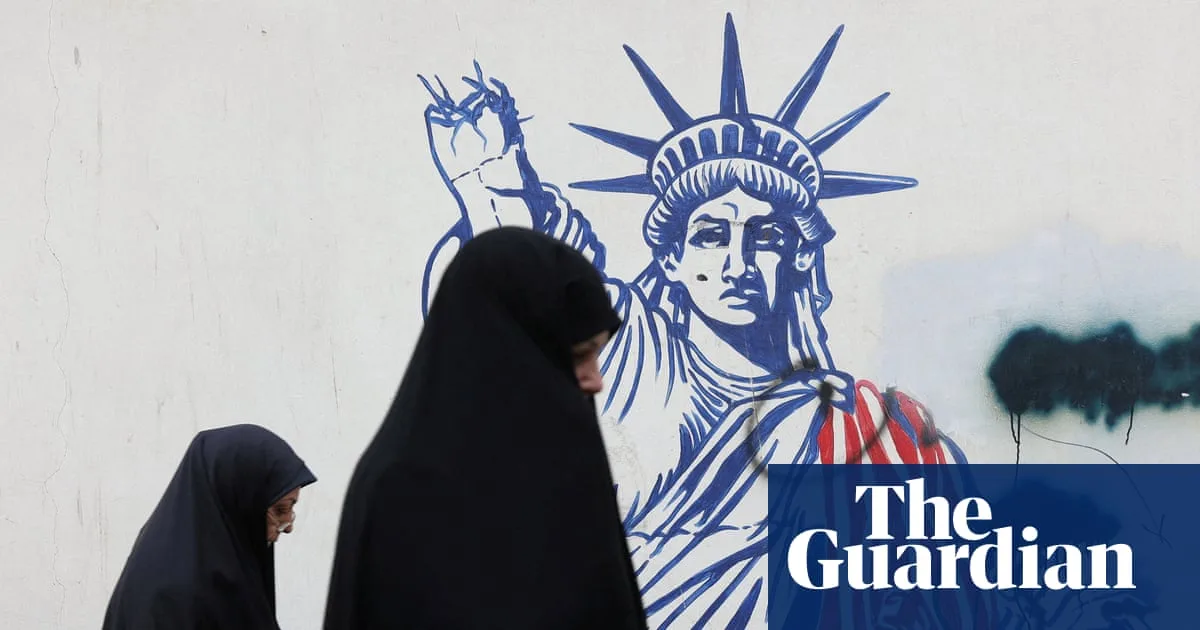
Iran is heading into negotiations with the United States on Friday with a surprisingly bullish stance, despite significant weakening from airstrikes, sanctions, and domestic unrest. Tehran’s maximalist positions appear little changed from those before talks were halted by the Israeli attack on Iran last June.
Since then, Iran has suffered severe blows: a 12-day war with Israel exposed vulnerabilities in its air defences and intelligence penetration, with over 30 military commanders killed and 160 strikes on military targets. In June, the US hit three major nuclear sites, crippling the programme, and UN-wide sanctions were reimposed in September. Trump tightened the screw further in January with a 25% tariff on countries trading with Iran.
The economic impact has been stark: the rial has more than halved against the dollar, and food inflation nears 100%. These factors sparked nationwide protests in January, met with deadly force by security services. Yet Iran’s diplomats act as if they can dictate the talks’ parameters, venue, and main topic.
Analysts suggest Tehran believes Trump will not follow through on military threats due to the risks of messy, costly conflict. Hamidreza Azizi of the German Institute for International and Security Affairs noted a consensus among Iran’s security elite that Trump wants to avoid prolonged wars, so Iran aims to make any conflict as unpredictable and expensive as possible.
Moreover, Iran doubts Trump has a strategy for regime change or links to the opposition. US Secretary of State Marco Rubio recently admitted the US lacks a plan for post-regime Iran, comparing it to Venezuela but acknowledging it would be even more complex. This perceived lack of a US strategy bolsters Tehran’s confidence.