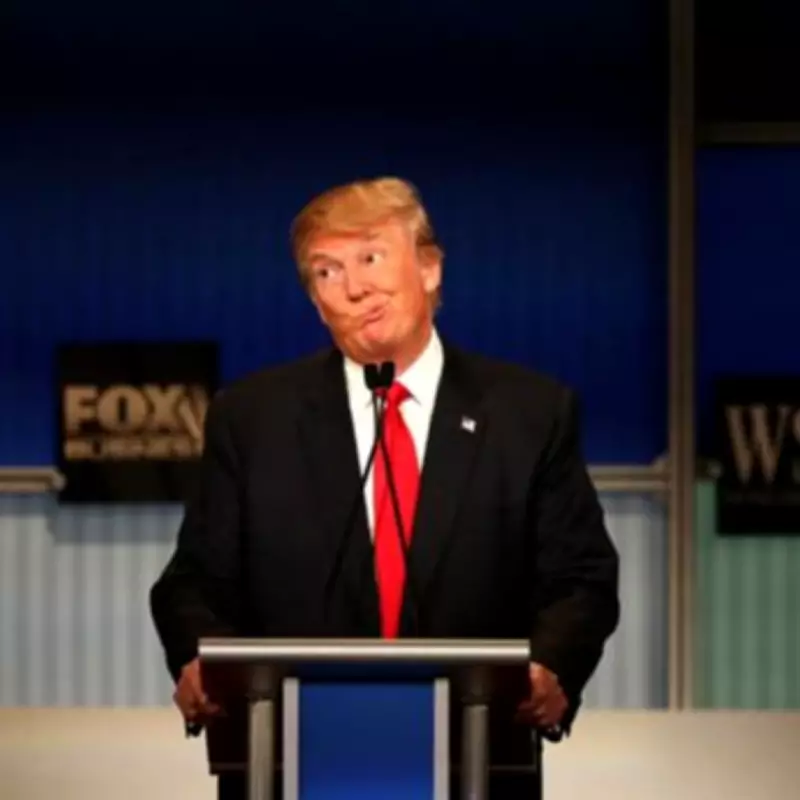
Trump's Iran Deadline Bluster Set for Retreat Dressed as Victory
Donald Trump's self-proclaimed "Power Plant Day" ultimatum to Iran represents a stark example of empty brinkmanship, poised to be abandoned before being repackaged as a fabricated triumph. This move underscores a presidency driven by impulse and bravado, rather than coherent foreign policy, revealing a reckless approach devoid of strategy, credibility, or competence.
Ego Over Strategy in Foreign Policy
If ego were strategy and stupidity a substitute for competence, Donald Trump might be hailed as a formidable political thinker. Instead, his "Power Plant Day" deadline reads like the fantasy of a man who believes global conflicts bend to his personal branding. He has named a day, set a clock, promised apocalypse, and apparently convinced himself the world will rearrange itself because he typed it in capital letters. This is not strategic thinking; it is narcissism dressed up as statesmanship, the delusion that bluster is leverage and history awaits his cue.
All this unfolds despite warnings that following through on his threats could constitute war crimes. Trump has set a midnight deadline, vowing to unleash "hell" and threaten to send Iran back to the "Stone Age." These are not the words of a leader with a plan; they are the reflexes of a bully who believes volume equals leverage. There is no evidence of diplomatic groundwork, allied consensus, clearly articulated objectives, proportionality, or recognition of consequences. Just a clock ticking toward midnight and a president improvising threats as if war were a reality show finale.

Chaos Confused with Strength
This is the defining feature of Trump's leadership: he confuses chaos with strength. He is now boxed in, circling for an exit that does not exist. His usual playbook has collapsed. Bluffing, changing the subject, smarming, and self-promotion will not save him. Even the hope of a deep-pocketed benefactor riding to the rescue looks exhausted. One by one, escape hatches slam shut, leaving a leader flailing, out of moves and ideas.
So, he escalates rhetorically. In a social media post, he declared, "Tuesday will be Power Plant Day, and Bridge Day, all wrapped up in one, in Iran. There will be nothing like it!!!" before descending into crude threats: "Open the F*****' Strait, you crazy b******s, or you'll be living in Hell - JUST WATCH!" Then, in a surreal flourish, he added "Praise be to Allah" and signed off with his name, less a presidential directive than a stream-of-consciousness rant.
Iran's Measured Response and Global Repercussions
Iran, however, appears to have gauged Trump's tactics accurately. They are not bowing to his will, scrambling to meet his deadline, or panicking. Tehran understands something Washington's allies increasingly recognise: Trump's threats are often performances designed for markets and domestic politics as much as for adversaries. They have watched this pattern repeatedly—the dramatic ultimatum, the deadline, the tension, and then the pivot to an unverifiable "victory." Instead, they taunt him with memes depicting his madness.
For America, Trump is not merely embarrassing; he is dangerous. Markets move when presidents speak, with oil prices reacting, shipping insurance surging, and investors scrambling. Trump's threats function as instruments of volatility. He creates the crisis, watches markets wobble, and then prepares the inevitable climbdown dressed up as triumph. This is governance by manipulation—policy as theatre designed to produce headlines rather than results.
The Inevitable Retreat and Its Consequences
That is why "Power Plant Day" is destined to become another example of TACO Trump—Trump Always Chickens Out. Midnight will pass without the promised inferno. Iran will not be reduced to rubble. Instead, Trump will emerge claiming success, citing "quiet talks," "massive concessions," and "progress" visible only to him. The American people will be told he forced Tehran to blink, even if nothing has changed.

But the alternative is worse. If Trump follows through on threats to destroy power plants and bridges, the effects would be catastrophic, risking humanitarian disaster, regional escalation, and global economic shock. It is not clever coercion; it is recklessness masquerading as toughness. The difference between deterrence and illegality is not bound by a midnight deadline.
Accountability Beyond Rhetoric
This leads to the one arena Trump cannot manipulate: the International Criminal Court. The Hague is a court he cannot influence with insults or slogans. The laws governing armed conflict do not bend to his MAGA rhetoric. If rhetoric becomes action, accountability does not vanish because the president declares victory. What makes this episode especially damning is not just the threat itself, but the emptiness behind it.
A serious leader builds alliances, defines objectives, calibrates escalation, and prepares diplomatic off-ramps. Trump does none of that. He improvises, threatens, sets deadlines, and then waits to see what happens. It is foreign policy conducted like a casino bet—loud, impulsive, and fundamentally destined to lose. It is not strength; it is clueless leadership wrapped in bravado, with a president having no policy, discipline, or understanding of consequences threatening war while hoping to claim credit for peace.
Whether midnight brings retreat or catastrophe, the indictment remains the same: a reckless strongman improvising global crises and calling it leadership. It is difficult to believe America voted him in, highlighting the perils of ego-driven governance on the world stage.