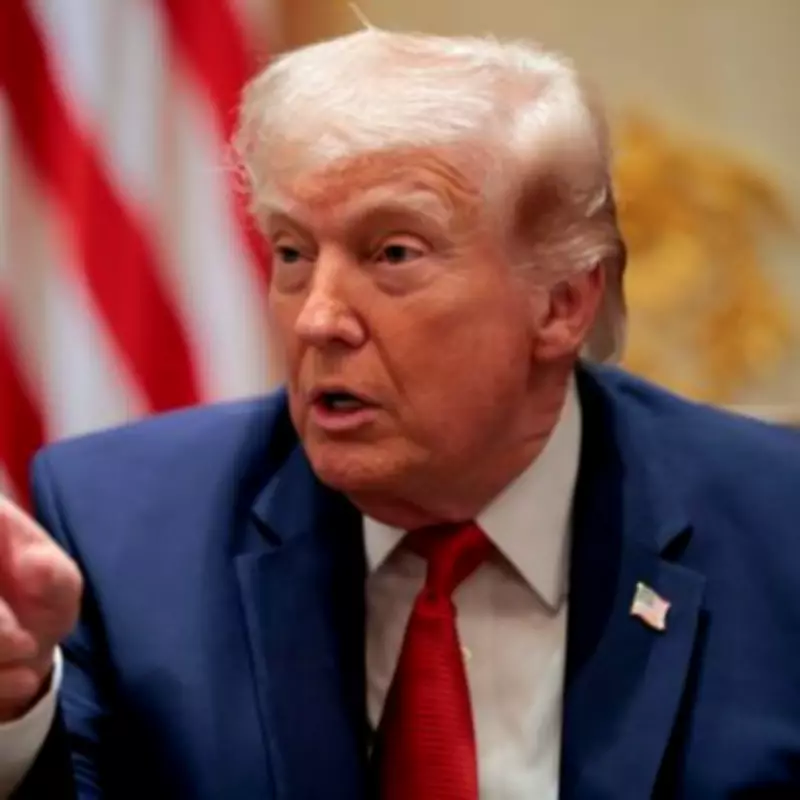
Iran Rejects Trump's Ceasefire Ultimatum as Deadline Passes
Iran has formally rejected calls for a temporary ceasefire to reopen the strategic Strait of Hormuz, dismissing a 10-day ultimatum set by former US President Donald Trump that expired on Tuesday night. The rejection comes amid escalating threats from Trump, who vowed to unleash "hell" on Iran and "blow up the entire country" if the deadline was not met.
Trump's Aggressive Threats and Extended Deadline
In a series of inflammatory posts on Truth Social, Trump intensified his rhetoric, threatening to target Iran's power plants and bridges. "Tuesday will be Power Plant Day, and Bridge Day, all wrapped up in one, in Iran," Trump wrote, adding, "Open the F**kin' Strait, you crazy b*stards, or you'll be living in Hell - JUST WATCH!"
Originally issued on March 26, the deadline was reportedly extended to 8pm ET on Tuesday (1am Wednesday UK time) in a subsequent social media update. Trump's demands centered on Iran reopening the Strait of Hormuz, a critical global oil transit route, in exchange for a temporary pause in hostilities.

Iran's Firm Stance Against Ultimatums
An unnamed senior Iranian official stated that Tehran is reviewing a proposal from Pakistan for an immediate cessation of fighting but remains skeptical of Washington's commitment to a permanent ceasefire. Esmaeil Baghaei, a spokesperson for Iran's foreign ministry, emphasized that negotiations cannot proceed under threats. "Negotiations were incompatible with ultimatums and threats to commit war crimes," Baghaei declared during a press conference.
He further asserted that Iran's willingness to outline its demands should not be seen as weakness. "Iran does not hesitate to clearly express what it considers its legitimate demands and doing so should not be interpreted as a sign of compromise, but rather as a reflection of its confidence in defending its positions," Baghaei explained, noting that a formal response would be released in due time.
Regional Diplomacy and the Islamabad Accord
Amid the tensions, a diplomatic initiative known as the "Islamabad Accord" has emerged, reportedly crafted by Pakistan and shared with both Iran and the US. This two-tier proposal aims to facilitate the reopening of the Strait of Hormuz and establish a framework for peace. According to sources, the plan includes discussions for a 45-day ceasefire as part of a broader two-phase deal to end the conflict, as previously reported by Axios.
However, Iran's leadership remains cautious, with officials indicating that they will not be pressured into accepting deadlines or making hasty decisions. The stalemate underscores the deep-seated mistrust between the two nations, with Iran questioning the sincerity of US intentions for a lasting resolution.
As the deadline lapses without compliance, the situation remains volatile, with Trump's threats casting a shadow over any potential diplomatic breakthroughs. The international community watches closely, aware that the Strait of Hormuz's closure could have severe implications for global oil markets and regional stability.