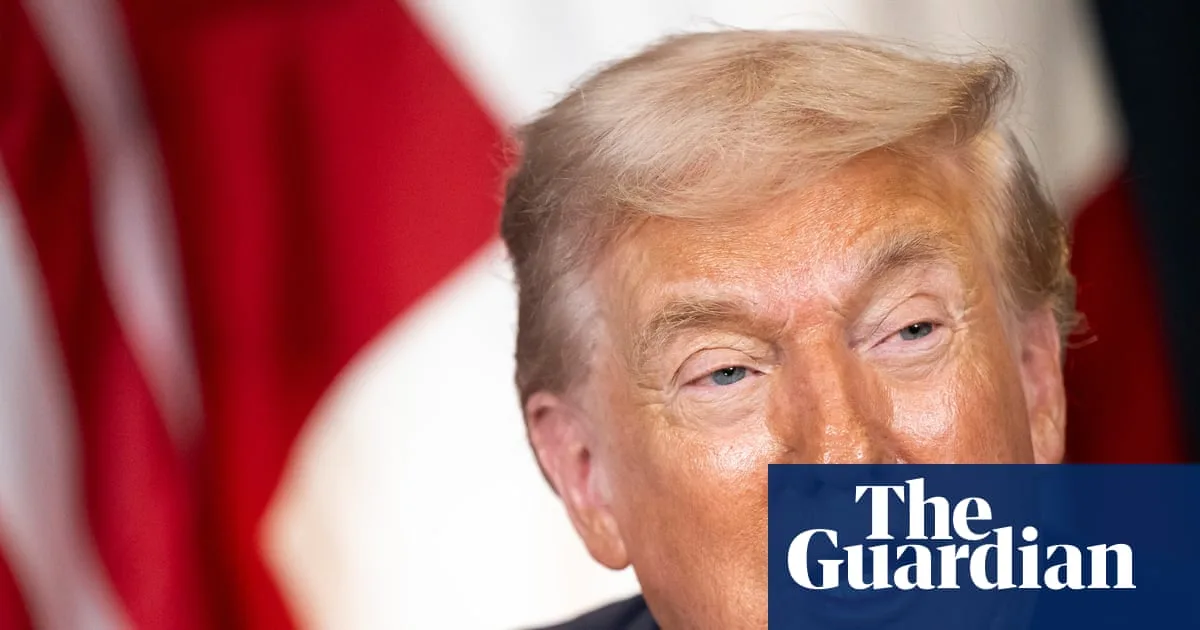
Former US President Donald Trump made headlines at the 56th annual meeting of the World Economic Forum in Davos, Switzerland, on 21 January 2026, with a speech that underscored his unconventional and emotionally charged approach to international relations.
From Roosevelt to Trump: A Shift in Diplomatic Tone
Theodore Roosevelt, the 26th president of the United States, famously advocated for "speak softly and carry a big stick" in foreign policy, a strategy that earned him a Nobel Peace Prize in 1906 for mediating the end of the Russo-Japanese War.
In stark contrast, Trump's second term has been marked by what critics describe as a "speak hysterically and threaten to use a big stick" methodology. This aggressive stance has yet to garner any peace accolades, though Trump has repeatedly expressed indifference to such honours.
Greenland Grab Dominates Davos Discourse
Trump's speech at Davos was heavily focused on his persistent efforts to acquire Greenland, an autonomous territory within the Kingdom of Denmark. He asserted that the United States is entitled to Greenland due to its defence of the Arctic region during World War II and subsequent return to Denmark, claims that have been widely debunked by historians.
During his address, Trump occasionally confused Greenland with Iceland and argued that the US deserves compensation for its contributions to NATO, alleging that the alliance has provided "absolutely nothing in return." He questioned NATO's reliability, stating uncertainty over whether member states would assist the US if attacked, despite Article 5 being invoked only once—in support of America after the 9/11 attacks.
Contradictions and Concerns in Trump's Statecraft
Amid the bluster, Trump offered a sliver of reassurance by declaring, "I won't use force" in pursuing Greenland, contradicting earlier White House hints at military action. However, his track record raises alarms; he previously threatened Venezuela's Nicolás Maduro before invading and capturing him, and employed similar tactics against Iran, potentially breaching international law.
Trump's pre-Davos comments included a "no going back" stance on seizing Greenland and assertions that the UN and NATO pose greater threats to the US than China or Russia, further unsettling allies.
Economic Threats and Transatlantic Tensions
While military force has not been deployed in Europe, Trump has wielded economic pressure, proposing a 200% tariff on European wine and champagne. This move, ironic given his personal abstinence from alcohol, targets industries and could escalate trade wars.
The European Union has threatened retaliation with tariffs on American whiskey, much of which is produced in Republican-leaning states, potentially alienating European consumers. Previous EU tariffs on American beer had minimal impact due to perceived quality issues.
The Legacy of Trump's Unpredictable Diplomacy
In his first term, much of Trump's rhetoric remained unacted upon, but his second term has demonstrated a tangible appetite for foreign intervention. His hot-blooded approach continues to harass key US allies, leaving the international community uncertain about how far he will go.
As Trump's statecraft evolves, it rattles traditional diplomatic norms and poses ongoing challenges for global stability, with his Davos performance serving as a potent reminder of his disruptive influence on world affairs.