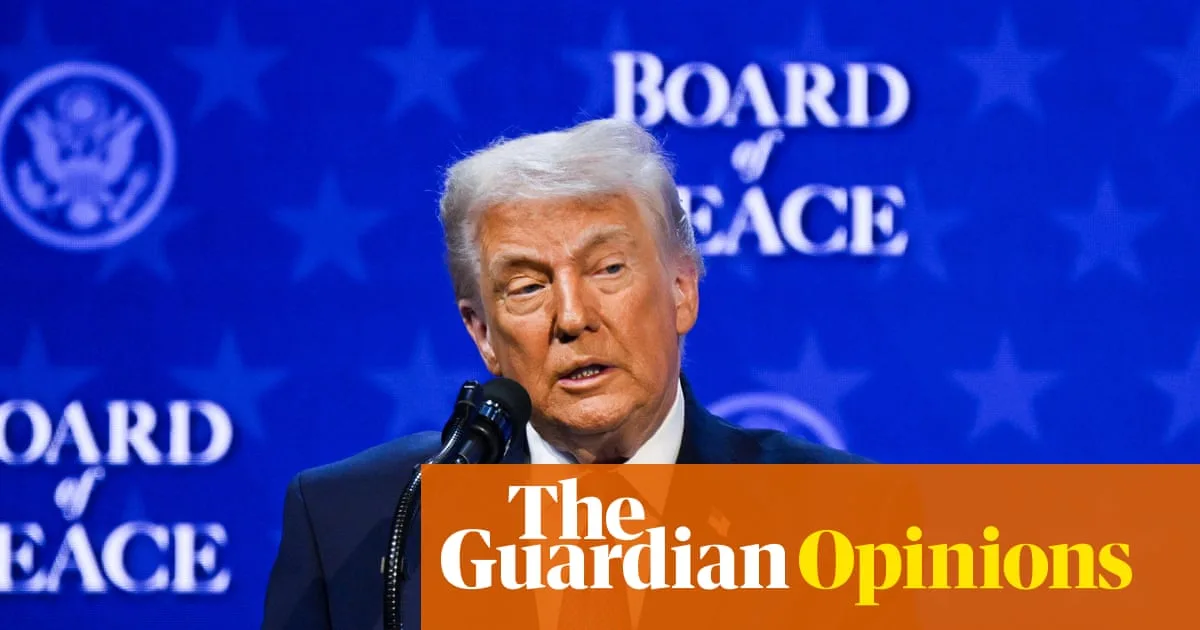
Donald Trump's abrupt U-turn on Greenland, announced during his Davos speech, has temporarily defused a crisis that had escalated over several days. The US president had previously refused to rule out military action to annex the Arctic island, but in his address he stated he would not use force, later claiming an unspecified deal had been reached. The agreement, reportedly involving Nato Secretary General Mark Rutte, preserves Greenland's sovereignty within the Kingdom of Denmark while allowing discussions on Arctic security and mineral rights.
The reversal came after European leaders signalled they would not be pushovers, triggering market turbulence. Analysts note that Trump's retreat mirrors his behaviour during the spring 2025 'liberation day' trade war, when a market freefall and China's firm stance forced him to back down. This time, even the hint of European retaliation in a trade conflict sent shivers through financial markets, prompting Trump to step back from the brink.
European leaders had spent a year trying to appease Trump through diplomatic gestures, trade concessions, and pledges to raise defence spending to 5% of GDP. However, these efforts failed to secure US support on Ukraine or commitment to European security. Trump has continued to humiliate Ukrainians and mock Europeans, while refusing to pressure Russia. His Davos statement that 'no one defends what they don't own' effectively undermined Nato's Article 5 collective defence clause.
The lesson for Europe is clear: strongmen understand only strength. While Europe lacks the leverage of China, it does possess some economic cards. The crisis over Greenland has demonstrated that firmness, not appeasement, is the only language Trump respects. European leaders must now prepare for the next confrontation, as Trump's fickleness ensures another crisis is imminent.