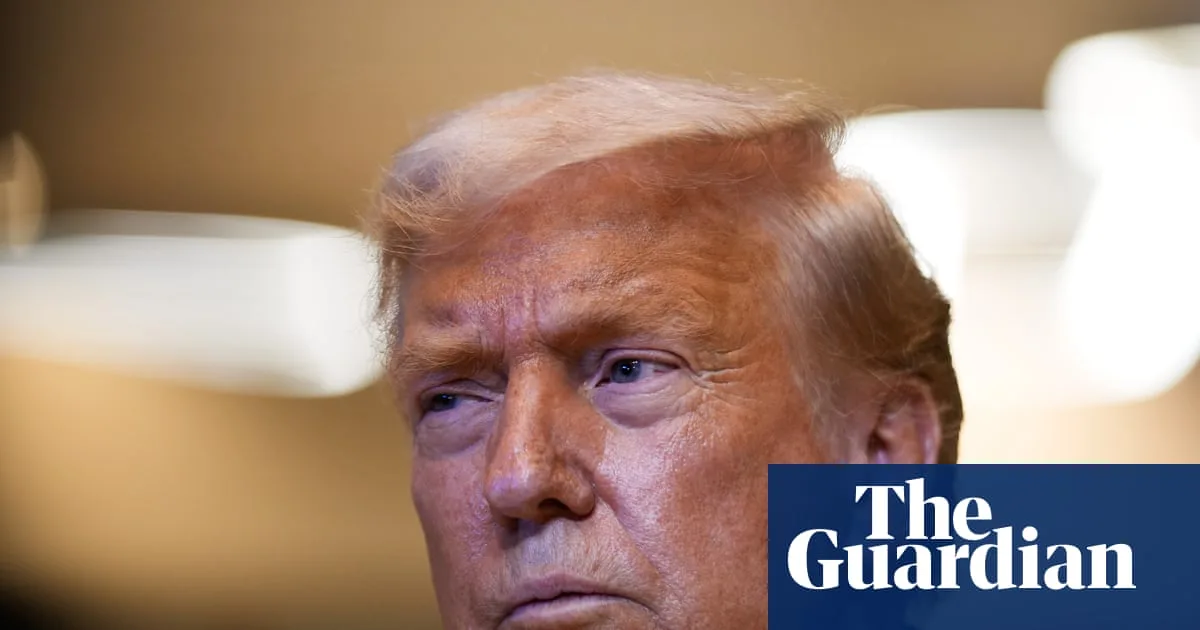
Former US President Donald Trump has declared that a "framework of a future deal" regarding Greenland has been established, yet this announcement has been met with significant scepticism from NATO representatives and Danish parliamentarians. Both groups have emphasised that substantial work remains to finalise any agreement, casting doubt on the immediacy and substance of Trump's claims.
NATO and Danish MPs Voice Concerns Over Unfinished Work
In the wake of Trump's statement, NATO Secretary-General Mark Rutte issued a cautious note, stating that there is "a lot of work to be done" before any deal can be solidified. Rutte's comments underscore the preliminary nature of the discussions, with key details still unresolved. When questioned by Fox News about whether Greenland would remain part of the Kingdom of Denmark under the proposed framework, Rutte indicated that this critical issue had not been addressed in the talks, leaving a major gap in the agreement's scope.
Greenland's Exclusion from Negotiations Sparks Anger
Danish MPs have expressed frustration over Greenland's apparent sidelining in the negotiations. Sascha Faxe, a Danish parliamentarian, criticised the process, describing it as "not real negotiations" but rather a conversation between two men. She emphasised that any legitimate deal must include Greenland as an active participant, highlighting the territory's autonomy and rights. This sentiment reflects broader concerns about sovereignty and representation in international discussions involving Greenland.
Details of the Proposed Framework and Its Implications
According to media reports, the compromise framework could grant the US sovereignty over small areas of Greenland where military bases are located, akin to the UK's military bases in Cyprus. Additionally, the deal might allow the US to mine for rare earth minerals without seeking permission from Denmark. However, these proposals have been met with resistance from Greenlandic representatives. Aaja Chemnitz Larsen, a Greenlandic member of the Danish parliament, firmly stated that NATO should have no say in Greenland's sovereignty or mineral resources, calling such ideas "completely out of the question."
Market Reactions and Political Responses
Trump's announcement coincided with a rebound in global financial markets, which had experienced a sharp selloff following his earlier hawkish comments on Greenland. Analysts noted that the market recovery was linked to Trump's decision to withdraw threats of tariffs against eight European countries and his softened stance on military intervention. Mark Hackett, chief market strategist at Nationwide, observed, "The market bounced when he said we wouldn't use force," while financial analyst Matthew Smart commented that "uncertainty just got priced out." This pattern aligns with Trump's historical tendency to escalate threats only to pull back when market pressures mount, a phenomenon previously dubbed "Taco" (Trump Always Chickens Out) by the Financial Times.
European Leaders and International Perspectives
European leaders have responded with a mix of relief and caution. Danish Foreign Minister Lars Løkke Rasmussen welcomed the de-escalation, stating, "The day ended better than it started," and called for discussions to address American security concerns in the Arctic while respecting Denmark's red lines. Italian Prime Minister Giorgia Meloni also expressed approval of Trump's decision. However, Sweden's Foreign Minister Maria Stenergard emphasised that European allies' efforts had "had an effect" and reiterated their refusal to be "blackmailed," reflecting ongoing tensions in transatlantic relations.
Scepticism in Greenland and Broader Criticisms
In Greenland itself, Trump's announcement was greeted with deep scepticism. Residents interviewed by AFP expressed disbelief, with one man in the capital Nuuk bluntly stating, "He's lying," and a care worker named Anak asserting, "Greenland belongs to the Greenlanders." This local distrust highlights the cultural and political complexities of any deal involving the territory. Meanwhile, critics like former US Ambassador to Russia Michael McFaul suggested that Trump's change in tone resulted from combined pressures, including united European opposition, market volatility, and public opinion, which collectively thwarted his more aggressive ambitions regarding Greenland.
As EU leaders prepare for an emergency summit in Brussels to discuss their options, the future of Trump's Greenland framework remains uncertain. With NATO officials, Danish MPs, and Greenlandic representatives all raising significant concerns, it is clear that any potential deal will require extensive further negotiation and collaboration to address the myriad of unresolved issues and ensure respect for all parties involved.






