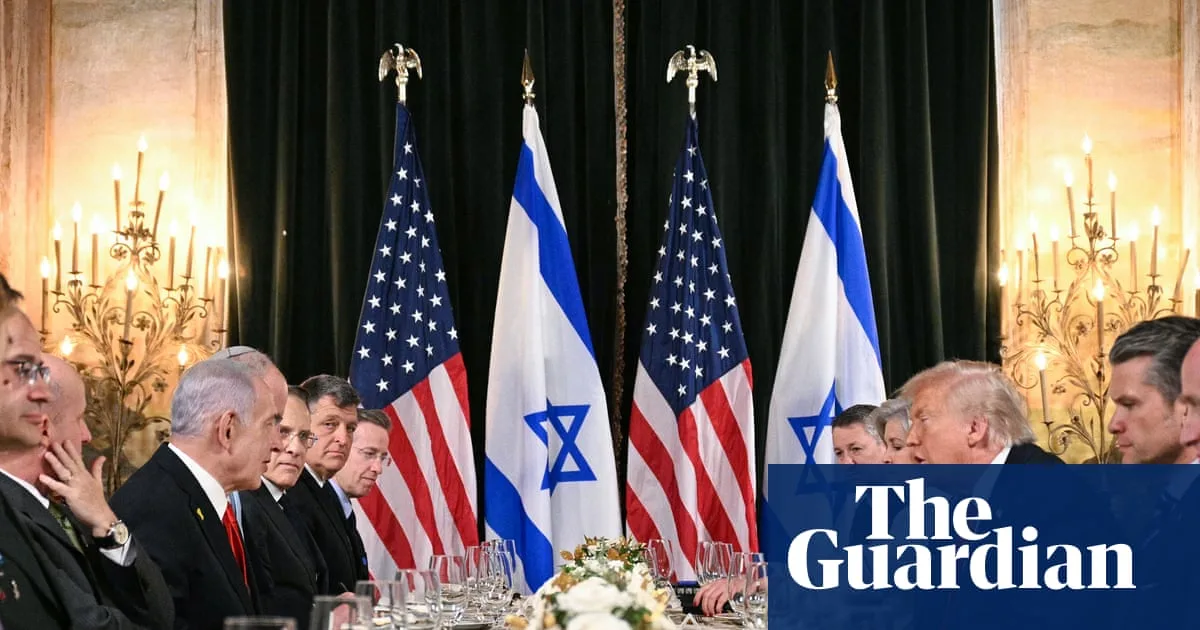
The inauguration of Donald Trump's proposed 'Board of Peace' for Gaza has sparked significant controversy, with observers highlighting a glaring lack of female representation at the event. The ceremony, which took place recently, featured a predominantly male gathering that critics have described as emblematic of broader issues within the administration's approach to international diplomacy.
A Sea of Suits with One Notable Exception
Among the array of delegates surrounding a visibly delighted Donald Trump stood Kosovo's President Vjosa Osmani as the solitary female figure in what has been characterised as a sea of testosterone and questionable tailoring. The visual composition of the event has drawn comparisons to both authoritarian gatherings and satirical portrayals of power, with Trump's demeanour likened to a cross between a despot and a pampered fictional character.
Questionable Participation and Notable Absences
Reports indicate that invitations were extended to sixty nations, with just twenty-one accepting the opportunity to participate. The selective attendance raises questions about international willingness to engage with Trump's latest diplomatic initiative, which some have suggested comes with significant financial commitments for those seeking permanent positions within what critics have termed Trump's 'Goons Show'.
Beyond the gender imbalance, the gathering faced criticism for the absence of Palestinian representatives and Arabic speakers. Had such individuals been present, observers note they might have provided essential linguistic and cultural context to proceedings that instead resembled what one commentator described as a property sales pitch generated by artificial intelligence.
Controversial Charter and International Backlash
Trump reportedly declared during the ceremony that once fully formed, the board would have significant latitude in its actions, stating they could 'do pretty much whatever we want to do' in conjunction with the United Nations. However, the visual representation of this partnership, as evidenced by the board's newly unveiled logo, suggests a relationship more akin to domination than collaboration.
The emblem appears to appropriate United Nations imagery in a manner that has raised questions about copyright infringement while simultaneously repositioning global representation to emphasise American prominence. This approach has met with predictable international resistance, most notably from Belgium whose foreign ministry issued a firm denial of participation after Trump's spokesperson incorrectly announced their involvement.
Administrative Style and Diplomatic Concerns
The Trump administration's approach continues to draw comparisons to Orwellian concepts of governance, with critics noting parallels between the 'Board of Peace' terminology and fictional ministries dedicated to perpetual conflict. This linguistic choice reflects what observers describe as an administration increasingly treating dystopian literature as operational manuals rather than cautionary tales.
Diplomatic relations have been further strained by what some characterise as Trump's unpredictable signature style, which has evolved to include additional flourishes that mirror the erratic patterns of seismic activity. Global leaders have spent years attempting to navigate this unpredictability in hopes of encouraging more conventional diplomatic engagement, with limited success to date.
Broader Implications and Human Costs
The event occurs against a backdrop of what critics describe as a decade-long performance of political theatre reminiscent of the Emperor's New Clothes fable. International observers accustomed to traditional diplomacy find themselves navigating an environment where policy announcements occur through social media platforms and relationships are frequently mediated through threats rather than negotiation.
Perhaps most disturbingly, the political pageantry contrasts sharply with recent immigration enforcement actions that have separated young children from their families. The story of a five-year-old Minnesota boy detained alone in Texas after being used as bait by immigration authorities serves as a sobering reminder of the human consequences that exist beyond diplomatic ceremonies and board inaugurations.
As world leaders continue to navigate their relationships with the Trump administration, the Gaza Board of Peace inauguration stands as a microcosm of broader concerns about representation, process, and priorities in international affairs. The conspicuous absence of women, Palestinians, and Arabic speakers from discussions about Gaza's future raises fundamental questions about whose voices are being heard in peace processes and whose are being systematically excluded.






