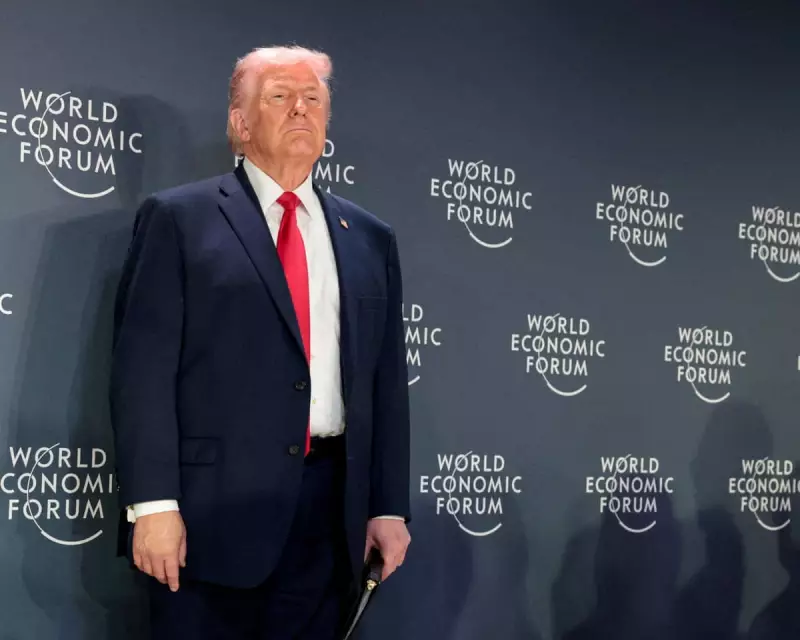
Trump's Davos Performance Intensifies Global Concerns Over US Leadership
The recent appearance of Donald Trump at the World Economic Forum in Davos has sent shockwaves through international diplomatic circles, with allies expressing profound alarm over his conduct and policies. Photographed on 21 January 2026, the 47th US president delivered a speech that many observers have described as norm-shattering and profoundly ignorant, further straining relations with key partners including the United Kingdom and the European Union.
A Presidency Under Scrutiny as Approval Ratings Plummet
Domestically, Trump's presidency faces mounting criticism as approval ratings continue their downward trajectory. Most Americans now view his administration as an aberration, with disapproval ratings reaching unprecedented highs across both domestic and foreign policy issues. Despite Trump's claims of a "landslide" victory in 2024, the reality reveals a much narrower margin of support, with approximately 97 million registered voters either supporting alternative candidates or abstaining from participation altogether.
International Backlash Over Controversial Policies
The Greenland territorial dispute represents just the latest in a series of controversial foreign policy moves that have alarmed international observers. Following similar interventions in Venezuela, Gaza and Iran, Trump's approach to Arctic security has been characterised as neo-imperial overreach, disregarding both treaty obligations and the wishes of local populations. European leaders have responded with something approaching panic, with EU Commission President Ursula von der Leyen warning of "seismic and permanent" shifts in the international order.

The Limitations of European Response
While European nations have toughened their anti-Trump rhetoric considerably since the Davos summit, there are recognised limits to what external actors can achieve. The consensus emerging among policymakers suggests that Europe must strengthen its own security architecture and promote its values more assertively as an independent geopolitical player. However, the fundamental reality remains that this crisis represents a made-in-America problem requiring a made-in-America solution.
Keir Starmer's government in the United Kingdom has experienced repeated disappointments despite maintaining polite diplomacy and personal hospitality towards the Trump administration. Issues ranging from Ukraine policy and big-tech regulation to trade agreements and climate commitments have seen the UK position undermined or betrayed, creating significant diplomatic friction.
The Path Forward: Domestic Pressure and Constitutional Measures
Hope for resolution lies primarily with the American electorate and constitutional processes. The upcoming midterm elections present a potential mechanism for reining in presidential excesses, though many observers note the considerable time remaining until voters next go to the polls. Trump's economic policies, particularly his approach to tariff wars, have contributed to growing affordability concerns that the administration continues to deny.
Most Americans maintain pro-European and pro-NATO sentiments according to recent polling, suggesting underlying support for traditional alliances remains strong despite presidential rhetoric. The violent anti-migrant paramilitary operations in US cities have drawn comparisons to dystopian fiction, while daily encroachments on constitutional norms, separation of powers and civil liberties continue unabated.
A Call for American Action
The international community watches with growing concern as multiple crises converge. The Greenland situation remains unresolved, NATO alliances approach breaking point, and prospects for Ukrainian peace negotiations appear increasingly precarious. Trump's Middle East peace proposal notably ignores Palestinian statehood aspirations, while his disregard for sovereign borders and international law emboldens autocratic regimes worldwide.
For global stability and the preservation of democratic values, the responsibility now falls squarely on American citizens and institutions. Constitutional mechanisms including impeachment proceedings represent potential pathways to curtailing what many describe as despotic tendencies. The historical precedent of challenging monarchical overreach provides both inspiration and caution for those seeking peaceful resolution to the current political crisis.
As the United States approaches the 250th anniversary of its independence from monarchical rule, many observers suggest the nation requires a second revolution – not of arms, but of democratic renewal. The preservation of global order, the protection of allied relationships, and the restoration of America's democratic foundations all depend on decisive action from within the republic itself.