Trump Administration's Evolving Rationale for Iran Military Action
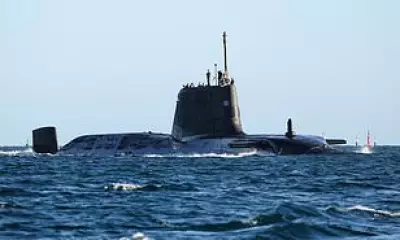
Former President Donald Trump initially asserted that he was deploying warships to the Middle East in response to Iran's harsh suppression of pro-democracy protesters. This claim, which cited figures of up to 35,000 deaths, marked the beginning of a series of shifting justifications for escalating tensions with Tehran.
From Protests to Preemptive Strikes
The administration's narrative quickly transformed, moving from human rights concerns to allegations about Iran's nuclear programme. US special envoy Steve Witkoff contended that Iran had rapidly reconstituted its nuclear capabilities, potentially enabling the development of a weapon within a week. Subsequently, Trump highlighted Iran's ballistic weapons programme, suggesting it could soon threaten US interests directly, despite intelligence estimates contradicting this timeline by a decade.
Israel's Influence and Congressional Backlash
A pivotal moment occurred when Secretary of State Marco Rubio disclosed on Capitol Hill that Israel was planning a preemptive strike, which the US aimed to forestall to avoid higher casualties. This revelation undermined earlier claims of an imminent Iranian threat and sparked outrage among Democrats. Senator Mark Warner criticised the conflation of threats to Israel with those to the US, while Senator Angus King accused Benjamin Netanyahu of lobbying Trump into conflict.

The administration, however, remained defensive. Trump argued that he might have forced Israel's hand to prevent an Iranian attack, emphasising ongoing negotiations with what he termed "lunatics." This stance has left the rationale for war unresolved, echoing past controversies like the Bush administration's false claims about weapons of mass destruction in Iraq.
Unsettled Justifications and Ongoing Scrutiny
Since mobilising a significant military buildup in the Middle East, the Trump administration has cycled through multiple explanations without settling on a coherent reason for the conflict. The lack of consistent evidence and the evolving narratives have raised questions about transparency and decision-making processes in US foreign policy.