Trump's Chagos Islands Policy Reversal Stuns British Government
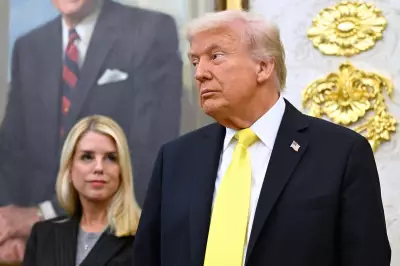
In a dramatic shift that has left Downing Street bewildered, former US President Donald Trump has executed yet another stark policy U-turn regarding the United Kingdom's agreement to transfer sovereignty of the Chagos Islands to Mauritius. This reversal comes amidst a spiralling international dispute concerning Trump's ambitions for the US to annex Greenland, creating a complex diplomatic entanglement.
A History of Support Suddenly Withdrawn
The Independent can reveal that Trump's administration had previously given its formal blessing to Prime Minister Sir Keir Starmer's Chagos archipelago deal. As recently as May of last year, Secretary of State Marco Rubio confirmed US support following a pivotal Oval Office meeting in February. During that encounter, Trump told reporters he was "inclined to go along with your country" regarding the plan, a statement that crucially paved the way for the UK to proceed.
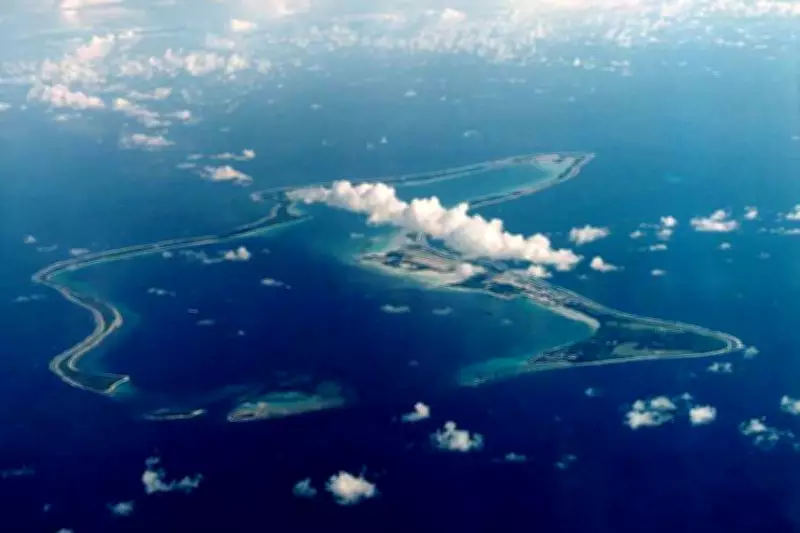
This support persisted despite intense lobbying from figures like Nigel Farage urging a veto, and warnings from then-Foreign Secretary David Lammy that US opposition could scuttle the entire handover. The deal, which involves the strategically vital Diego Garcia airbase, was seen as a cornerstone of Starmer's early foreign policy achievements.

The Greenland Connection and a Spectacular Reversal
However, the political landscape shifted radically earlier this year. Trump publicly denounced the Chagos agreement as "a big mistake" and "an act of great stupidity" in posts on his Truth Social platform. This condemnation arrived just one day after his administration had reiterated its support, highlighting the capricious nature of the policy shift.
Analysis suggests a direct link to the escalating row over Greenland. Trump now reportedly understands that the same principles of international law underpinning Mauritius's claim to the Chagos Islands could also challenge Denmark's sovereignty over Greenland. His administration's bellicose rhetoric and tariff threats aimed at acquiring the Danish territory appear to have triggered a reassessment of the Chagos stance, fearing it might undermine his Greenland ambitions.
Broader Implications for UK Foreign Policy
The fallout extends beyond a single territorial dispute. Sir Keir Starmer had cultivated a reputation as a "Trump whisperer," successfully negotiating a favourable trade deal and securing initial US backing for the Chagos transfer. This latest development signals a severe deterioration in that carefully managed relationship between two ideologically opposed leaders.
Starmer's foreign policy strategy has heavily relied on acting as a bridge between the United States and Europe. If his influence over the mercurial former president continues to wane, Britain's geopolitical position could be significantly weakened. Even the prospect of a reciprocal state visit by King Charles to the US seems insufficient to mollify Trump, who views Starmer's recent defence of Denmark as a personal betrayal.
Compounding the situation, Trump's recent Truth Social post also referenced potential military action against Iran, suggesting Diego Garcia might be needed to "eradicate a potential attack." This injects a new layer of strategic uncertainty into the base's future under the proposed sovereignty transfer.
Domestic and International Repercussions
Back in Westminster, the U-turn adds to the challenges facing the Chagos deal, which already contends with a £30 billion cost to the UK taxpayer, unresolved issues concerning the fate of the Chagossian people, parliamentary delays, and debates over nuclear weapons on the islands. Opponents of the handover have reportedly redoubled their lobbying efforts in Washington, and Trump's volte-face suggests their message may finally be gaining traction.
While Starmer won some domestic praise for standing up to Trump in defence of Denmark, a NATO ally, the former president's retaliatory move on Chagos opens a new front in what is rapidly becoming a hostile transatlantic relationship. The episode underscores the profound instability that characterises dealings with the Trump administration and leaves British diplomats scrambling to salvage a key foreign policy initiative.