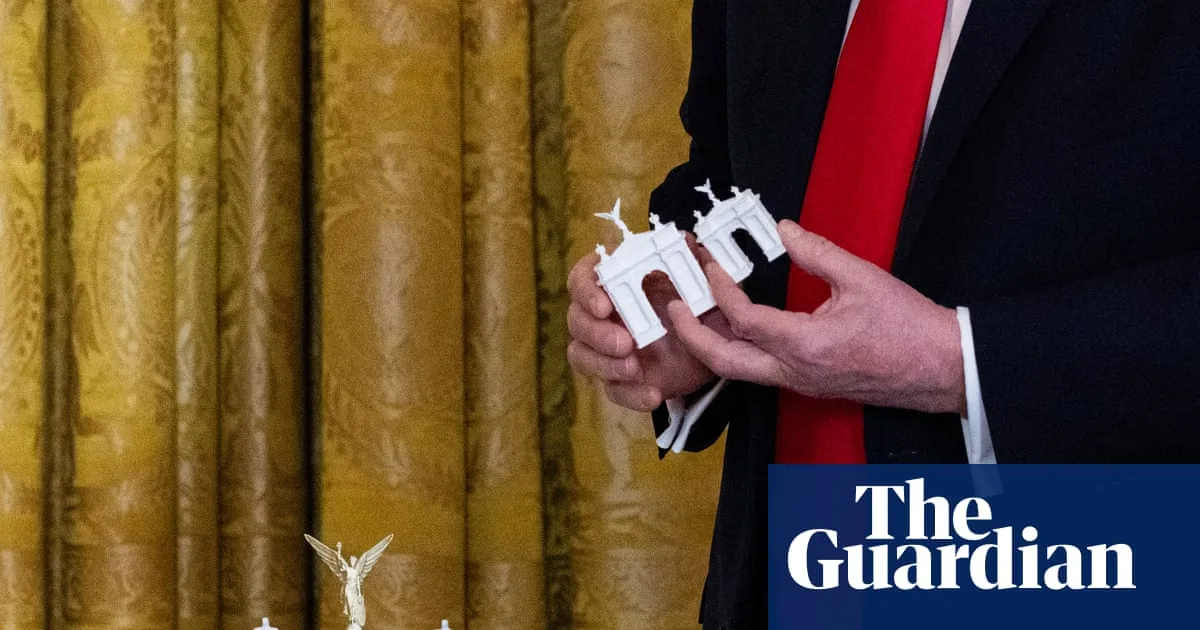
Trump's Monumental Vision: A 250-Foot 'Independence Arch' for the Capital
Former President Donald Trump is reportedly pushing for his proposed "Independence Arch" in Washington, D.C. to reach an unprecedented height of 250 feet, a scale that would dramatically overshadow the city's existing landmarks. According to sources familiar with the matter who spoke anonymously to The Washington Post, Trump has become particularly attached to this grand vision, viewing it as a powerful symbol of national pride timed with America's upcoming 250th anniversary of independence this summer.
From Concept to Colossus: The Evolving Scale of the Project
The arch's proposed dimensions have evolved significantly since initial discussions. Trump previously shared designs with supporters at a dinner last year that included more modest 165-foot and 123-foot versions. However, he has consistently favoured the largest option, arguing that its sheer size would create a lasting impression for visitors to the nation's capital. The 250-foot structure would be more than double the height of the Lincoln Memorial, which stands at roughly 100 feet, and would tower over the White House's approximately 70-foot stature.
Sources indicate Trump frequently uses the phrase "250 for 250" to justify the proposed height, framing it as a direct tribute to the nation's milestone anniversary. The arch is intended for a site near the Potomac River, with Trump stating in December that he hoped construction could begin within two months at Memorial Circle, an area managed by the National Park Service.
Preservation Concerns and Regulatory Hurdles
While Trump champions the project's symbolic value, architects and preservationists have raised significant concerns about its potential impact on Washington D.C.'s historic landscape. Many warn that a structure of such magnitude could dominate the carefully designed memorial corridor and overwhelm the capital's architectural harmony. The White House has yet to provide detailed specifications regarding the arch's final design, exact size, or construction timeline, leaving many questions unanswered.
Funding for the ambitious project is expected to come from leftover private donations originally gathered for Trump's White House ballroom initiative. However, any final approval would require extensive federal review processes, including sign-off from multiple agencies such as the National Park Service, the Commission of Fine Arts, and potentially Congress under laws governing new monuments in the capital.
Parallel Projects: A Pattern of Expansion
This isn't the first time Trump has pursued significantly enlarged construction projects. His White House ballroom, now planned to span 90,000 square feet at a cost of $400 million, represents another example of this trend. Originally designed to accommodate 650 guests, the project has already been expanded once to host 900, making it substantially larger than the main White House residence's approximately 55,000 square feet. This expansion involves demolishing the historic East Wing, a move that has drawn criticism from preservation groups.
Last week, U.S. Judge Richard Leon expressed serious doubts about the legality of the ballroom project during a January 22 hearing concerning a lawsuit brought by the National Trust for Historic Preservation. Leon questioned whether the president could proceed with construction on the East Wing site without Congressional approval and indicated he would rule soon on a request to halt construction. The Trump administration maintains the project is legal, citing traditions of presidential renovations, and argues that construction won't begin until April, making any injunction unnecessary.
A Broader Pattern of Controversial Renovations
The proposed arch and ballroom projects follow other Trump-era White House modifications that have attracted attention and sometimes criticism. These include the paving over of Jackie Kennedy's world-famous Rose Garden, the addition of new gilded accents in the Oval Office, and the reinstatement of Trump's "Diet Coke" button—a feature removed during President Joe Biden's term that was restored when Trump returned to office. Together, these initiatives reflect a consistent approach to reshaping presidential spaces and, potentially, the national capital's landscape according to a particular vision of grandeur and legacy.






