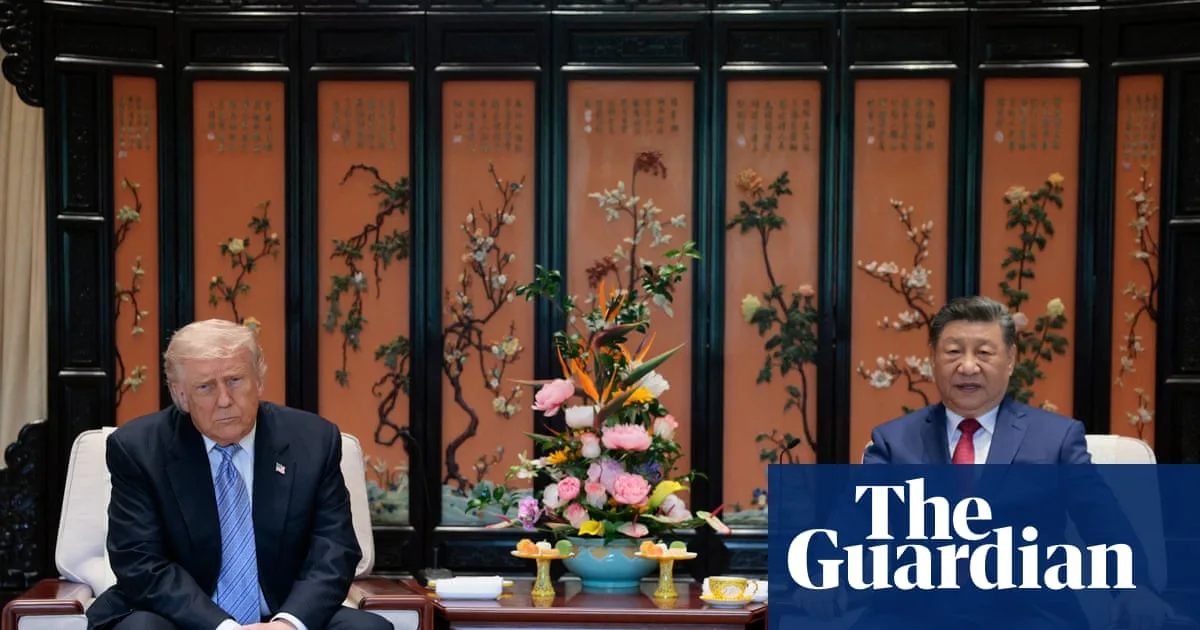
Trump and Xi Hold 'Excellent' Call on Iran, Taiwan and Soybean Trade Boost
Trump-Xi Phone Call Covers Iran, Taiwan and Soybean Purchases

President Donald Trump engaged in what he described as an "excellent" telephone conversation with Chinese President Xi Jinping on Wednesday, covering a broad spectrum of critical geopolitical and trade matters. The discussion, which marked their first direct communication since late November, addressed the volatile situation in Iran, ongoing tensions surrounding Taiwan, and significant economic gestures including a potential boost in soybean purchases.

Key Diplomatic and Trade Discussions

In a notable goodwill gesture ahead of Trump's anticipated state visit to Beijing in April, the American leader revealed that President Xi would consider increasing China's soybean purchases from the United States to 20 million tons for the current season. This represents a substantial rise from the previous figure of 12 million tons, prompting a sharp rally in soybean futures markets as traders reacted to the news.

Areas of Tension and Cooperation

The conversation occurred just hours after President Xi held a virtual meeting with Russian President Vladimir Putin, underscoring the complex diplomatic landscape. Both Trump and Xi publicly affirmed their personal commitment to maintaining strong bilateral relations following their discussion, with Trump characterising the call as "all very positive" and emphasising that his relationship with Xi remains "extremely good."

Wide Pickt banner — collaborative shopping lists app for Telegram, phone mockup with grocery list

An official Chinese government account noted that President Xi had stated, "I attach great importance to Sino-U.S. relations," reflecting the mutual recognition of the relationship's significance despite ongoing disagreements.

Taiwan Arms Sales Remain Contentious

One particularly sensitive topic addressed was Taiwan policy, which continues to be a major point of friction between Washington and Beijing. The United States announced its largest-ever arms sales package to Taiwan in December, valued at $11.1 billion, with Taipei anticipating further such transactions. China maintains its position that Taiwan is an inalienable part of its territory, a stance that Taipei firmly rejects.

While Washington maintains formal diplomatic relations with Beijing, it continues unofficial ties with Taiwan and serves as the island's primary arms supplier. Beijing's official summary of the meeting cautioned that "The United States must carefully handle arms sales to Taiwan," highlighting the delicate balance both nations must navigate.

Economic Flashpoints and Gestures

Beyond the soybean discussion, the leaders addressed several other economic matters including airplane engines, oil and gas supplies, and broader trade concerns. Trump has consistently employed tariffs on imports as a central component of his strategy to revitalise domestic manufacturing employment, creating ongoing economic friction between the world's largest consumer economy and its biggest manufacturing powerhouse.

U.S. Vice President JD Vance simultaneously unveiled plans for a preferential trade bloc among allies focused on critical minerals, representing a strategic effort to reduce Beijing's leverage in this crucial sector. Despite these competitive measures, both sides appear committed to identifying areas of agreement ahead of Trump's scheduled April visit to China.

Iran and Regional Security Concerns

The discussion also encompassed regional security matters, particularly the tense situation involving Iran following that country's violent suppression of nationwide protests last month. Trump is reportedly considering military options against Tehran, adding urgency to diplomatic exchanges between the major powers.

Additionally, the impending expiration of the last nuclear treaty between Russia and the United States raises concerns about a potential new arms race, with China's growing nuclear arsenal positioning it as a significant player in future arms control negotiations. The Kremlin confirmed that arms control had been a topic in Xi's conversation with Putin, though the White House declined to comment on whether Trump and Xi addressed the subject directly.

Pickt after-article banner — collaborative shopping lists app with family illustration

Agricultural Diplomacy and Domestic Politics

The soybean discussion carries particular domestic political significance for Trump, as struggling American farmers represent a crucial constituency. Overseas sales of U.S. soybeans have plummeted to their lowest level in fourteen years due to ongoing trade tensions with China, making any purchase increase particularly welcome news for agricultural communities.

Benchmark Chicago Board of Trade soybean futures surged more than three percent to reach a two-month high following Trump's announcement about the potential purchase increase. China's commerce ministry has not yet responded to requests for comment regarding the specific soybean purchase figures mentioned by the American president.

Venezuelan Oil and Energy Considerations

The conversation also touched upon energy matters, including China's longstanding role as Venezuela's primary oil purchaser. These sales have historically helped Caracas repay substantial loans to Beijing through debt-for-oil arrangements. The Trump administration's recent removal of President Nicolas Maduro has prompted suggestions that China may need to purchase Venezuelan oil according to American terms moving forward.

Analysts observe that despite Trump's previous hawkish policy positions toward China across various international contexts, his administration has recently eased certain restrictions in key areas including tariffs, advanced computer chips, and drone technology. This suggests a pragmatic approach to managing the complex bilateral relationship.

Bonnie Glaser, head of the Indo-Pacific program at the German Marshall Fund of the United States, noted that "Both sides are signaling that they want to preserve stability in the US-China relationship," reflecting the delicate balancing act both leaders must maintain amid competing interests and global uncertainties.