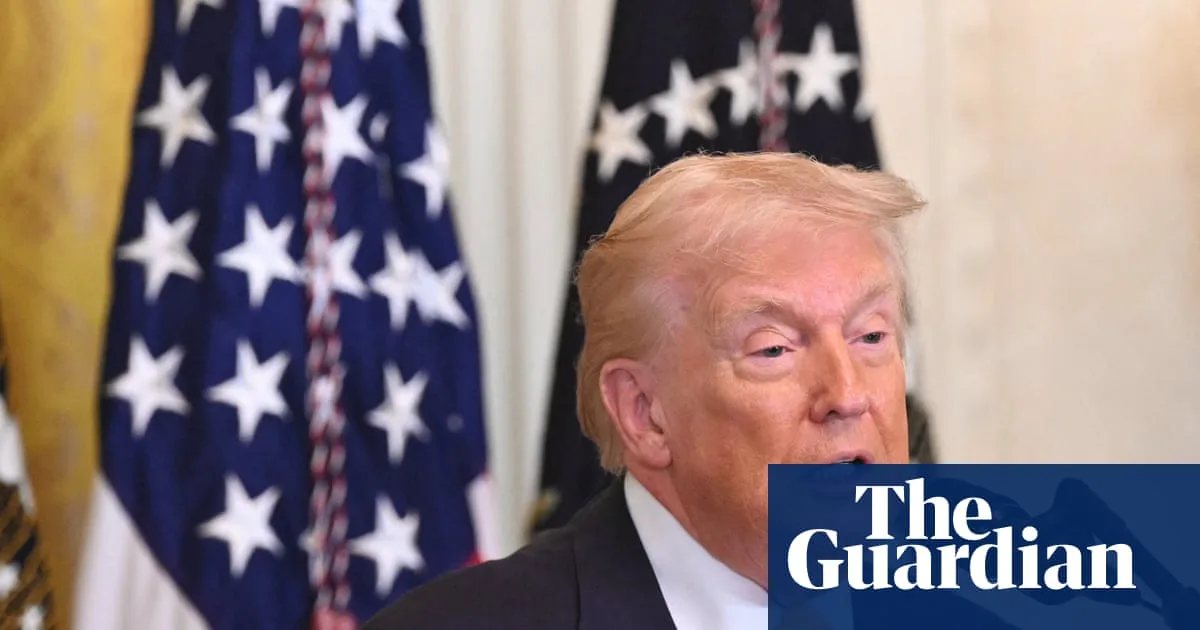
In a dramatic reversal of position, US President Donald Trump has launched a public attack on the UK's Chagos Islands sovereignty agreement with Mauritius, branding the deal a "big mistake" due to security concerns surrounding the vital Diego Garcia military base.
Social Media Intervention Contradicts Official US Support
The American president's intervention came through his Truth Social platform, where he directly addressed Prime Minister Sir Keir Starmer with the urgent warning: "DO NOT GIVE AWAY DIEGO GARCIA!" This public statement directly contradicts the position articulated by the US State Department just twenty-four hours earlier, which had formally expressed support for the agreement that would return the Chagos archipelago to Mauritius.
Security Concerns Over 'Tenuous' Base Arrangement
President Trump specifically highlighted what he described as the "tenuous" and "no good" nature of the proposed arrangement, under which the United Kingdom would lease back the Diego Garcia base from Mauritius following the sovereignty transfer. The US leader expressed significant concern that this military installation, which serves as a crucial joint UK-US facility, could prove vital for potential operations against Iran.
"Claiming the base could be vital for a US strike against Iran, and warning that Tehran could attack the UK, Mr Trump urged Sir Keir to reconsider the entire agreement," the statement continued, emphasising the president's view that the security implications extend beyond regional concerns to potentially endanger British interests directly.
Political Context and Conservative Opposition
The presidential intervention follows closely on the heels of diplomatic efforts by former Conservative leader Sir Iain Duncan Smith, who recently returned from Washington where he discussed the Chagos plans with members of the Trump administration. Sir Iain has been a vocal critic of the sovereignty agreement, and his discussions in the American capital appear to have influenced the president's latest position.
Tory leader Kemi Badenoch publicly endorsed these efforts, retweeting reports of Sir Iain's Washington trip with the supportive comment "strong team," indicating growing Conservative opposition to the deal within British political circles.
A Pattern of Contradictory Statements
This latest statement represents yet another shift in President Trump's public position regarding the Chagos agreement. Earlier in February, the American leader had offered support for the proposals, describing Sir Keir's deal as "the best he could make." That endorsement itself followed criticism from just one week prior, when Mr Trump had labelled the agreement "an act of great stupidity" amid unrelated tensions surrounding his administration's attempts to annex Greenland.
Domestic Political Reactions
Shadow foreign secretary Dame Priti Patel seized upon the presidential outburst as evidence of diplomatic failure, declaring it "an utter humiliation" for the Prime Minister. She called for immediate reversal of the agreement, stating: "It's time Starmer finally saw sense, U-turned and scrapped this appalling deal altogether."
Reform UK leader Nigel Farage echoed these sentiments, asserting that President Trump was "right" in his assessment and urging the Prime Minister to cancel the agreement to avoid "alienating our most important ally."
Financial and Strategic Implications
The controversial agreement would see the United Kingdom pay Mauritius approximately £35 billion over the coming century to maintain access to the Diego Garcia base, averaging around £350 million annually. The British government maintains that this arrangement represents the only viable method to secure the long-term future of the military installation, which has faced increasing legal challenges through international courts.
A spokesperson for the Foreign, Commonwealth and Development Office defended the agreement, stating: "The deal to secure the joint UK-US military base on Diego Garcia is crucial to the security of the UK and our key allies, and to keeping the British people safe. The agreement we have reached is the only way to guarantee the long-term future of this vital military base."
The diplomatic episode leaves Sir Keir Starmer navigating complex international waters, balancing treaty obligations with Mauritius against security partnerships with the United States, all while managing domestic political pressure from opposition parties capitalising on the presidential intervention.




