Dubai Airport Shut After Drone Strike as Trump Issues NATO Ultimatum
Dubai International Airport has temporarily suspended all flight operations following a drone attack that ignited a fire near the facility early this morning. Authorities confirmed the blaze has been contained, with no injuries reported, but the incident underscores the escalating volatility in the Gulf region amid the ongoing Iran conflict.
Trump's Stark Warning to NATO Allies
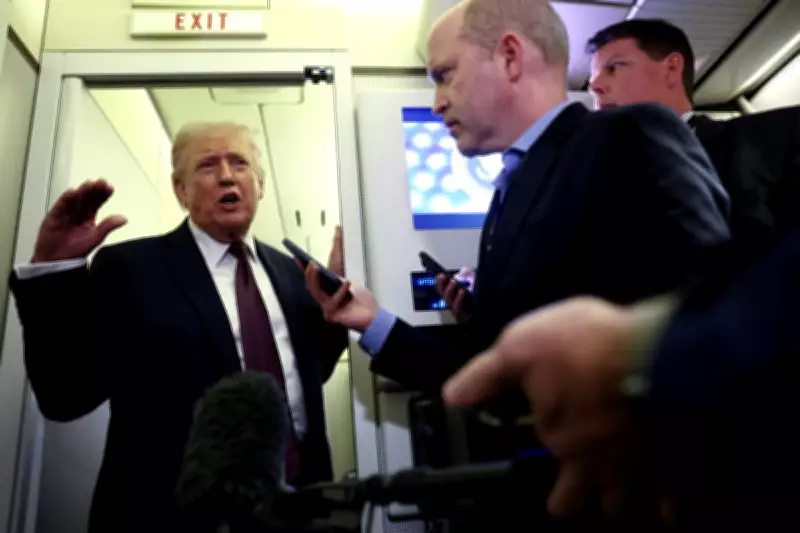
In a recent interview with the Financial Times, former US President Donald Trump issued a blunt warning to NATO, stating the alliance faces a "very bad future" if member nations refuse to assist the United States in securing the Strait of Hormuz. Trump emphasised that it is only appropriate for countries benefiting from oil shipments through this critical waterway to contribute to its protection.
His calls for allied support have so far been met with reluctance, highlighting divisions within the international community. The chief executives of major energy firms, including Exxon, Chevron, and Conocophillips, have reportedly warned the White House that continued disruption through the strait could severely destabilise global energy markets, according to the Wall Street Journal.
International Responses and Diplomatic Strains
Japan's Prime Minister Sanae Takaichi has explicitly stated that Tokyo has no plans to dispatch naval vessels for escort missions in the Middle East, despite Trump's public appeal. Takaichi noted that Japan is examining independent actions within its legal framework, constrained by its war-renouncing constitution which limits overseas military operations.
Similarly, Australia's Federal Infrastructure Minister Catherine King announced that Australia will not send warships to the Strait of Hormuz. King acknowledged the broader impacts of the conflict on the Asia-Pacific region but assured that national fuel supplies remain stable for now.
Broader Regional Security Concerns
The drone attack on Dubai airport is part of a wider pattern of assaults, with Gulf Arab states experiencing over 2,000 missile and drone strikes since the outbreak of the US-Israeli war on Iran in late February. Targets have included critical infrastructure such as oil facilities, ports, and airports, raising alarms about regional security and travel safety.
In response to the mounting crisis, the International Energy Agency is set to release over 400 million barrels of oil from emergency reserves to counteract surging crude prices. Meanwhile, US Energy Secretary Chris Wright has predicted the conflict could end within weeks, potentially leading to a rebound in oil supplies and lower energy costs.
Global Implications and Future Outlook
The situation continues to evolve, with protests against Iran occurring in London and analyses highlighting the role of artificial intelligence in modern warfare. As tensions persist, the international community faces mounting pressure to address the humanitarian and economic fallout, while navigating complex diplomatic and military challenges in the Middle East.