Trump vs Bad Bunny: Inside the Super Bowl Halftime Feud
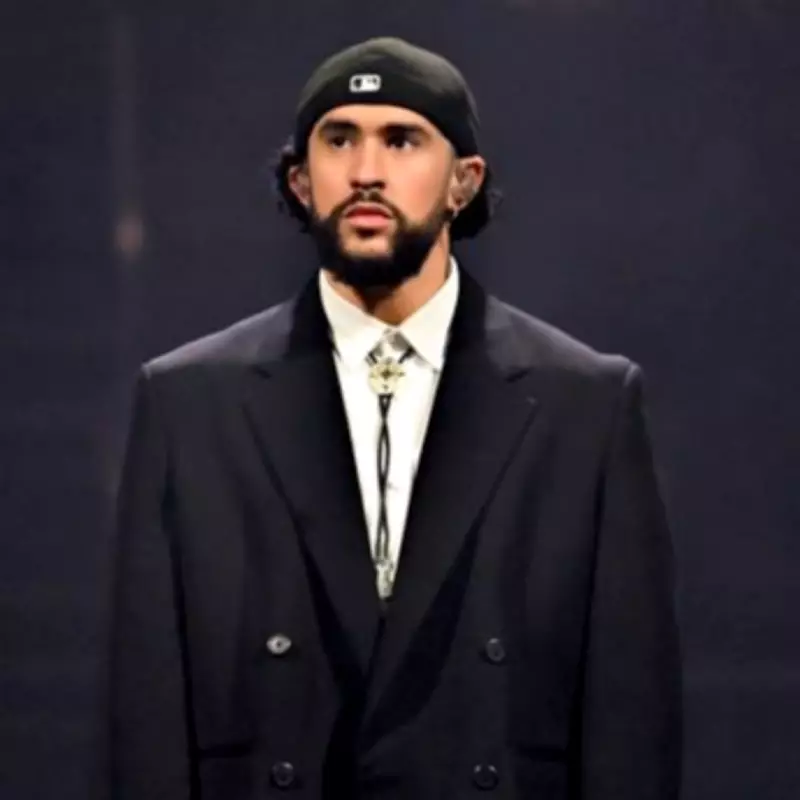
President Donald Trump has declared he will not watch this year's Super Bowl, the premier event in American football, due to the halftime performance by Puerto Rican artist Bad Bunny. The president claimed he has "never heard" of the multi-Grammy award-winning musician, despite Bad Bunny's global fame, film roles in major movies like Bullet Train and Happy Gilmore 2, and appearances on WWE, where Trump has also featured. Trump labelled the decision to have Bad Bunny perform as "ridiculous," setting the stage for a public clash.
Immigration Policies Fuel the Conflict
The root of this feud lies in immigration policies. The Trump administration has strengthened the United States Immigration and Customs Enforcement (ICE), enabling widespread raids and rolling back immigrant protections. This crackdown has faced severe criticism domestically and internationally, sparking protests in the US, particularly after incidents like the shootings of mother Renee Good and nurse Alex Pretti by ICE agents in Minneapolis.
Bad Bunny, hailing from Puerto Rico—a US territory—responded by excluding the United States from his latest world tour. In a September interview with I-D, he explained, "There were many reasons why I didn't show up in the U.S., and none of them were out of hate. But there was the issue of—like, f**king ICE could be outside [my concert]. And it's something that we were talking about and very concerned about." At the Grammys, he further criticised ICE, stating, "Before I thank God, I just want to say: ICE out," and affirming that Puerto Ricans are "not savages, not animals, not aliens - we are humans and we are Americans."

Bad Bunny's Political Statements
Bad Bunny has not shied away from targeting Trump directly. In his music video for NUEVAYoL, released on 4 July, a Puerto Rican flag hangs over the Statue of Liberty as a voice resembling Trump apologises to immigrants, acknowledging their vital role in America. This is part of a broader pattern: Bad Bunny has criticised Trump's response to hurricanes in Puerto Rico, worn a T-shirt questioning Trump's leadership, and advocated for Puerto Rican sovereignty.
For the Super Bowl halftime show, Bad Bunny has promised a focus on "unity," with an official trailer showcasing diverse performers. Speculation abounds that he may use the platform to make another political statement, following in the footsteps of past performers like Kendrick Lamar, whose 2025 halftime show featured a divided American flag to highlight national divisions.
Trump Allies Weigh In
Trump's MAGA allies have joined the criticism. Corey Lewandowski, a former campaign manager now advising the Department of Homeland Security, suggested on a conservative podcast that ICE agents could be present at the Super Bowl, stating, "There is nowhere you can provide safe haven to people who are in this country illegally. Not the Super Bowl and nowhere else." Homeland Security Secretary Kristi Noem added that the NFL was "so weak" for selecting Bad Bunny and assured heightened security, saying, "I have the responsibility to make sure everybody who goes to the Super Bowl has the opportunity to enjoy it and to leave safely. That's what America’s about. We'll be all over that place."
Trump's Boycott and Alternative Shows
After Bad Bunny's announcement in September, Trump called the choice "crazy," reiterating, "I don't know who he is. I don't know why they're doing it. It's, like, crazy. And then they blame it on some promoter they hired to pick up entertainment. I think it's absolutely ridiculous." His press secretary, Karoline Leavitt, confirmed Trump would skip the halftime show, noting, "I think the president would much prefer a Kid Rock performance over Bad Bunny." In response, Turning Point USA, founded by Charlie Kirk, has organised an alternative halftime show featuring Kid Rock, a known Trump supporter, highlighting the deepening cultural divide.
This feud underscores the intersection of entertainment and politics, with Bad Bunny's performance poised to be more than just a musical act—it's a statement on immigration and unity in a polarized America.