Trump Revises US-Iran Conflict Timeline as Oil Markets React to Military Strikes
President Donald Trump has issued another update regarding the anticipated duration of the US-Iran war, as global oil markets experience significant turbulence. This development comes amid a complete halt to oil tanker traffic through the critical Strait of Hormuz and dramatic increases in crude oil prices worldwide.
Gas Prices Surge as Conflict Intensifies
According to data from the American Automobile Association, the average price for a gallon of regular gasoline has risen sharply to $3.72. This represents a substantial increase from just $2.93 recorded one month earlier, reflecting the market's response to escalating tensions in the Middle East.
During an interview with PBS News on Monday, President Trump addressed concerns about rising fuel costs, characterizing them as 'a very small price to pay' for national security objectives. He predicted that 'the oil prices will drop like a rock as soon as it's over,' while offering his assessment that the conflict 'won't be long.'
Evolving Timeline Estimates and Strategic Calculations
The President's latest comments follow previous statements where he initially suggested the war could last up to four weeks in a Daily Mail interview, later revising this estimate to potentially five weeks. Since those early predictions, Trump has adopted a more guarded approach to discussing specific timelines, emphasizing that the conflict will continue for as long as 'necessary' without providing detailed explanations.
This strategic ambiguity appears designed to prevent revealing military plans to media outlets ahead of potential actions against Iran. The President's careful messaging reflects both operational security concerns and awareness of how his statements impact global markets.
Oil Market Turbulence Following Military Actions
Brent crude oil, the international benchmark for petroleum prices, has surged more than 40 percent since February 28th. This dramatic increase followed coordinated US and Israeli strikes against Iran that resulted in the death of Ayatollah Ali Khamenei, the country's supreme leader.
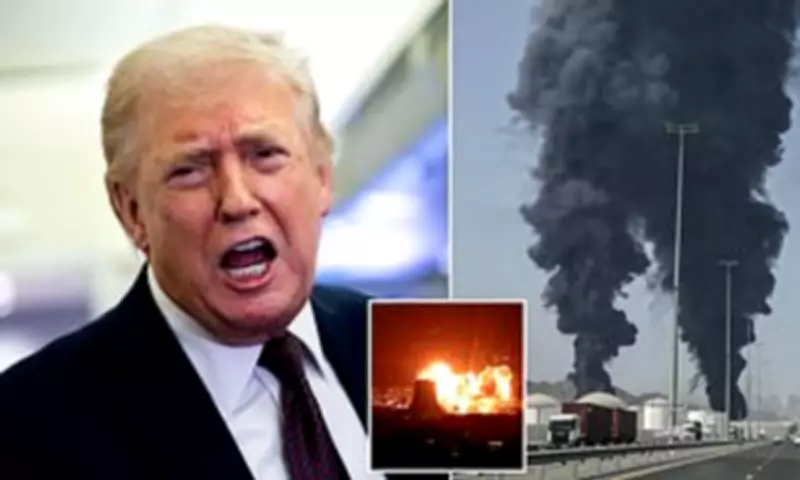
Energy analysts and industry executives have warned that both gasoline and crude oil prices could climb even higher in coming weeks. These predictions gained urgency after President Trump ordered targeted strikes against Kharg Island, Iran's primary energy export facility responsible for approximately 90 percent of the nation's oil shipments.
Strategic Strikes Against Critical Infrastructure
The President explained his approach to targeting Iran's energy infrastructure during the PBS interview, noting particular concern about the global economic impact of military actions. 'Kharg Island is out of commission except for the pipes, which I left,' Trump revealed. 'I didn't want to hit the pipes because, you know, it's years of work to put them together.'
American forces conducted precision strikes against military targets on the strategic island outpost last Friday. Despite sparing the critical pipeline infrastructure, Trump emphasized his willingness to authorize further action if necessary, stating plainly: 'I told them openly, I'll knock the hell out of it.'
Kharg Island represents a vital component of Iran's oil export industry, featuring deepwater ports capable of accommodating heavy oil tankers and employing several thousand workers who maintain this critical energy infrastructure.
Human Cost and Regional Impact
The conflict has resulted in significant casualties according to various sources:
- Iran's United Nations ambassador reports over 1,300 Iranian deaths from US and Israeli attacks
- Israeli officials state 12 people have been killed in Israel by Iranian strikes
- The United States military confirms 13 American service members have died in the conflict
As the situation continues to evolve, global markets remain highly sensitive to both military developments and presidential statements regarding the conflict's potential duration and scope.