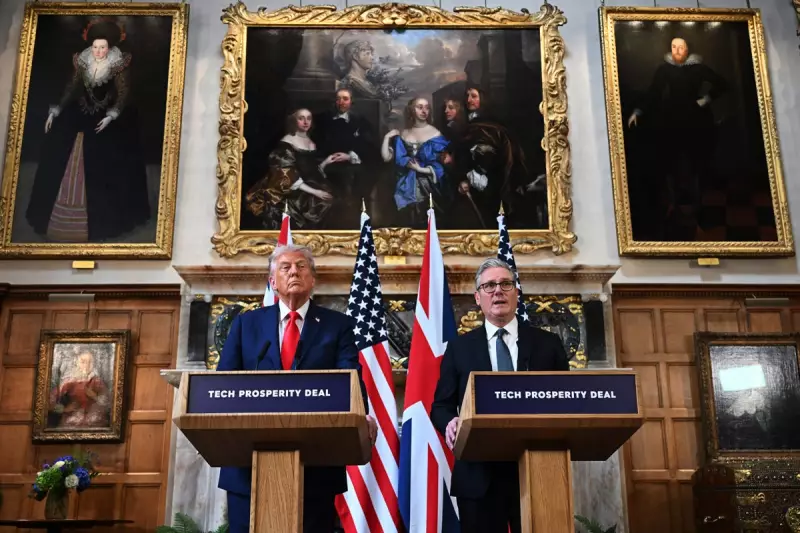
In a significant development, the UK government has acknowledged that Donald Trump possesses the power to obstruct Labour's controversial deal to transfer the Chagos Islands to Mauritius, potentially causing its collapse. This admission comes as legislation for the agreement, slated for debate in the House of Lords, faces delays amid warnings it could violate a longstanding 1966 treaty with the United States concerning UK sovereignty.
Trump's Reversal Puts Deal in Jeopardy
Donald Trump, who had previously expressed support for the arrangement, has dramatically reversed his stance, denouncing the deal as "an act of great stupidity" on his Truth Social platform. This shift in position has introduced a major obstacle, as ministers now concede that ratifying the Chagos agreement is impossible without US cooperation to overhaul the existing treaty. The UK government has criticised peers for what it terms "irresponsible and reckless behaviour" in delaying the legislation, which is designed to secure the future of the critical UK-US Diego Garcia military base.
Implications for UK Sovereignty and Diplomacy
The situation underscores the delicate balance of international diplomacy and sovereignty issues. The 1966 treaty, which has governed UK-US relations regarding the Chagos Islands for six decades, now stands as a formidable barrier. Without Trump's approval to amend this treaty, Labour's deal risks falling apart, highlighting the complex interplay between domestic policymaking and foreign relations. The delay in parliamentary proceedings reflects growing concerns over potential breaches and the strategic importance of maintaining the Diego Garcia base.

Political Fallout and Future Prospects
This development has sparked political tensions, with the UK government accusing House of Lords members of jeopardising national interests. The controversy surrounding the Chagos Islands deal continues to evolve, as stakeholders await further moves from the US administration. The outcome could have lasting effects on UK-Mauritius relations and the broader geopolitical landscape, making this a pivotal moment in ongoing negotiations.