Trump and Starmer Clash Over Iran Conflict: 5 Major UK-US Diplomatic Rifts
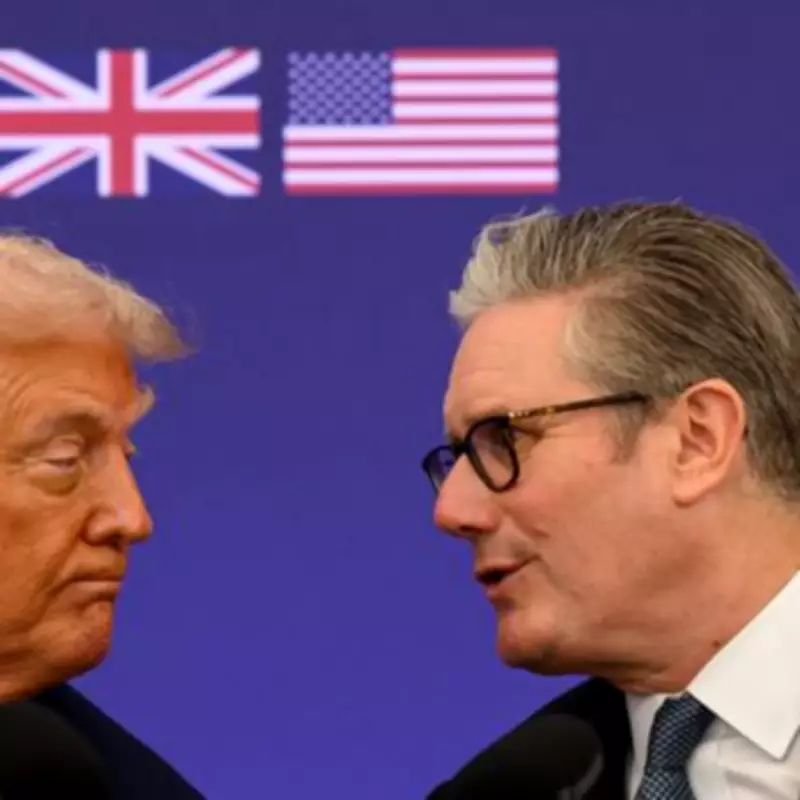
The special relationship between the United Kingdom and the United States is facing unprecedented strain as President Donald Trump and Prime Minister Keir Starmer clash over the ongoing conflict in Iran. Recent actions by Trump, including apocalyptic threats and repeated insults directed at Starmer, have sparked deep concerns about long-term damage to bilateral ties.
The US President has mocked the British PM, accusing him of being "no Winston Churchill" over his reluctance to allow US attacks on Iran from British soil. Trump has also ridiculed UK aircraft carriers as "toys" and criticized NATO for doing "absolutely nothing" to assist the US in this conflict.
1. Divergent Views on Military Engagement
The fundamental difference between the UK and US became apparent immediately when Donald Trump initiated joint military action with Israel against Iran. Foreign Secretary Yvette Cooper emphasized that aiding the US was not the "right thing to do" for British national interests.

Cooper stated: "We took a different view on this conflict in Iran. We did not get drawn into offensive operations. We did not think that was the right thing to do according to our interests and our values." Despite maintaining diplomatic cooperation, including recent discussions with US Secretary of State Marco Rubio, the UK deliberately avoided direct military involvement from the outset.
2. Lebanon's Inclusion in Ceasefire Agreement
Significant confusion has emerged regarding Lebanon's status in the ceasefire deal announced on Tuesday. The UK has been clear in demanding Lebanon's inclusion in any Middle East ceasefire agreement, while the US position appears contradictory.
US Vice President JD Vance claimed there had been a "misunderstanding" and that Lebanon was never included in the ceasefire terms. Meanwhile, Israel continued its bombardment of Lebanon on Wednesday, resulting in more than 250 casualties. Prime Minister Starmer and other world leaders have called for an immediate end to the assault on Lebanon and for the US-Iran ceasefire to become permanent.
3. Dispute Over Strait of Hormuz Tolls
A major point of contention involves potential tolls on the Strait of Hormuz, a vital shipping lane that transports approximately one-fifth of the world's oil. Tehran effectively blockaded the strait following the initial US-Israel military action, prompting a two-week ceasefire agreement aimed at reopening the passage.
Iranian officials have suggested imposing fees of roughly $2 million per ship or $1 per barrel of oil via cryptocurrency. President Trump has expressed interest in a "joint venture" with Iran to establish tolls, calling it "a beautiful thing." However, the White House later clarified that the ceasefire requires reopening the strait "without limitation, including tolls."
UK Foreign Secretary Cooper has been unequivocal: "This is an international transit route through the high seas so it cannot be allowed to apply tolls and restrictions on that route as it reopens."
4. Access to British Military Bases
Keir Starmer initially refused to allow the US access to British military bases for offensive strikes against Iran, a decision that infuriated Donald Trump. The Prime Minister later permitted American bombers to use RAF Fairford in Gloucestershire and Diego Garcia in the Indian Ocean for defensive strikes against Iran's missile capabilities.
This concession came only after Iran launched indiscriminate retaliatory strikes against UK allies in the Gulf. Starmer has consistently maintained that "this is not our war" and has questioned both the legal basis of US strikes and whether America had a proper strategic plan. When Trump threatened to attack civilian infrastructure in Iran, Number 10 signaled that the UK would not permit US use of its bases for such operations.
5. Warship Deployment to the Strait of Hormuz
The UK has resisted President Trump's calls for allies to deploy warships to the Strait of Hormuz. In response, Trump has escalated his rhetoric, suggesting that the UK should "take" the strait to solve the oil crisis since the US would no longer provide assistance.

In a particularly incendiary Truth Social post, Trump wrote: "All of those countries that can't get jet fuel because of the Strait of Hormuz, like the United Kingdom, which refused to get involved in the decapitation of Iran, I have a suggestion for you: Number 1, buy from the U.S., we have plenty, and Number 2, build up some delayed courage, go to the Strait, and just TAKE IT."
These five areas of disagreement highlight the growing diplomatic rift between the UK and US, testing the resilience of their historic special relationship during a critical international crisis.