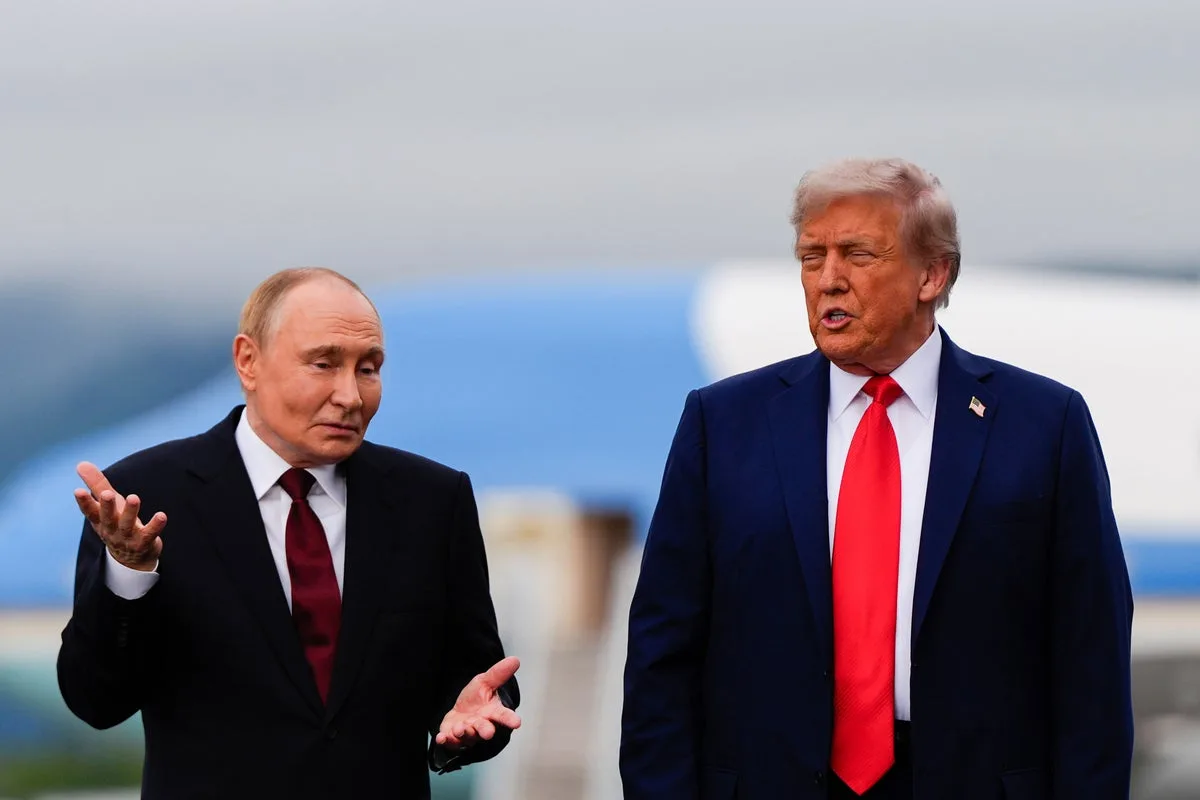
Trump Rejects Putin's Uranium Deal to End Iran War, Contradicts Envoy
Trump Rejects Putin Uranium Deal for Iran War End

Trump Reportedly Declines Putin's Uranium Proposal Aimed at Ending Iran Conflict

President Donald Trump has allegedly rejected an offer from Russian President Vladimir Putin to transfer Iran's enriched uranium to Russia. This proposal was presented as a key component of a broader agreement designed to terminate the ongoing military engagements by the United States and Israel against Tehran.

Contradictory Statements Emerge Amid Diplomatic Discussions

The offer was reportedly made during a telephone conversation between the two leaders earlier this week, according to sources familiar with the discussions. However, Trump is said to have turned down the proposition, a decision that highlights the complex diplomatic landscape surrounding the Iran conflict.

This rejection follows Trump's recent admission that Putin might be providing assistance to Iran in its military efforts against the U.S. This statement appears to contradict earlier assertions from his Middle East envoy, Steve Witkoff, who had claimed that Moscow denied sharing intelligence with Iran following a conversation with Russian officials.

Trump's Candid Remarks on Potential Russian Aid to Iran

In a Friday interview with Fox News' Brian Kilmeade, Trump acknowledged the possibility of Russian support for Iran. "I think he might be helping them a little bit, yeah, I guess, and he probably thinks we're helping Ukraine, right?" Trump stated. "Yeah, we're helping them also. So he [Putin] says that, and China would say the same thing, you know. It's like, hey, they do it and we do it, in all fairness. They do it and we do it."

Witkoff, alongside Jared Kushner, Trump's son-in-law, held a separate phone call with Yuri Ushakov, Putin's foreign policy advisor, on Monday morning. During this discussion, Ushakov reportedly reiterated that Russia is not engaging in intelligence sharing with Iran, as conveyed by Witkoff.

White House Concerns and Economic Implications

White House press secretary Karoline Leavitt informed reporters earlier in the week that both Trump and Witkoff had communicated to Russian officials that any intelligence sharing with Iran would be viewed unfavorably and was hoped not to be occurring.

Meanwhile, reports indicate that Russia could gain over $10 billion in additional oil and gas revenues to support its war efforts in Ukraine, following Trump's decision to lift restrictions on countries purchasing Russian crude stranded at sea. This move, coupled with the closure of the Strait of Hormuz, a critical shipping route, has driven oil prices above $120 per barrel, further complicating global economic dynamics.