Trump Rejects Rubio's Claim That Israel Led US into Iran Strikes
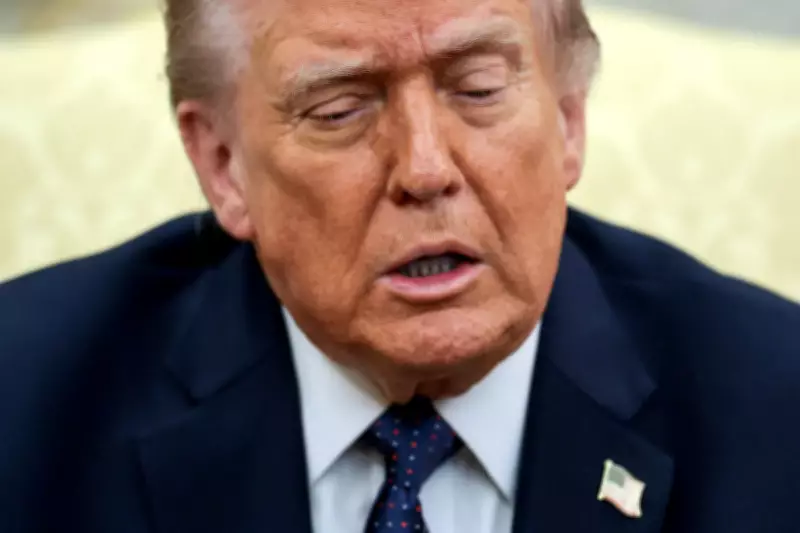
US President Donald Trump has firmly pushed back against assertions made by Senator Marco Rubio that Israel led the United States into launching strikes against Iran. Speaking at the White House on Tuesday, Trump addressed the controversy directly, emphasising American autonomy in the decision-making process.
Trump's Assertion of US Independence
During a press conference following a meeting with German Chancellor Friedrich Merz, Trump refuted Rubio's suggestion, stating, "If anything, I might have forced Israel's hand." He elaborated that the US was engaged in negotiations with Iran, which he described as "lunatics," and believed an attack was imminent.
Trump explained his rationale: "We were having negotiations with these lunatics, and it was my opinion that they were going to attack first. They were going to attack if we didn't do it. I felt strongly about that. We have great negotiators, great people, people who do this very successfully. And based on the way that the negotiations was going, I think that they were going to attack first. And I didn't want that to happen. So if anything, I might have forced Israel's hand. But Israel was ready and we were ready."

Assessment of US Military Operation
Trump also provided a detailed update on the ongoing US military operation against Iran, highlighting significant successes. He claimed that Iranian military capabilities have been severely degraded, stating, "They have no navy, it's been knocked out. They have no air force, it's been knocked out. They have no air detection, it's been knocked out. Their radar's been knocked out. Just about everything's been knocked out."
This assessment underscores the scale of the strikes and their impact on Iran's defence infrastructure. Trump added that the US military is "doing very well" in the conflict, reinforcing his confidence in the operation's progress.
Context and Implications
The remarks come amid heightened tensions in the Middle East, with the US and Iran engaged in direct military confrontation. Trump's comments aim to clarify the US position and counter narratives suggesting foreign influence over American foreign policy. His emphasis on pre-emptive action based on perceived threats reflects a broader strategy of assertive defence.
As the situation develops, international observers are closely monitoring the fallout, including potential diplomatic repercussions and the role of allies like Israel. Trump's statements reinforce a narrative of US leadership and decisiveness in the face of regional instability.